Imagine pulling up to a toll booth on the world’s most critical maritime highway. That’s essentially what Iran’s parliament is drafting into law right now. After weeks of a "de facto" blockade following US-Israeli strikes on Iranian soil in late February 2026, Tehran is moving to formalize what was once an informal shakedown. They’re calling it a transit fee. The rest of the world calls it a violation of international law.
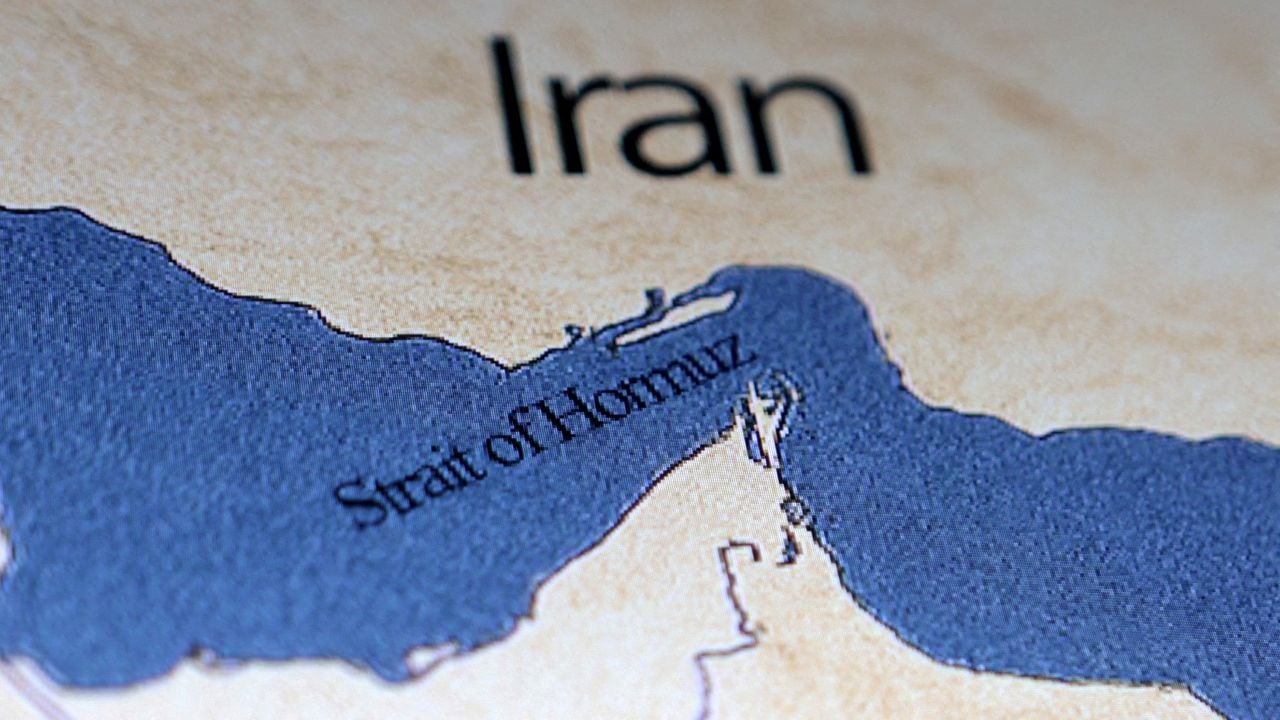
If you’re wondering why this matters to you, look at the gas pump. Brent crude has already punched through $114 a barrel, and analysts are whispering about $200 if this holds. The Strait of Hormuz isn't just a strip of water; it’s the jugular of the global energy market. About 20% of the world’s oil and liquefied natural gas (LNG) flows through this 21-mile-wide chokepoint.
Iran’s message is blunt: If we aren't secure, nobody’s cargo is free.
The Two Million Dollar Ticket
The proposed legislation isn't just about "oversight." It’s about cold, hard cash. Reports from the Fars news agency and Iranian lawmakers like Alaeddin Boroujerdi suggest a fee of roughly $2 million per vessel for "safe passage."
Think about the math for a second. In peacetime, roughly 100 to 150 ships transit the strait daily. If Iran successfully levied this fee on even half that traffic, we’re talking about a revenue stream that could top $70 billion annually. That’s not a "toll"—it’s a war chest.
Right now, the system is selective and messy.
- The Shadow Toll: Intermediaries linked to the IRGC are reportedly reaching out to shipping companies.
- The Vetting Process: Ships must submit crew lists, cargo manifests, and voyage details to the "Hormozgan Provincial Command."
- Friendly Pass: If you’re flagged in China, India, or Pakistan, you might get a wink and a nod. If you’re tied to the US or Israel? Forget about it.
Legal Gymnastics and the UNCLOS Loophole
You can’t just charge for an international strait. Or can you? Under the United Nations Convention on the Law of the Sea (UNCLOS), ships enjoy the right of "transit passage." This means coastal states—in this case, Iran and Oman—can’t hamper or suspend traffic.
But here’s the kicker: Iran signed UNCLOS, but they never ratified it.
Tehran’s legal team is likely going to argue that they aren't charging for "passage," but for "security services." They’ll claim that because the region is a war zone, the IRGC is providing essential protection and mine-sweeping that ships need to pay for. It’s a classic "protection racket" logic applied to geopolitics. They're comparing themselves to the Suez or Panama Canals, but those are man-made shortcuts. The Strait of Hormuz is a natural waterway. There’s no legal precedent for a "security tax" on a natural strait.
What This Means for Your Cargo
If you’re a shipowner, you’re currently stuck between a rock and a very hard place.
- The Insurance Trap: Marine insurers like Cambiaso Risso are already raising alarms. If you pay the toll, are you technically funding a sanctioned entity like the IRGC? Most legal departments say yes.
- The Physical Risk: If you don’t pay, you risk being seized or struck by "unidentified" drones.
- The Reroute: Some companies, like CMA CGM, are trying to move freight by rail and road across the peninsula to bypass the water entirely. But you can’t move five million barrels of oil a day on a train.
The traffic data is already showing the damage. Analytics firm Kpler noted a 95% drop in commodity carrier crossings during the first three weeks of March 2026. Only a "trickle" of ships—mostly Iranian, Greek, and Chinese—are making the run. The rest of the world’s fleet is sitting at anchor, waiting for someone to blink.
The Ultimatums are Flying
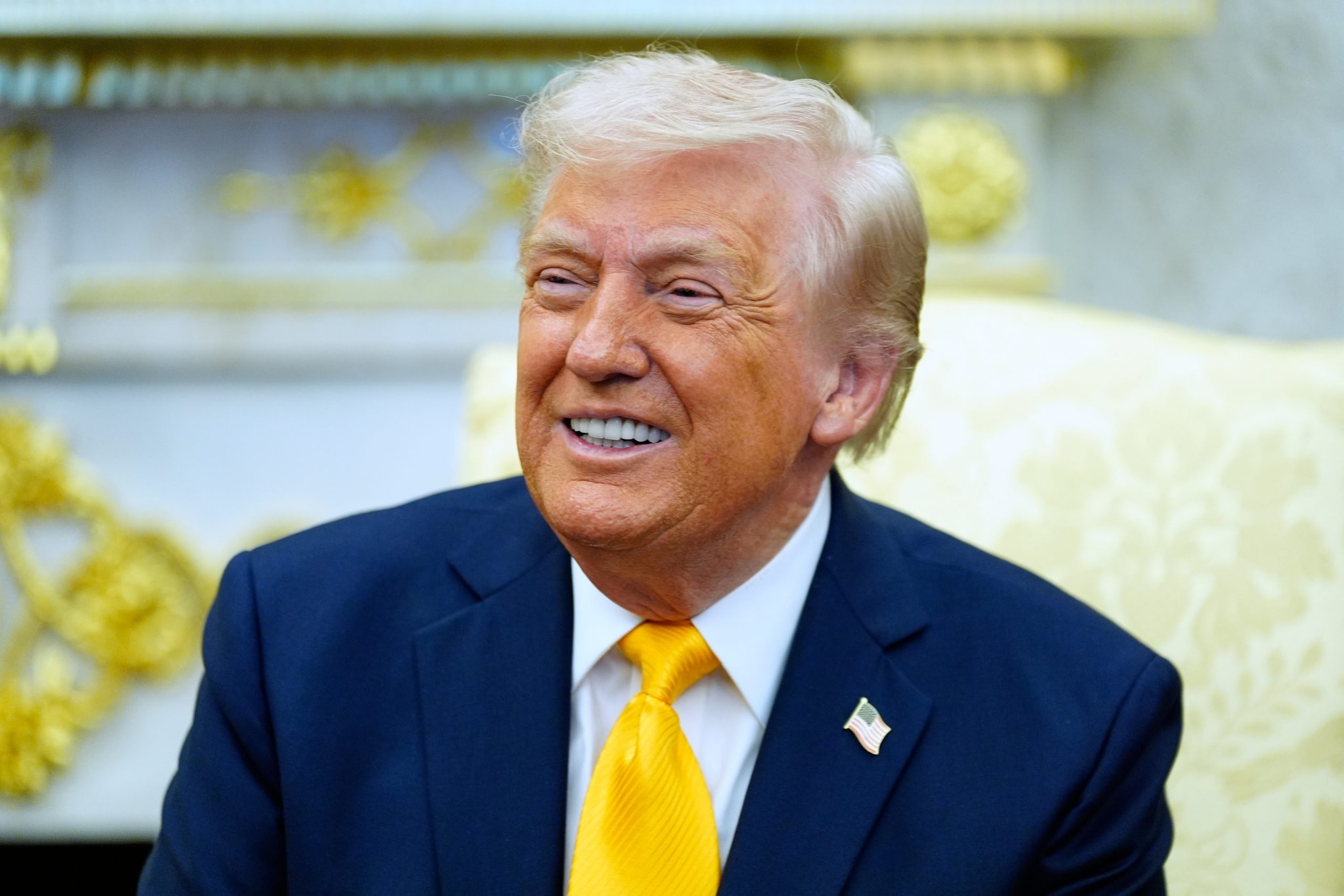
This isn’t happening in a vacuum. Donald Trump has already issued a 48-hour ultimatum for Iran to fully reopen the waterway, threatening to strike Iranian power plants. Iran’s response? They’ve vowed to hit every desalination plant and energy hub in the region if the US makes a move.
It’s a high-stakes game of chicken where the "toll" is just the opening move. Iran is using the law to normalize its control. They want the world to accept that the Strait of Hormuz is Iranian territory, not an international highway. If this law passes next week, the era of "freedom of navigation" in the Persian Gulf might be over for good.
What to do next
If you're managing supply chains or invested in energy markets, you can't wait for a "return to normal."
- Audit your transit exposure: Identify which of your suppliers rely on Hormuz-transit fuel or components.
- Hedge your fuel costs: If you haven't locked in energy prices for the next 12 months, do it yesterday. $114 oil is the floor, not the ceiling.
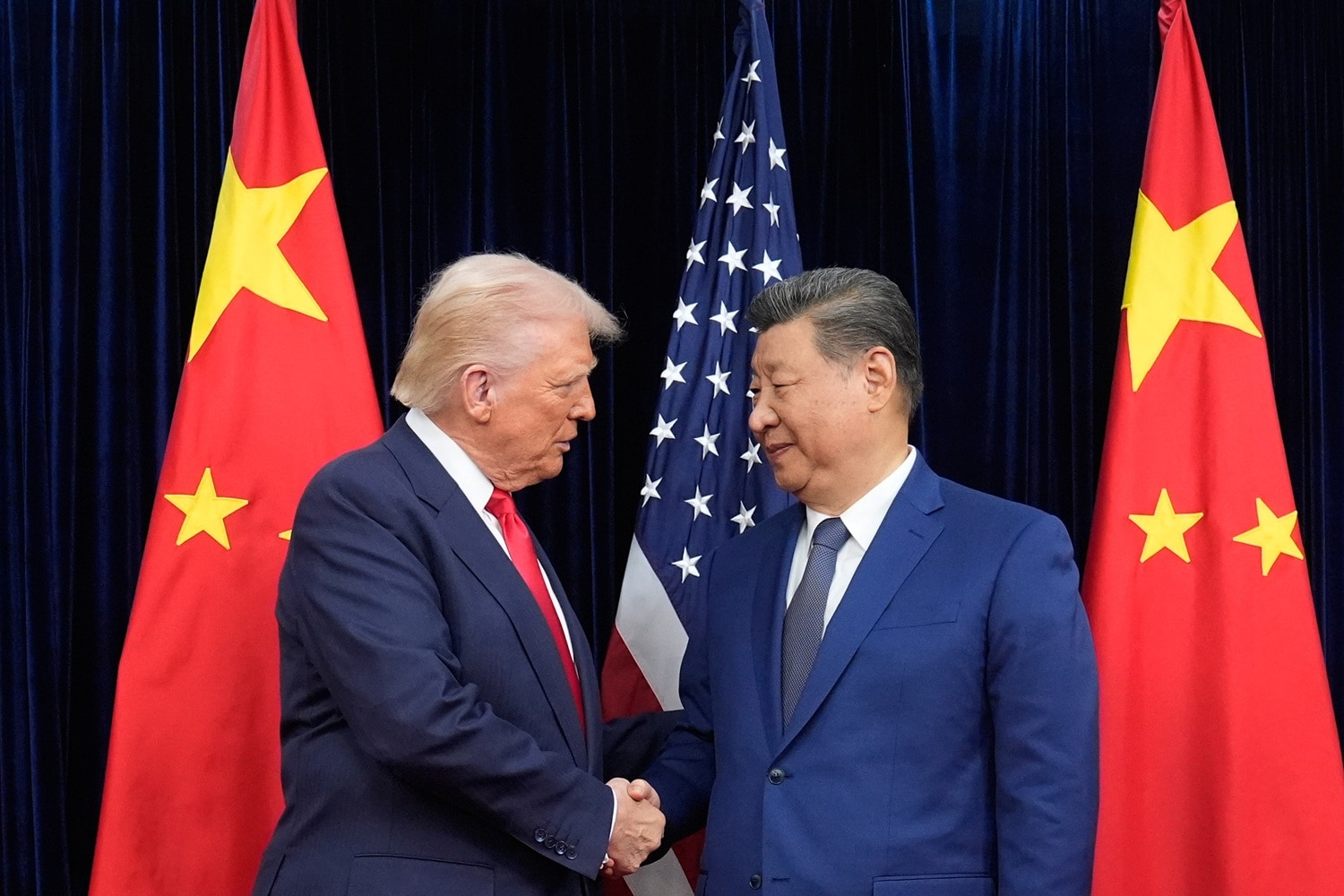
- Watch the Yuan: Keep an eye on reports of toll payments being settled in Chinese Yuan. If China begins facilitating these payments, the effectiveness of Western sanctions will crumble in real-time.
The "Tehran Toll Booth" is open for business. Whether the world decides to pay or pull the plug remains the trillion-dollar question.