Don't let the word "ceasefire" fool you into thinking the global energy crisis is over. If you thought a few days of quiet would bring oil prices crashing back to earth, Iran just sent a loud, clear signal that they’re the ones holding the detonator. On Thursday, April 9, 2026, semi-official Iranian news agencies ISNA and Tasnim dropped a chart that basically functions as a "keep out" sign for the world’s most critical maritime choke point.
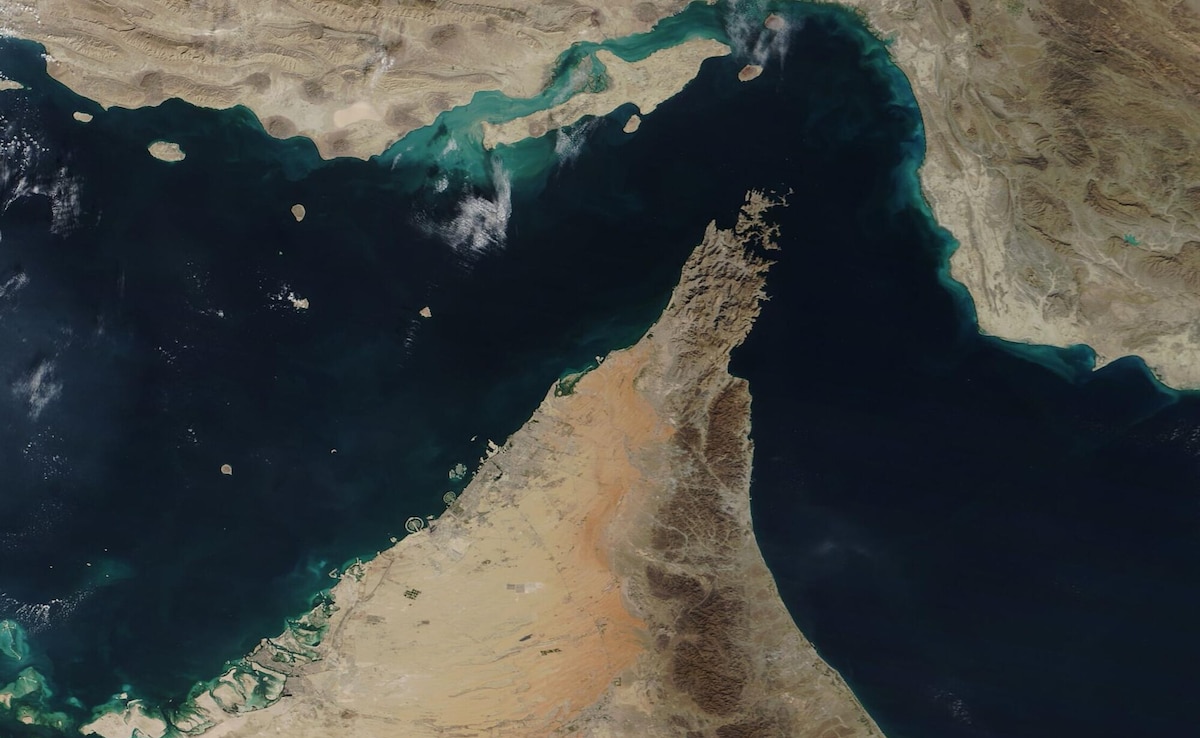
The map shows a massive "danger zone" sitting right on top of the Traffic Separation Scheme in the Strait of Hormuz. For those not familiar with the nautical layout, that’s the primary highway ships use to move 20% of the world's oil and natural gas. By marking this area as a minefield, Tehran isn't just warning about leftover explosives from the recent war; they're exerting a level of control that makes the current two-week truce look incredibly fragile.
The Reality of the Danger Zone
The timing of this map release is anything but accidental. We’re currently in a shaky two-week ceasefire, with negotiations slated to begin in Pakistan soon. By publicizing these mine locations now, the Islamic Revolutionary Guard Corps (IRGC) is telling the U.S. and its allies that even if the shooting stops, the shipping lanes don't just "open up."
According to the published charts, the danger isn't hypothetical. The IRGC suggests that ships should divert further north, hugging the Iranian mainland near Larak Island. Think about that for a second. Iran is essentially forcing all global shipping to move into their "front yard" if they want to avoid hitting a mine. It’s a brilliant, albeit terrifying, tactical move. It turns a ceasefire into a toll-road scenario where Iran dictates the path and the price of safety.
Why Oil Markets Aren't Buying the Peace
If the ceasefire were actually working, Brent crude shouldn't be sitting above $97 a barrel. The market is reacting to the fact that "safe passage" currently comes with an Iranian asterisk. On Wednesday, the first day of this supposed truce, only four vessels with active transponders even bothered to try the crossing.
You can’t blame the shipping companies. Marine insurance is a cold, hard business of risk assessment. When a paramilitary group releases a map saying "we put mines here," your insurance premiums don't go down—they vanish. We're seeing a massive bottleneck because:
- The "safe" route suggested by Iran is unproven and puts ships under the direct shadow of Iranian coastal batteries.
- There's no independent verification that the "danger zone" is the only place mines were laid.
- The IRGC hasn't committed to a timeline for clearing these explosives.
The threat of sea mines is a psychological weapon as much as a physical one. You don't need to hit a mine to be affected by one; you just need to know they’re in the water. That uncertainty is what’s keeping the global economy on edge.
The Trump Factor and the Shootin Starts Threat
The geopolitical theater is getting crowded. President Trump hasn't exactly been de-escalating the situation on Truth Social. His recent posts make it clear that the U.S. naval surge isn't going anywhere until a "REAL AGREEMENT" is signed. He even went as far as threatening that the "Shootin' Starts" if Iran doesn't comply.
This back-and-forth creates a "deadlock of winners." Both sides are claiming victory to their domestic audiences, but the reality on the water is a stalemate. Iran uses the mines to ensure they aren't ignored during negotiations, while the U.S. uses its carrier strike groups to signal that the strait cannot remain a closed Iranian lake.
What This Means for Global Shipping
If you're looking for a return to normalcy, don't hold your breath. The Strait of Hormuz is effectively under a "soft blockade." Iran is already reportedly charging massive "tolls" for coordination, with some reports suggesting figures over $1 million per ship for "safe conduct."
The shift of traffic toward Larak Island isn't just a detour; it’s a surrender of maritime sovereignty. Moving closer to the Iranian mainland gives the IRGC total visibility and physical proximity to every tanker. It’s the maritime equivalent of being forced to walk through a dark alley because the main street is rigged with tripwires.
The Path Forward
The Islamabad negotiations are the next big milestone, but the mine map has already moved the goalposts. Any deal that doesn't include an internationally verified de-mining operation is essentially worthless for the shipping industry.
If you’re tracking this situation, keep your eyes on the insurance markets and the Kpler tracking data. Until we see double-digit numbers of tankers successfully navigating the strait daily without Iranian "escorts," the ceasefire is just a pause in a much longer, much more expensive conflict.
The immediate reality is that the Strait of Hormuz remains a high-risk zone. Don't expect your energy bills to drop while the world's oil is being diverted through a narrow corridor dictated by the IRGC. The map isn't just a warning—it's the new rulebook for the Persian Gulf.