Abbas Araghchi isn't just talking to hear his own voice. When Iran's Foreign Minister stepped onto the stage in Beijing this week to declare his country has reached an "elevated international standing," he was throwing a gauntlet at the feet of Western diplomacy. It sounds like typical state-run rhetoric. You've heard it before. But look closer at the timing and the geography of that statement. This isn't about vanity; it's about a massive shift in how Tehran views its power after surviving a brutal military onslaught.
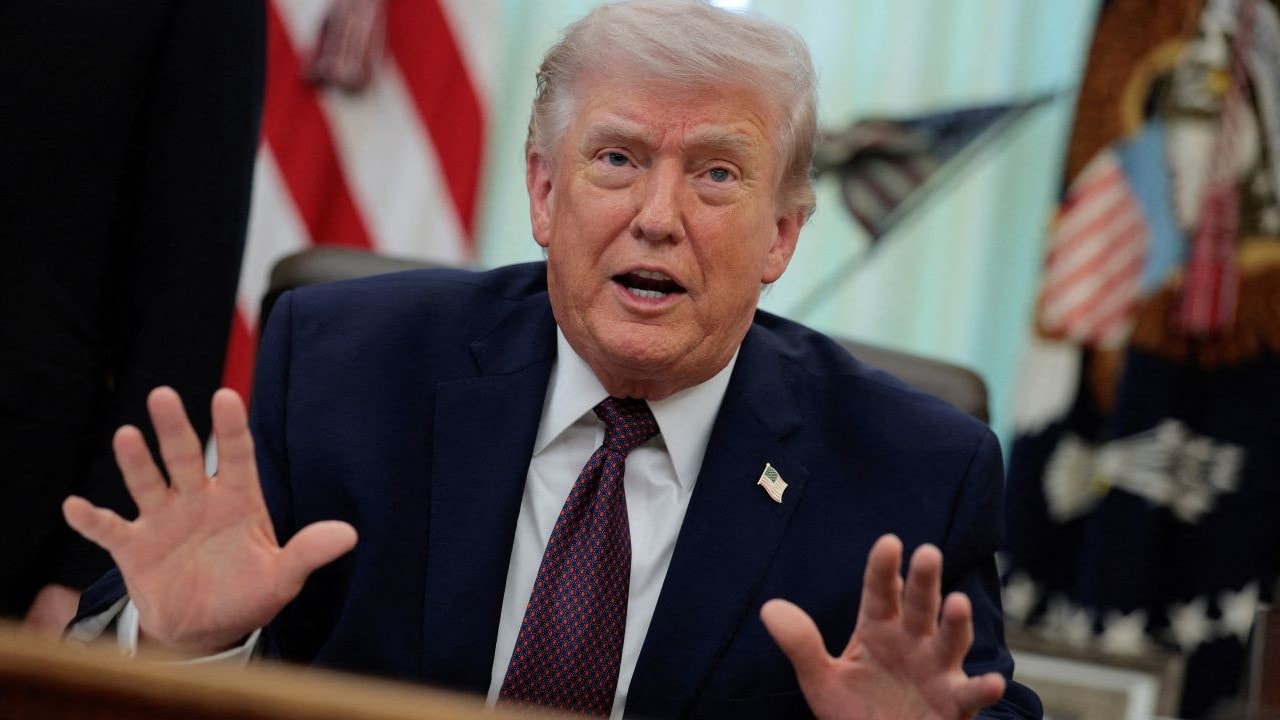
Right now, the world is watching a standoff that feels like a powder keg. On one side, you've got a U.S. administration under Donald Trump demanding a total rollback of Iran's nuclear program. On the other, you have Araghchi in China—of all places—insisting that Iran didn't just survive the recent "Twelve-Day War," but came out stronger. He's betting that the "chokehold" on the Strait of Hormuz is enough to force the West to blink.
The Reality Behind the Elevated Standing Talk
Araghchi’s claim relies on a very specific definition of "standing." It isn't about being liked in London or Washington. It's about being impossible to ignore. Iran's strategy has shifted from trying to avoid conflict to proving it can endure it and dish it back. By surviving strikes on its infrastructure and maintaining a functional—if precarious—blockade on global energy routes, Tehran feels it has earned its seat at the table.
Don't mistake this for a country at peace. The Iranian economy is under a vice grip. However, the diplomatic reality is that they’ve deepened ties with the "Global East" faster than anyone expected. Joining BRICS and the Shanghai Cooperation Organization (SCO) wasn't just a symbolic move. It was a hedge against the dollar and Western isolation. Even if those groups stayed quiet during the actual fighting, the fact that Araghchi is in Beijing today shows where Tehran’s true north lies.
Why the China Connection Changes the Game
If you want to know what "elevated standing" looks like in practice, look at who Araghchi is meeting. Foreign Minister Wang Yi isn't just a friendly face; he’s a lifeline. China needs the oil, and Iran needs the shield. This partnership is the cornerstone of Araghchi’s confidence.
- The Mediation Trap: China is positioning itself as the only adult in the room. By hosting Araghchi right before a summit with Trump, Beijing is telling the U.S. that the road to any Middle East peace goes through them.
- The 10-Point Plan: Iran isn't just saying "stop the war." They've put forward a detailed 10-point proposal. It includes non-aggression guarantees and, crucially, the right to enrich uranium. This isn't the language of a defeated nation.
- Energy Leverage: The Strait of Hormuz remains the ultimate trump card. Araghchi’s mention of "safe passage" being possible only through coordination with Iranian forces is a polite way of saying they control the world’s gas tank.
The Gulf Rapprochement is More Fragile Than it Looks
A year ago, everyone was talking about the "historic" deal between Iran and Saudi Arabia. Today, that relationship is hanging by a thread. Most Gulf capitals, with the exception of Muscat, have downgraded ties or expelled diplomats after the chaos of early 2026.
Honestly, the "standing" Araghchi brags about is built on fear as much as diplomacy. The Gulf states are stuck. They don't trust Tehran, but they’ve seen that the U.S. umbrella has holes. They’re caught between a radical, military-dominated leadership in Iran and a U.S. administration that might pull the plug at any moment. This creates a weird, tense "neither war nor peace" status quo.
Stop Thinking Tehran is About to Collapse
One of the biggest mistakes Western analysts make is assuming that military pressure or internal protests mean the regime is a week away from falling. The "Roaring Lion" conflict proved that the Iranian leadership can withstand a direct hit and keep the lights on. Araghchi’s "elevated standing" is a message to domestic hardliners too: "We took their best shot and we're still here."
It’s a dangerous game. For Israel and the U.S., a resilient Iran with a functional missile array and nuclear potential is a nightmare. But for Araghchi, it’s a position of strength. He isn't coming to the table as a beggar. He’s coming as a gatekeeper.
If you're following these negotiations, keep your eye on the Strait of Hormuz and the Beijing summit. The real test of Iran's "standing" won't be in a press release; it'll be in whether they can get the U.S. to lift primary sanctions without giving up their centrifuges. That's the only metric that actually matters for the people on the ground in Tehran.
To get a real sense of where this is going, watch the oil price fluctuations every time Araghchi mentions "coordination" in the Strait. If the prices stay stable, the world is buying his story. If they spike, the market knows we're still in the danger zone. Keep an eye on the official statements coming out of the Beijing summit on May 14—that's when the real deal-making starts.