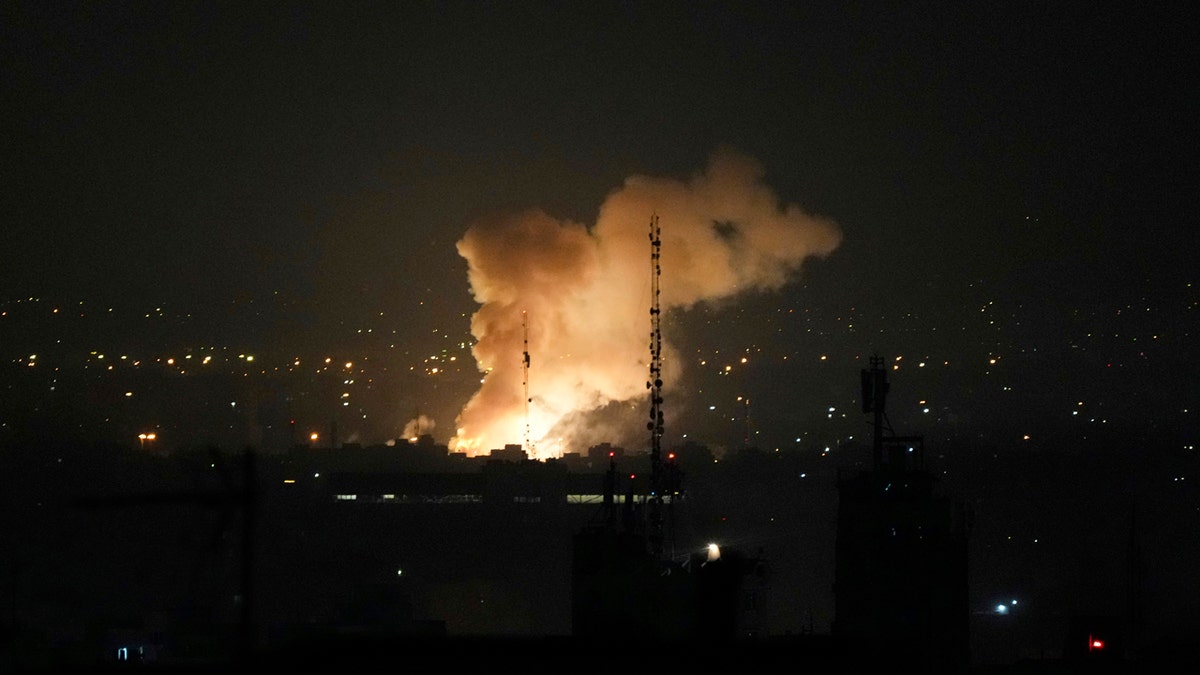
Two injured workers and some twisted metal at a smelter in Bahrain might not sound like a global economic crisis, but if you're watching the commodities market, it's a massive red flag. On Saturday, March 28, 2026, the Islamic Revolutionary Guard Corps (IRGC) launched a combined drone and missile strike against Aluminium Bahrain (Alba), one of the largest industrial sites in the Middle East. While the company claims the injuries were minor and they're still "assessing damage," the real impact isn't just on the factory floor—it's in the supply chain.
This isn't an isolated incident. The IRGC simultaneously hit Emirates Global Aluminium (EGA) in the UAE, specifically the Al Taweelah facility. Tehran is framing these strikes as a direct response to US-Israeli operations against Iranian steel plants. By labeling these smelters as "industries connected to the US military," Iran has effectively declared the entire Gulf industrial sector a legitimate target.
The immediate fallout on the ground
Alba confirmed that two employees were hurt during the Saturday strike. The Bahrain News Agency reported that the facility is currently trying to maintain "operational resilience," which is corporate-speak for "we’re trying to keep the pots from freezing." In aluminum smelting, that's everything.
If you've never been near a smelter, you should know that you can't just flip a switch to turn it off. The reduction cells (pots) run at incredibly high temperatures. If power is lost or the facility is structurally damaged enough to stop the flow of molten metal, the aluminum solidifies inside the pots. If that happens, you don't just restart the machine; you often have to take a jackhammer to the entire line. It’s a multi-million dollar nightmare that can take months to fix.
Why this hit is different
This strike happened while Alba was already reeling. Just weeks ago, the company declared force majeure on shipments. The Strait of Hormuz is basically a no-go zone right now, which means getting raw alumina in and finished ingots out is becoming nearly impossible.
- Production Cuts: Alba had already initiated a controlled shutdown of about 19% of its capacity (specifically Lines 1, 2, and 3) before this missile ever touched the ground.
- Logistics Collapse: With the Strait effectively closed, the company is fighting a war on two fronts: physical damage from missiles and a slow strangulation of its supply lines.
- Market Panic: Global aluminum prices are already pushing toward $4,000 per tonne. The Middle East produces roughly 9% of the world’s primary aluminum. When you take out the two biggest players in the region—Alba and EGA—in a single weekend, the "scarcity premium" starts to skyrocket.
The bigger geopolitical play
Don't think for a second this was just about hitting a factory. Bahrain is home to the US Navy’s 5th Fleet. By striking Alba, Iran is showing it can bypass regional air defenses to hit the economic heart of a key US ally. They aren't just targeting metal; they're targeting the stability of the Bahraini economy, which relies heavily on Alba for its non-oil GDP.
The IRGC statement was blunt. They claim these facilities support "American-Zionist" defense production. It’s a stretch, sure, but in a hot war, nuances don't matter. If you supply aluminum that eventually ends up in a Boeing or Lockheed Martin supply chain, Iran now considers you a combatant.
What happens next for the industry
If you’re a buyer or a manufacturer sitting in Europe or Asia, you’re probably panicking. Most people think they can just switch to Chinese or Australian supply, but the market is too tight for that to be a "seamless" transition.
- Shipping costs will stay insane: Even if Alba fixes the physical damage tomorrow, the insurance premiums for vessels entering the Persian Gulf are going to stay at "prohibitive" levels.
- Inventory drawdown: We’re going to see a massive run on existing London Metal Exchange (LME) stocks.
- The "Hormuz Factor": As long as the Strait is contested, the 1.62 million metric tonnes Alba produces annually is essentially locked in a cage.
Honestly, the physical damage to the smelter might be the least of their worries. The real hit is the message it sends to the world: the Gulf is no longer a safe place to source industrial materials.
If your business relies on high-grade aluminum, you need to start looking at secondary markets or recycled scrap immediately. The days of cheap, reliable metal from the Middle East are on ice until this conflict cools down. Don't wait for the official "damage assessment" to tell you what the markets already know—this is a supply shock that won't be fixed by a few repairs.
Check your current contracts for "Act of War" clauses. You're going to need them.