The diplomatic dance in the Middle East just took a strange, predictable turn. Tehran is officially looking at a U.S.-backed ceasefire proposal aimed at cooling the border conflict between Israel and Hezbollah. But don't expect a handshake anytime soon. Iranian officials made it clear they aren't actually sitting down for talks. They're watching from the sidelines, reviewing documents, and letting their proxies do the heavy lifting on the ground. It's a classic move in a region where silence speaks as loudly as a press release.
You've probably seen the headlines about "breakthroughs" before. Usually, they're followed by more rocket fire. This time feels different because the pressure isn't just coming from Washington. It's coming from a Lebanese state that's effectively bucking under the weight of a war it didn't choose. Iran says it supports any decision made by the "Lebanese government and the resistance," which is fancy political speak for "we'll agree to it if Hezbollah doesn't lose face."
The reality is simpler. Iran wants to keep its influence without getting its own hands dirty in a direct confrontation with Israel or the U.S. By "reviewing" the plan without attending "talks," they maintain a layer of deniability. They get to act like the reasonable regional power while keeping their options open.
The U.S. Proposal and the Lebanese Dilemma
The plan currently on the table isn't some brand-new invention. It's largely built on UN Security Council Resolution 1701. That's the same agreement that ended the 2006 war. It calls for Hezbollah to pull its fighters back from the border, moving north of the Litani River. In exchange, the Lebanese army would step up, and Israel would stop its overflights and ground operations.
Sounds great on paper. In practice, it’s a nightmare to enforce.
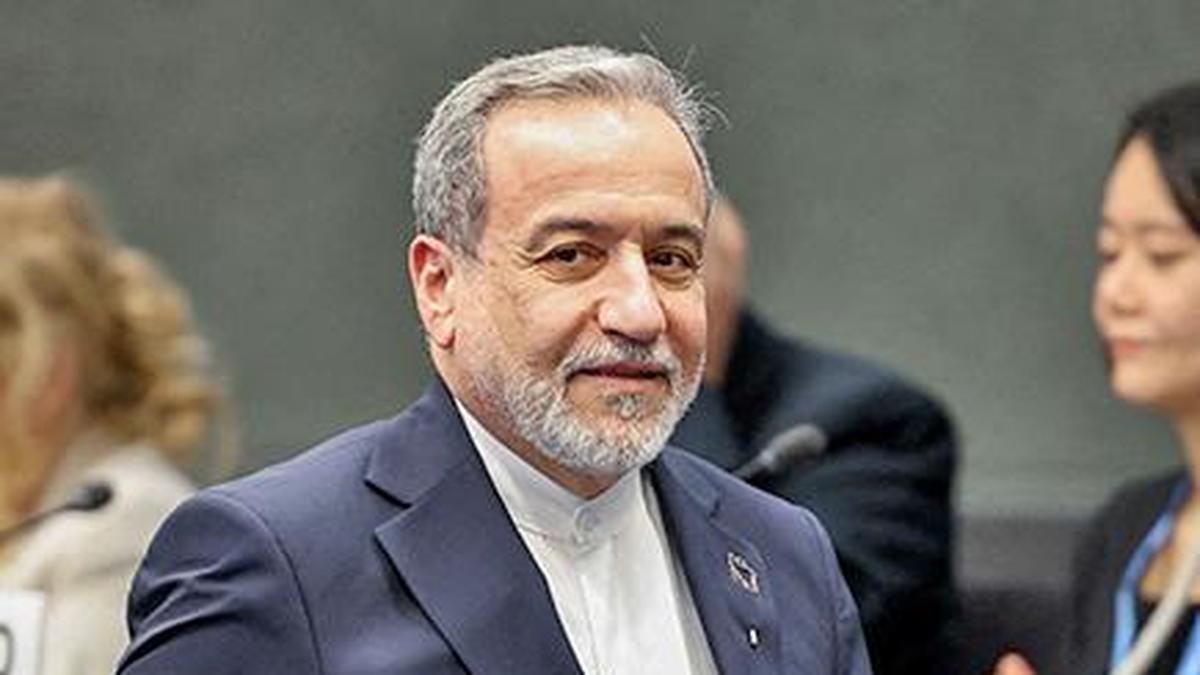
Ali Larijani, a senior advisor to Iran’s Supreme Leader, recently landed in Beirut to discuss exactly this. His presence alone tells you everything you need to know. Lebanon’s caretaker Prime Minister, Najib Mikati, is caught in the middle. He needs the war to stop to save what's left of his country’s economy. But he can't make a move without the green light from Hezbollah, which means he needs the green light from Tehran.
Larijani told reporters that Iran isn't trying to "sabotage" anything. He claims they're looking for a "solution." But when asked about the specifics of the U.S. draft, he stayed vague. That vagueness is intentional. If the deal fails, Iran can blame U.S. bias or Israeli aggression. If it succeeds, they can claim they facilitated the peace.
Why Iran Won't Sit at the Table
You might wonder why they won't just talk directly. It's about legitimacy. For the Islamic Republic, sitting down with U.S. negotiators—especially with the current administration—is seen as a sign of weakness at home. They prefer "indirect" channels. They use the Qataris, the Egyptians, or the French to pass notes like kids in a classroom.
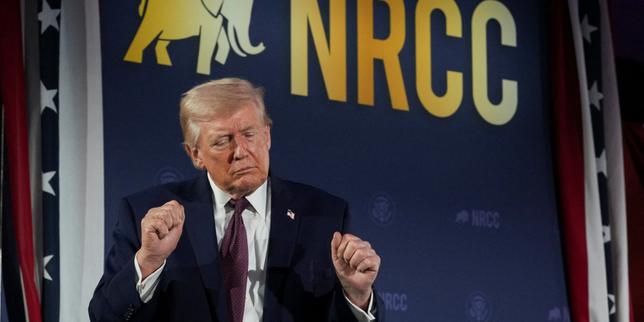
There's also the "Trump factor" looming over everything. With a change in U.S. leadership on the horizon, Tehran is playing a waiting game. Why sign a deal with an outgoing administration if the next one might tear it up on Day 1? They're stalling. They're "reviewing." They're doing anything but committing.
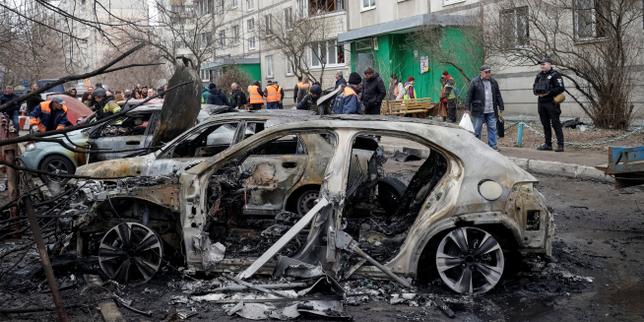
Meanwhile, the humanitarian cost in Lebanon keeps climbing. Over 3,000 people have died since this round of fighting escalated. Tens of thousands are displaced. The Lebanese government is desperate. They've signaled that the U.S. proposal is "reasonable" in parts, but the devil is in the monitoring mechanism. Who actually makes sure Hezbollah stays behind the river? Israel wants the right to strike if they see a violation. Lebanon sees that as a breach of sovereignty.
The Proxy Wall
Hezbollah isn't just a militia; it's Iran’s most successful export. If Hezbollah is forced to retreat significantly, it looks like a defeat for Tehran’s "Axis of Resistance." That’s why the rhetoric coming out of Iran is so focused on "support" rather than "direction." They want the world to believe Hezbollah is an independent Lebanese actor.
We know better.
The Iranian strategy involves a slow-motion assessment. They'll let the Lebanese officials negotiate the fine print. They'll let the rockets keep flying to maintain leverage. Only when the cost of continued war outweighs the benefit of the "resistance" posture will they signal to Hezbollah that it's time to fold.
What Happens Next on the Ground
Don't wait for a grand signing ceremony. If this works, it'll be a quiet transition. You'll see a gradual decrease in strikes. You'll see the Lebanese Armed Forces moving more equipment south.
But there are massive hurdles.
- The Monitoring Committee: The U.S. wants a beefed-up international group to watch the border. Iran and Hezbollah are wary of any Western military footprint that could double as intelligence gathering.
- The Litani Buffer: Moving thousands of fighters and their hidden infrastructure is a massive logistical and political hurdle. Hezbollah lives in these villages. They aren't just an army; they are the local community.
- Israeli Guarantees: Israel isn't going to stop until they feel safe sending their citizens back to northern towns. If the deal looks flimsy, the IDF will keep pushing.
Iran’s "review" is a stalling tactic masked as diplomacy. They're checking the wind. They're waiting to see if the U.S. is serious about enforcement or if this is just a final attempt at a legacy win for a departing president.
If you're following this, stop looking at the official statements from Tehran. Watch the border. Watch the movement of the Lebanese Army. If the LAF starts moving south in real numbers, the deal is real. If not, the "review" is just more noise in a very loud war.
Keep an eye on the diplomatic cables coming out of Beirut over the next 48 hours. That's where the real "yes" or "no" will hide. Iran has handed the ball to Lebanon, but they're still the ones coaching from the locker room.