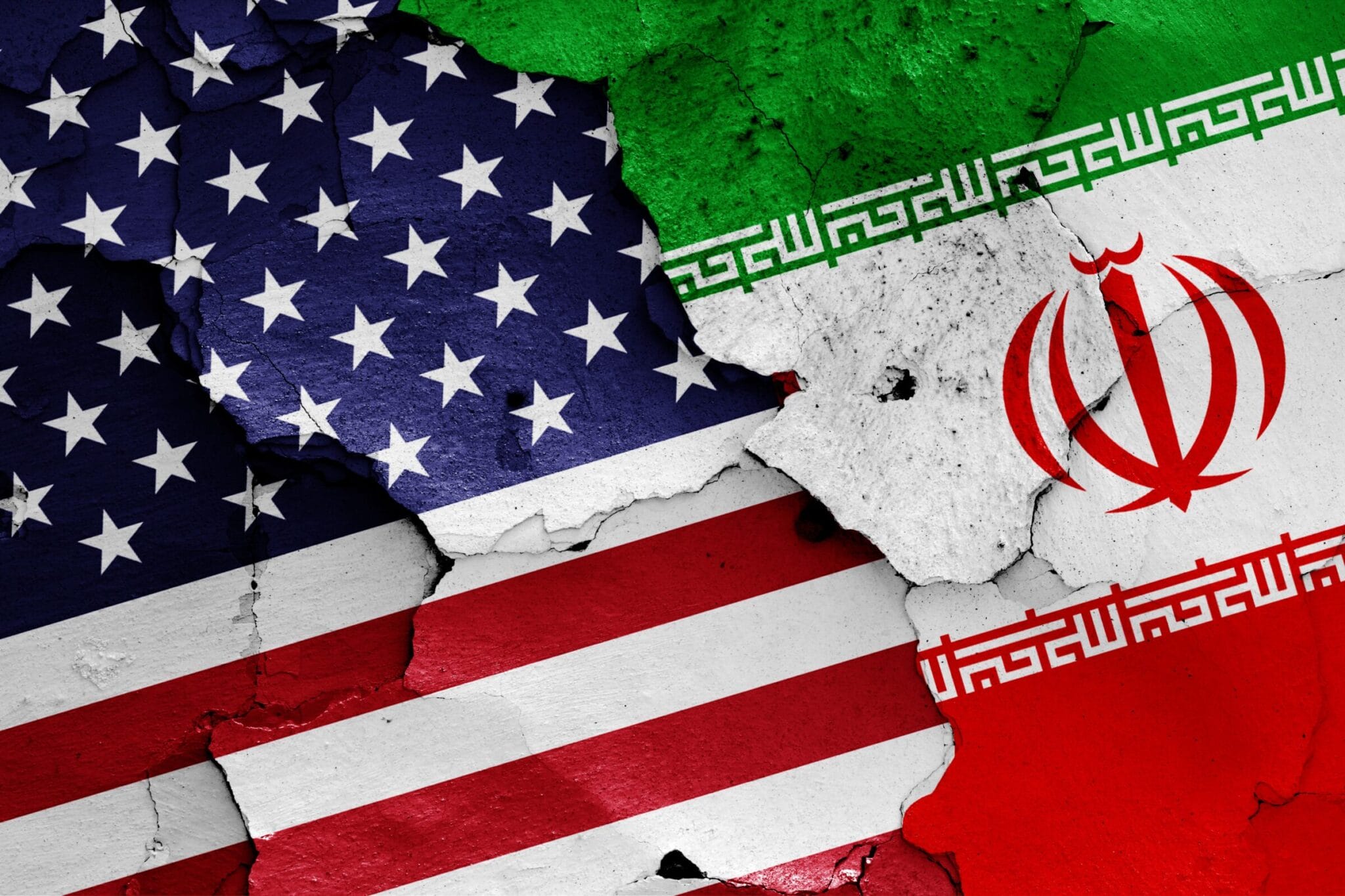
The Middle East is back at a familiar, bloody crossroads. After Donald Trump brushed aside the latest attempt at a diplomatic olive branch, Tehran didn't just shrug its shoulders. They doubled down. Iranian officials are now signaling that they've reached the limit of their patience. It's a binary choice now. Washington can choose a negotiated settlement or they can choose war. There's no middle ground left.
This isn't just standard grandstanding from the Iranian Foreign Ministry. It's a reaction to a specific pattern of rejection. When Trump walked away from the latest proposal, he signaled that the "maximum pressure" campaign isn't just a relic of his first term. It's the active blueprint. Tehran’s response—claiming the ball is now in the US court—is a desperate attempt to shift the narrative of aggression back onto the White House. But let's be real. In this game, nobody wants to blink first because both sides think blinking looks like a surrender. You might also find this similar article useful: Strategic Appointment Analysis The Nick Stewart Calculus in Iranian Diplomatic Architecture.
The failed handshake that changed everything
For months, back-channel diplomats have been trying to find a way to revive some version of a nuclear deal or at least a non-aggression pact. These talks often happen in quiet corners of Muscat or Doha. The goal is simple. Iran wants sanctions relief to fix its crumbling economy. The US wants Iran to stop enriching uranium and stop funding proxies across the region.
Trump’s recent dismissal of the latest proposal wasn't a surprise, but it was a gut punch to the moderates left in the Iranian government. By saying "no" before the ink was even dry, the US signaled that it doesn't trust the current Iranian leadership to keep any promise. This leaves the Iranian hardliners with a "told you so" moment. They’ve long argued that talking to Washington is a waste of time. Now, they have the evidence to back it up. As reported in recent articles by TIME, the implications are widespread.
You have to look at the internal pressure inside Iran to understand why they’re talking about war so openly. The Iranian Rial is in a tailspin. Inflation is eating the middle class alive. When a government can't provide bread, it often provides a common enemy. By framing the situation as "settlement or war," the Iranian leadership is telling its people that their suffering isn't because of domestic mismanagement, but because of American stubbornness.
Why the ball isn't actually in anyone's court
The phrase "the ball is in their court" is the most overused cliché in diplomacy. It’s also usually a lie. In reality, the ball is stuck in the mud.
The US position is clear. They want a total freeze on nuclear activity and a complete halt to the ballistic missile program. Iran’s position is equally rigid. They want all sanctions lifted before they stop a single centrifuge. It’s a classic deadlock.
- Sanctions haven't broken the regime. They’ve made life miserable for 85 million people, but the Revolutionary Guard is still well-funded.
- The nuclear program is a point of pride. It’s not just about power. It’s about national identity.
- Regional proxies are Iran’s insurance policy. They won't give up Hezbollah or the Houthis because those groups are the only things keeping a direct invasion off the table.
If you think this is just about nuclear physics, you're missing the point. It's about who gets to run the Middle East. Trump’s "America First" approach means he isn't interested in a deal that just kicks the can down the road. He wants a deal that fundamentally changes Iranian behavior. Iran sees that as a demand for regime change by other means.
The shadow of a regional explosion
When Iran mentions "war," they aren't necessarily talking about a full-scale invasion of the Iranian mainland. Nobody wants that. The US military knows that invading Iran would make the Iraq war look like a weekend rehearsal. Instead, we're looking at a massive escalation of the shadow war.
We've already seen the previews. Tankers getting seized in the Strait of Hormuz. Drone strikes on infrastructure. Cyberattacks that shut down gas stations. If the "negotiated settlement" path is truly dead, these incidents will move from the shadows to the front page. Iran knows it can’t win a conventional war against the US Navy. But it also knows it can make the price of oil jump to $150 a barrel overnight. That’s their leverage.
The rhetoric coming out of Tehran is designed to spook global markets and Western allies. They want the Europeans to panic. They want the UN to beg for a ceasefire. It’s a high-stakes bluff, but it only works if the other side believes you're crazy enough to pull the trigger.
What the media misses about the Iranian military
Most pundits talk about Iran’s aging air force. Sure, their F-14s belong in a museum. But that doesn't matter. Iran has spent twenty years mastering "asymmetric warfare."
- Drones. Their Shahed series has changed the face of modern combat. They are cheap, effective, and hard to stop.
- Missile swarms. They have thousands of short and medium-range missiles aimed at every US base in the region.
- Geography. They control the world's most important oil chokepoint.
If war happens, it won't be a neat affair. It will be a messy, protracted conflict that drains the global economy. This is why the "negotiated settlement" is still the only rational path, even if it feels impossible right now.
Trump and the art of the no-deal
Donald Trump’s strategy has always been to walk away from the table to get a better seat later. It worked with some trade deals, but Iran isn't a business partner. They're a theocracy with a long memory.
The dismissal of the latest proposal shows that the US isn't in a hurry. The administration believes that time is on their side. They think the more the Iranian economy suffers, the more likely the regime is to collapse or come back with even better terms. It's a gamble. History shows that when you back a regime into a corner, they don't usually surrender. They usually lash out.
The "maximum pressure" 2.0 strategy is now in full swing. By ignoring the Iranian overtures, the US is betting that the Iranian public will eventually turn on the Supreme Leader. But so far, the security apparatus in Tehran has proven more than capable of crushing any dissent.
The regional players are getting nervous
While DC and Tehran trade insults, the rest of the neighborhood is holding its breath. The Saudis and Emiratis have spent the last few years trying to de-escalate with Iran. They don't want a war on their doorstep. If a conflict breaks out, their oil refineries are the first targets.
Israel, on the other hand, sees any "negotiated settlement" as a trap. They believe Iran is just using the talks to buy time while they finish building a bomb. This puts the US in a tight spot. Any deal that satisfies Iran will likely anger Israel. Any deal that satisfies Israel will be rejected by Iran.
The "ball is in the US court" line is Iran’s way of telling these regional players, "We tried to be reasonable, but the Americans want a fight." It’s a PR move as much as a diplomatic one.
Finding a way out of the dead end
If there's going to be a settlement, it’s not going to look like the 2015 deal. That ship has sailed. A new agreement would need to address things that weren't on the table ten years ago.
First, there has to be a mechanism for regional security. You can't talk about nukes while ignoring the missiles being fired at ships in the Red Sea. Second, the sanctions relief has to be tied to verifiable behavioral changes, not just "paper promises."
Honestly, the chances of this happening in the next six months are slim. We're in a period of "controlled escalation." Both sides are testing the other's limits. Iran will likely increase its uranium enrichment to 90%—weapons grade—just to see how the US reacts. The US will likely add more names to the sanctions list.
The real danger isn't a planned war. It's an accidental one. A nervous sailor on a destroyer or a rogue drone operator could trigger a chain reaction that neither Trump nor the Ayatollah can stop.
Keep an eye on the Strait of Hormuz over the next few weeks. If we see a spike in "harassment" incidents, we'll know the diplomatic path is officially cold. For now, the world is stuck watching two leaders who both believe they have the upper hand, even as the room starts to smell like smoke. Pay attention to the price of Brent Crude and the rhetoric coming out of the IAEA. Those are the real barometers of how close we are to the edge. If you're invested in global markets, it's time to hedge. The "war" part of the Iranian ultimatum isn't just a scary word—it's a plan B that they are actively prepping for.