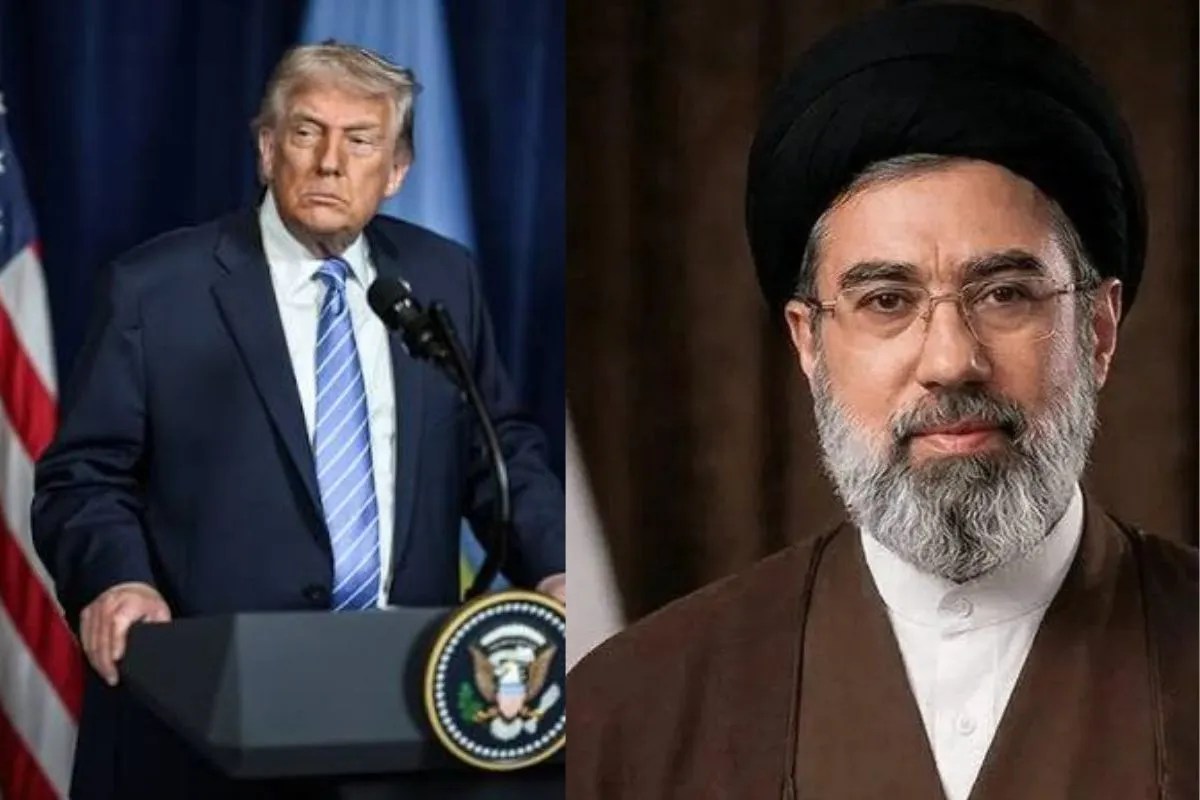
Geopolitical posturing often sounds dramatic. Headlines scream about nations bringing superpowers to their knees, but the reality on the ground is way more complicated. When Iranian foreign ministers make sweeping claims about diplomatic or strategic wins against the United States, people usually take it at face value or write it off as pure propaganda. The truth sits somewhere in the messy middle.
Let's break down what's actually happening behind closed doors. You aren't getting the full story from standard news snippets.
The Game of Perception vs Reality
When officials in Tehran talk about humbling Washington, they are speaking to two very different audiences. Half the message targets domestic citizens enduring heavy economic sanctions. The other half sends a calculated signal to regional rivals across the Middle East.
It's posture. It's messaging. It's theater.
Think about how international pressure works. When a country faces decades of banking restrictions, trade embargoes, and military encirclement, leaders need a narrative of defiance. They can't just look weak. They have to project strength, even when inflation hurts everyday grocery buyers and local currency values fluctuate wildly.
- Domestic audiences hear a story of national resilience.
- Regional competitors see a government refusing to back down.
- Washington views the rhetoric as predictable baseline noise.
Why Economic Realities Tell a Different Story
You can't eat rhetoric. Real people in Tehran deal with high prices every single day. If a government forces a narrative that they've beaten the global superpower, grocery store owners and tech workers know the ledger doesn't match the speeches.
Sanctions bite hard. Energy exports face restrictions. Shipping lanes require risky workarounds. So why push the narrative of dominance? Because soft power matters just as much as physical steel. If you can convince neighboring states that the United States cannot guarantee absolute security or dictate every outcome, alliances shift. That shift is the real win Iran looks for.
The Washington Playbook
How does the United States respond? Mostly through silence or routine diplomatic rebukes. Policymakers in Washington don't usually dignify every fiery speech with a counter-statement. They rely on deterrence, naval patrols, and economic choke points.
When you look closely at past standoffs, dramatic claims rarely change operational facts. American aircraft carriers still patrol the region. Supply lines remain secured through strategic partner nations. The structural balance of power hasn't magically flipped overnight just because of a press conference.
Breaking Down the Regional Chessboard
Look at proxy networks, proxy funding, and regional diplomacy. Tehran maintains influence through local actors in Lebanon, Iraq, Yemen, and Syria. This network costs money, but it creates strategic depth.
When leaders claim an upper hand, they point to these allied groups holding ground against Western pressure. It's a war of attrition.
- Strategic Patience: Waiting out administrations in Washington that change every four to eight years.
- Asymmetric Pressure: Using drones, cyber capabilities, and regional allies to raise the cost of intervention.
- Information Warfare: Winning the local media cycle by framing defense as defiance.
Looking Past the Headlines
Don't fall for the trap of treating international relations like a sports match where someone clearly wins or loses today. This game plays out over decades.
If you want to understand these updates, look past the translated soundbites. Check the trade data, watch oil shipping volumes, and monitor back-channel talks happening in Oman or Qatar. That is where actual diplomacy happens, far away from the microphones and the grand speeches about bringing giants to their knees.
Keep your focus on the tangible mechanics of power rather than the theater designed to distract you.