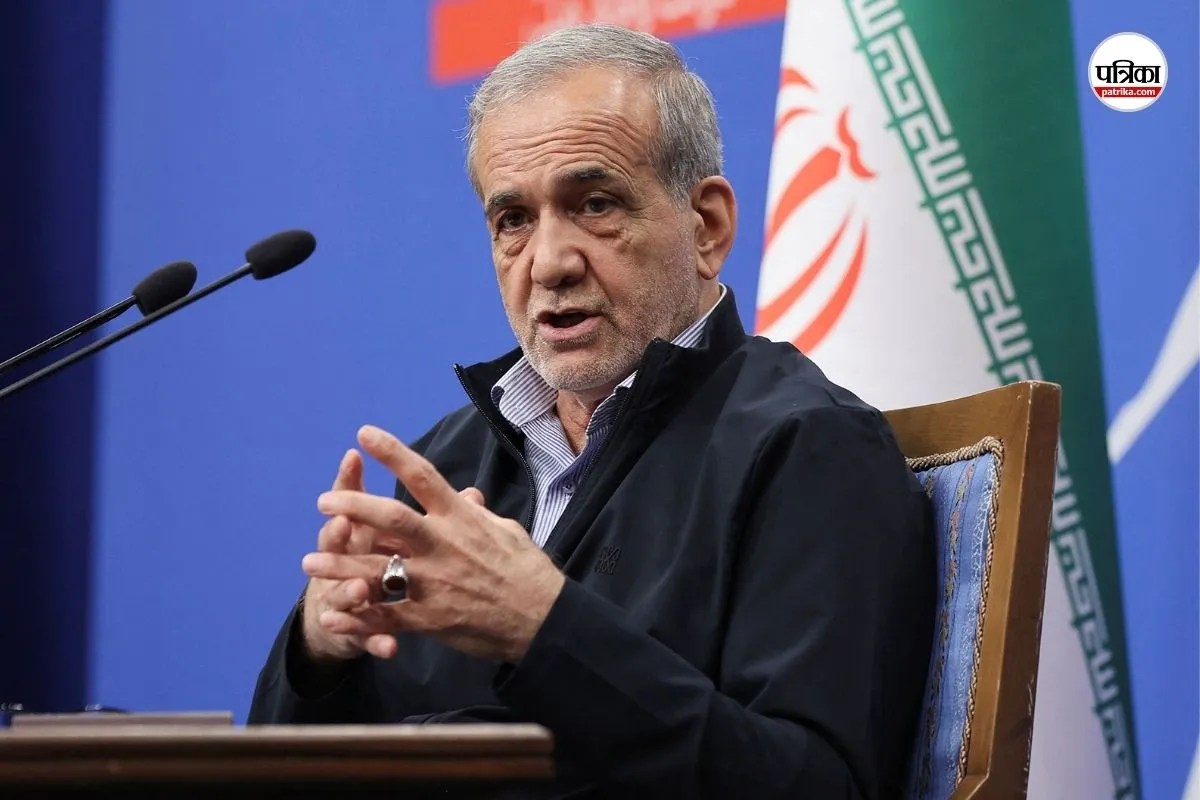
Iranian President Masoud Pezeshkian is heading to New Delhi next month. This isn't just another routine diplomatic stopover. It marks his first trip to India since the intense conflict with the US broke out in February, and it arrives right as India hosts the 18th BRICS Summit on September 12-13.
If you think this visit is just about handshakes and photo-ops, you're missing the bigger picture. The stakes are massive.
The Real Agenda Behind the September Summit
India holds the BRICS chairship for 2026 under the theme "Building for Resilience, Innovation, Cooperation and Sustainability". But beneath the diplomatic language, urgent regional survival issues dictate the schedule. When Prime Minister Narendra Modi spoke with Pezeshkian by phone in June to formally extend the invitation, the conversation focused heavily on West Asia developments and maritime security.
Iran became a full BRICS member back in 2024, but this upcoming summit gives Tehran a major platform to push its agenda. Pezeshkian wants to rally developing economies against Western hegemony and use multilateral forums to ease economic pressure.
India has a different priority list. New Delhi wants to secure energy corridors and protect its citizens.
Why the Strait of Hormuz is the Elephant in the Room
You can't talk about India-Iran ties right now without looking at the Persian Gulf and the Strait of Hormuz. Maritime traffic has faced severe disruptions, and the human cost for India has been real.
Recent figures from New Delhi show more than 165 Indian seafarers operating directly in those volatile waters. The Ministry of External Affairs noted that 16 Indian nationals, including 10 seafarers, have lost their lives and 75 others have been injured in regional flare-ups since February. In July, India even summoned Iran's Deputy Chief of Mission after a missile strike hit energy tankers carrying Indian crew members.
When Modi sits down with Pezeshkian for bilateral talks, expect hard conversations about safety. India will demand absolute guarantees for commercial shipping and freedom of navigation. Tehran understands this dynamic well. Iranian Foreign Minister Abbas Araghchi previously visited Delhi to stress that Iran views itself as a historical protector of security in the Hormuz Strait, aiming to reassure vital trade partners.
Chabahar Port and Economic Realities
Another critical item on the table is the Chabahar Port. India has poured considerable diplomatic and financial capital into developing this gateway to Central Asia. Yet, sweeping international sanctions and ongoing regional instability have kept projects moving at a snail's pace.
While India received small shipments of Iranian oil earlier in the year, full-scale trade resumption depends entirely on sanctions relief and stable maritime security. Pezeshkian's visit provides the direct channel needed to push these infrastructure discussions forward, bypassing layers of bureaucratic delay.
What Happens Next
Expect intense media coverage when leaders like Vladimir Putin and Masoud Pezeshkian land in New Delhi next month. Pay attention to the closed-door bilateral meetings rather than the public joint statements. Those private rooms will determine whether India can successfully mediate stability in West Asia while keeping its own economic engine supplied and safe. Watch for concrete announcements on maritime security protocols and port timelines as September approaches.