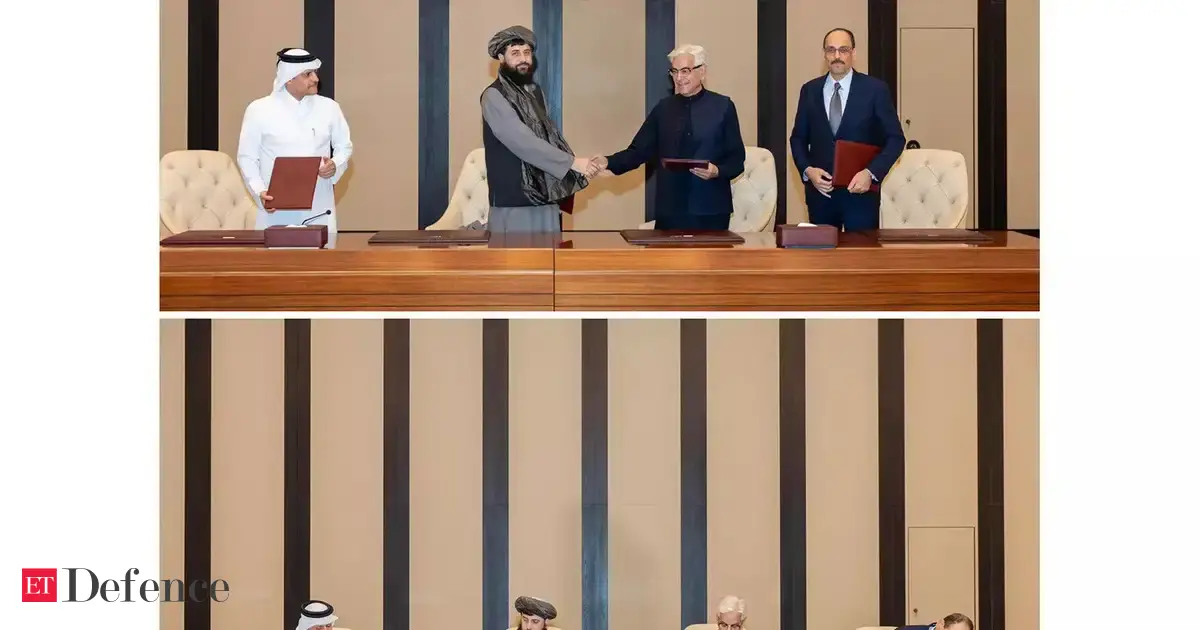
The U.S. delegation isn't just flying across the world to talk. They're heading into a room where the floor is basically missing. Diplomacy usually requires a common language, or at least a shared set of basic facts, but the current state of Iran peace talks feels more like two ships trying to dock in a hurricane. You've got Washington demanding a total overhaul of regional behavior while Tehran won't even look at the table until the economic handcuffs come off. It’s a mess.
If you think this is just another round of boring bureaucratic meetings, you're missing the point. This isn't just about centrifuges or enrichment levels anymore. It's about a fundamental lack of trust that has hardened into a wall neither side seems willing to climb. The U.S. team is carrying a briefcase full of "red lines," and the Iranian side is holding a list of grievances that stretches back decades.
The Nuclear Problem Is Only the Beginning
We often talk about the nuclear deal like it's the only thing that matters. It isn't. The real friction comes from what happens outside the labs. The U.S. is obsessed with Iran's ballistic missile program and its influence in Yemen, Lebanon, and Iraq. To the State Department, these aren't side issues. They're the whole game.
Tehran sees it differently. They view their regional influence as a survival strategy. If you're surrounded by adversaries and hit with crippling sanctions, you build friends where you can. They aren't going to trade their regional leverage for a promise of "maybe" getting some trade deals back. It’s a classic stalemate. One side wants security before they give an inch, and the other wants an inch before they talk about security.
The numbers tell a grim story for the average person on the ground. Iran's inflation has hovered at staggering levels, sometimes north of 40%. The Rial has tanked. When the U.S. team sits down, they know they have economic leverage. But history shows that "maximum pressure" usually just results in maximum resistance. It hasn't stopped the enrichment. It hasn't stopped the drones. It’s just made the room colder.
Why Both Sides Are Walking on Eggshells
Politics at home makes everything ten times harder. President Biden doesn't have a blank check. He’s got a skeptical Congress and a looming election cycle where any "concession" to Tehran will be framed as a surrender. On the flip side, the hardliners in Iran's parliament are waiting for any sign of weakness from their own negotiators.
- The U.S. Dilemma: Giving up sanctions without "permanent" nuclear guarantees looks like a bad deal to voters.
- The Iranian Dilemma: Stopping enrichment without guaranteed, irreversible sanctions relief looks like a trap.
- The Shadow Players: Israel and Saudi Arabia are watching every move, ready to pull their own levers if they think the U.S. is getting too soft.
I've watched these cycles before. They start with hope and end in a press release about "constructive dialogue" that actually means nothing changed. The gap isn't just wide. It's a canyon. The U.S. wants a "longer and stronger" deal, but Iran is still asking why the first deal was scrapped in the first place. Trust is a currency, and right now, both sides are broke.
The Problem With Red Lines
Everyone loves a red line until they have to enforce it. The U.S. has said Iran can't have a nuclear weapon. Iran says they don't want one. But the technical ability to build one is getting closer every day. This creates a ticking clock that ruins the slow, patient pace of traditional diplomacy.
You can't just fix this with a clever bit of phrasing in a treaty. We're talking about two nations that haven't had formal diplomatic relations since 1980. That's forty-six years of talking through intermediaries and shouting through the media. Imagine trying to settle a legal dispute with someone you only talk to via a third party who might have their own agenda. It's inefficient and dangerous.
What Real Progress Would Actually Look Like
If these talks were actually going to work, we’d see small, boring wins first. Things like prisoner swaps or limited humanitarian channels for medicine. Instead, we’re seeing grandstanding. Big speeches. Hard stances.
Real diplomacy happens in the dark, away from the cameras. When you see a "U.S. team heads to talks" headline, it’s usually for public consumption. The real work is finding a way for both sides to save face. No one wants to look like they blinked first.
The International Atomic Energy Agency (IAEA) is stuck in the middle. They're the ones trying to keep cameras in the facilities. They're the ones looking for traces of uranium in places they shouldn't be. Without their access, the U.S. team is flying blind. And right now, that access is a bargaining chip that Tehran plays whenever they feel squeezed.
Stop Waiting for a Grand Bargain
The idea of a single, massive peace treaty that solves everything is a fantasy. It’s not happening. The best we can hope for is a "less for less" deal—a little bit of sanctions relief for a little bit of nuclear restraint. It’s messy. It’s temporary. It’s unsatisfying. But it’s better than the alternative.
The alternative is a slow slide toward a conflict that nobody can afford. The Strait of Hormuz is right there. A huge chunk of the world's oil flows through it. One mistake by a naval commander or a stray drone could set off a chain reaction that makes the current economic problems look like a vacation.
Keep an eye on the specific language coming out of the meetings. If they start talking about "technical annexes," that’s a good sign. It means they're actually working on the math. If they keep talking about "sovereignty" and "respect," they’re just killing time.
Don't expect a handshake and a smile. Expect a lot of "it's complicated." Because it is. The gulf between these two sides was dug over decades, and a week of meetings in a fancy hotel isn't going to fill it back in.
Pay attention to the energy markets. If oil prices dip, it's because the "smart money" thinks a deal might actually happen. If they spike, the market is betting on failure. Right now, the market is hedging its bets, and honestly, you should too. This is a long game with no easy exit.
Watch for the next set of IAEA reports. Those documents are the only objective truth in this entire process. If the inspectors get kicked out, the talks are dead, regardless of what the diplomats say on TV. If the inspectors stay, there's still a thread of hope to pull on. Get used to the tension. It’s the new normal.