Diplomacy rarely dies in a sudden explosion. Usually, it just starves to death in a poorly lit room while both sides refuse to blink. Right now, talks between Tehran and Washington are on life support. Iranian military commanders aren't waiting for a miracle. They're updating their targeting playbooks, bracing for renewed strikes, and warning that any future conflict won't stay neatly contained inside Middle Eastern borders.
If you look past the official press releases, the math is brutal. The Trump administration has little patience for half-measures, and Iran’s leadership has convinced itself that a softer response last time around only invited more pressure. So, what happens when two stubborn forces refuse to compromise? You get a high-stakes standoff where the margin for error is basically zero.
The Breakdown of Back-Channel Talks
For months, regional mediators like Qatar tried to patch together a workable truce. They floated proposals, carried messages back and forth, and tried to find a middle ground on maritime security and economic sanctions. It didn't work. Washington rejected Tehran's latest terms, labeling them entirely unacceptable, while Iranian officials made it clear they don't trust American guarantees.
When trust hits absolute zero, diplomacy becomes an empty ritual. Tehran kept a short-term peace proposal on the table mostly for optics, wanting to look reasonable to international observers. Privately, insiders admit the odds of a breakthrough are close to nil. With peace off the table, the focus has shifted entirely to military readiness.
Expanding the Map of Retaliation
In previous rounds of confrontation, the violence followed a semi-predictable script. Iran hit regional targets or harassed shipping lanes, while Western forces calibrated their responses to avoid a full-scale regional war. That restraint is vanishing.
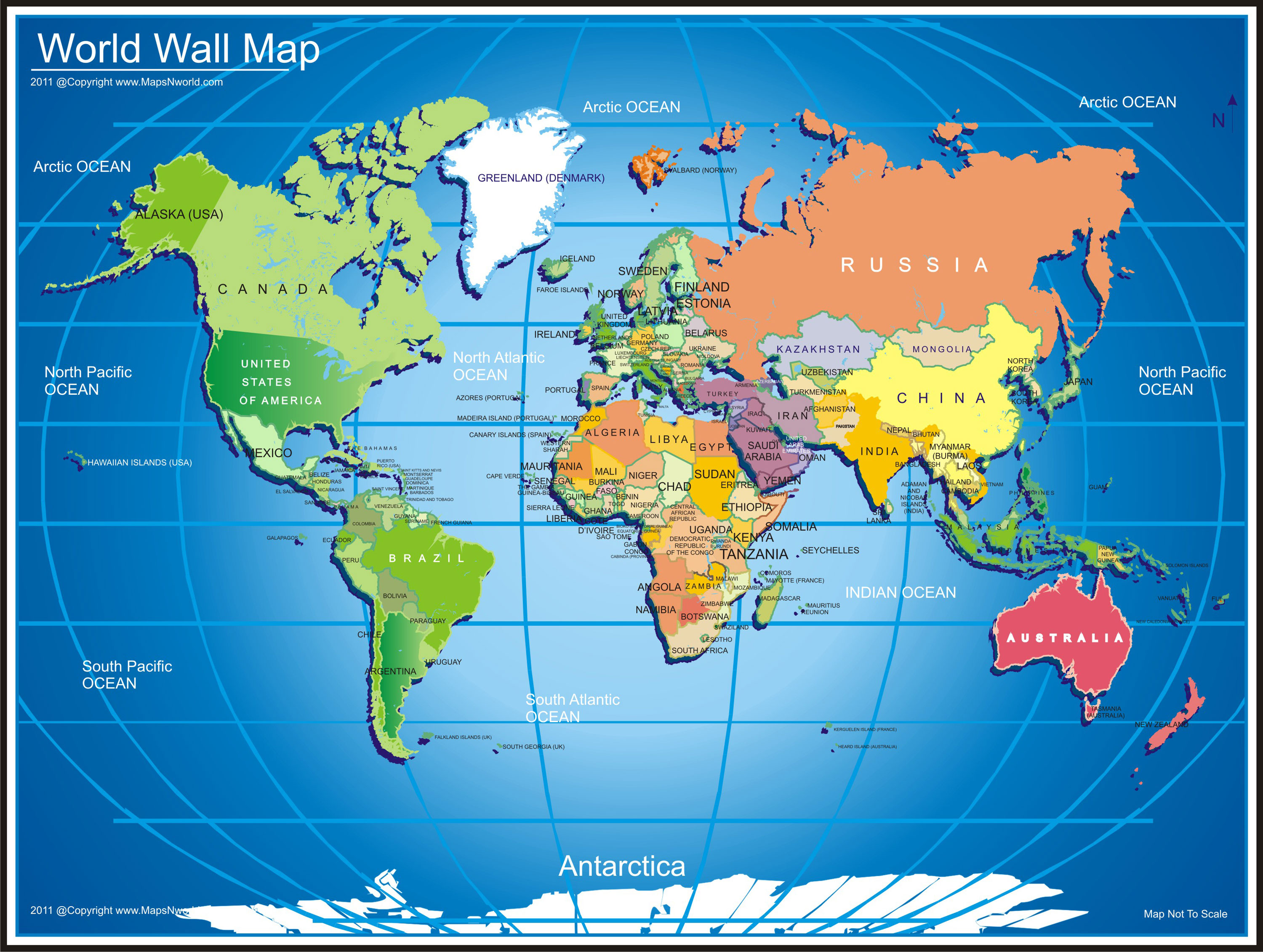
Senior Iranian figures have signaled that a renewed campaign by the US or its allies will trigger a drastically different response. Tehran has reportedly instructed allied groups across Lebanon, Iraq, and Yemen to prepare for immediate, coordinated action. More importantly, military planners are no longer limiting their theoretical strike zones to West Asia. Threats now explicitly include international assets and allied infrastructure further abroad, raising the stakes for global security and energy markets.
The Economic Shocks of a Closed Strait
You can't talk about this escalation without looking at the Strait of Hormuz. It's the jugular vein of global energy flow, and it has turned into a permanent flashpoint. Iranian leadership has repeatedly indicated that the waterway won't simply return to business-as-usual even if a temporary quiet settles over the region.
An ongoing economic blockade by Washington meant to starve Tehran's financial reserves has driven Iran to lean hard into asymmetric warfare. Shipping companies are dodging routes, insurance premiums for cargo vessels are skyrocketing, and energy markets remain permanently jittery. Tehran is betting that inflicting widespread economic pain will eventually force a recalculation in Western capitals—even if it means enduring severe domestic hardship along the way.
Domestic Crackdowns Behind the War Footing
External posturing always has an internal price. As the threat of renewed conflict grows, the Iranian government has tightened its grip at home. Human rights organizations point to a sharp spike in arrests, hurried trials, and executions under the banner of national security.
The regime is terrified of wartime dissent. By framing every internal challenge as foreign subversion, state security apparatuses are moving swiftly to crush civil disobedience before it can gain momentum. It’s a classic playbook: external enemies create the excuse for internal tightening.
Where This Leaves Global Markets and Security
Nobody wins a war of attrition, but both sides are convinced they can outlast the other. Washington is banking on maximum economic pressure to fracture the regime, while Tehran is gambling that regional escalation and energy disruptions will become too costly for the West to sustain.
Keep an eye on maritime freight costs, emergency energy reserves, and diplomatic signals coming out of secondary capitals like Doha or Cairo. This standoff isn't winding down; it's hardening into a long-term fixture of international politics. Prepare your supply chains and portfolios for continuous volatility.