Geography is a cruel architect. It places mountains where borders should be, cuts rivers through ancient trade routes, and anchors small, strategic patches of earth right in the path of colliding empires. For generations, the southeastern corner of Europe has played this uncomfortable role. It is a bridge of cobblestone and coast, connecting the ambitions of the West with the restless energy of the East. Walk down the old stone quays of these coastal towns at dawn, and you can smell the salt, the pine, and the quiet, heavy tension of a room where everyone is waiting for someone else to move first.
The maps in military command centers do not show the smell of salt or the sound of morning church bells. They show vectors. They show shipping lanes carrying crude oil, digital fiber-optic cables resting on the cold seabed, and narrow straits where a single blocked cargo ship can starve factories a thousand miles away. When foreign capitals look at this region, they do not see quiet fishing villages or ancient olive groves. They see a chokepoint. They see the soft underbelly of a continent that assumes its peace is permanent. Meanwhile, you can explore related developments here: Why Everything You Know About Conflict Minerals is Entirely Backwards.
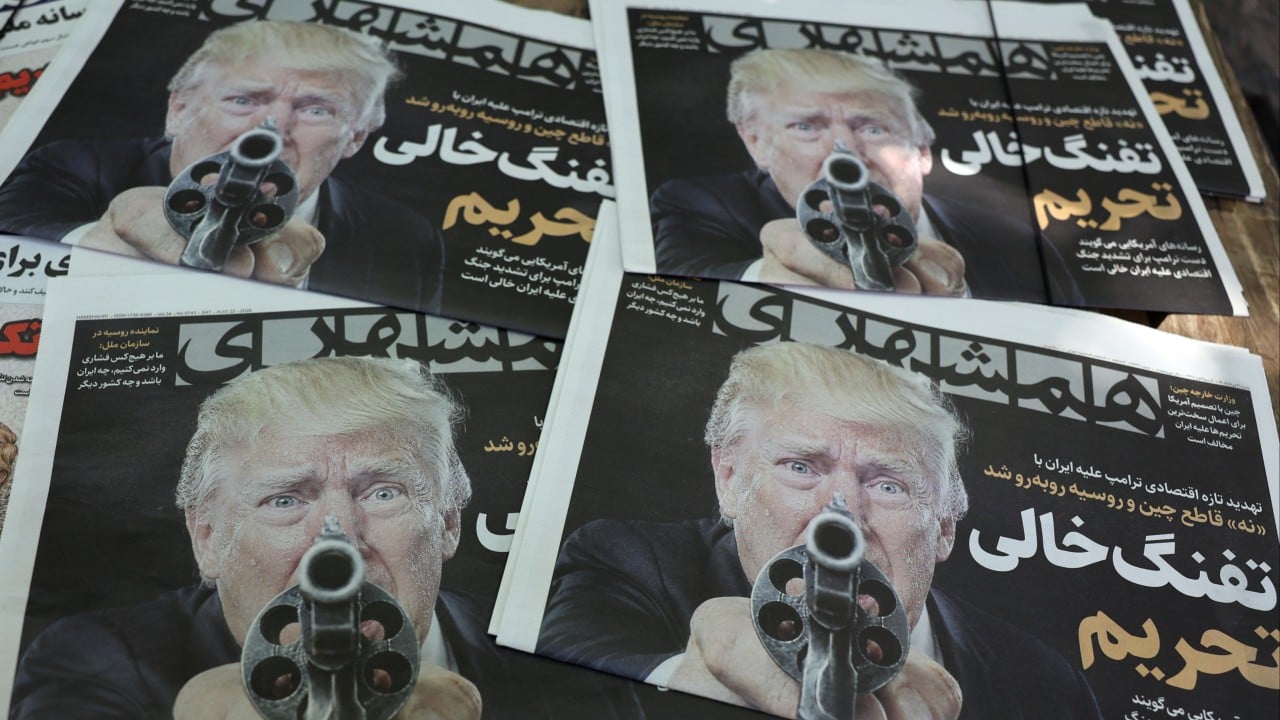
Tehran has watched this geography shift for years. As economic isolation bites deep and domestic pressures mount, the calculus in foreign ministries changes. When a state feels the walls closing in, it looks for levers. It looks for ways to project power beyond its borders, not necessarily through total war, but through shadow, pressure, and the quiet manipulation of vulnerable corridors. The southeastern frontier of Europe—with its fractured politics, its overlapping energy grids, and its heavy reliance on imported stability—presents an irresistible target for indirect leverage.
Consider what happens next in a scenario where diplomatic channels freeze entirely. Intelligence analysts tracking maritime telemetry notice strange anomalies near critical underwater infrastructure. It is not an overt invasion. It is something much harder to fight. It is the sudden, unexplained cutting of a data cable. It is the rhythmic jamming of GPS signals that blinds commercial cargo captains navigating the narrow coastal channels. These are the modern tools of regional coercion. They leave no footprints, yet they paralyze trade and send tremors through financial markets from Frankfurt to London. To see the complete picture, we recommend the excellent report by The Washington Post.
The danger is not just physical; it is psychological. Europe has spent decades building a fortress of rules, regulations, and comfortable assumptions. People walk through sunlit plazas believing that history ended in the nineties. But history has a habit of returning through the back door. When foreign actors begin testing the air defense radiowaves or funding political factions dedicated to paralysis, the friction is felt immediately by ordinary citizens whose heating bills double or whose local ports suddenly sit empty of foreign tourists.
This is the hidden cost of geopolitical friction. It trickles down from high-altitude diplomacy into the local bakery, the fuel pump, and the anxiety of a mother wondering if the brewing disputes across the sea will pull her children into something darker. The southeastern frontier is holding the line, but the line is fraying under the weight of competing ambitions.
The quiet hum of the sea remains uninterrupted for now. Waves crash against the ancient sea walls, indifferent to the treaties signed in marble halls or the threats whispered over encrypted lines. Yet the air feels heavier than it did a decade ago. Every nation sharing this coast knows that the margin for error is shrinking. The storm on the horizon is not coming with drums and banners. It is arriving in whispers, in cyber shadows, and in the cold realization that the distance between peace and chaos is measured only by the strength of the bridge we choose to defend.