The global economy is currently operating on a delay, a deceptive calm that obscures the massive inflationary wave gathering in the Persian Gulf. While current consumer price indices have yet to reflect the full weight of the February 28 outbreak of hostilities between the U.S., Israel, and Iran, the structural damage is already done. The immediate closure of the Strait of Hormuz has removed nearly 20% of the world’s petroleum liquids and one-fifth of global liquefied natural gas (LNG) from the market. This is not a regional skirmish; it is a systemic shock three to five times larger than the 1973 energy crisis.
The Lag and the Leak
Economic data is a lagging indicator by nature, and that lag is currently providing a false sense of security for Western consumers. While oil prices have already vaulted past $120 per barrel, the transmission to the "real economy"—the price of a gallon of milk in Ohio or a plastic component in a German factory—takes between eight and twelve weeks.
We are currently in the "inventory buffer" phase. Strategic reserves and existing shipments already at sea are masking the hole in the global supply chain. However, once those tankers dock and their contents are consumed, the replacement cost will hit like a sledgehammer. For the first time in history, the Strait of Hormuz is effectively a dead zone. The World Trade Organization (WTO) estimates that this blockade has stalled not just energy, but 11% of all global trade.
The primary mechanism for this disaster is force majeure. Major energy players, including QatarEnergy, have officially declared their inability to fulfill contracts. This triggers a domino effect:
- Fertilizer shortages: 20% to 30% of global fertilizer exports pass through the Strait. Without them, 2026 harvest yields in South Asia and South America will crater.
- Manufacturing bottlenecks: The region produces 40% of the world's helium, an essential component for semiconductor cooling.
- Freight spikes: Shipping insurance premiums have surged by over 40% in three weeks, costs that will be passed directly to the consumer by early summer.
Central Bank Paralysis
The European Central Bank (ECB) and the Federal Reserve are trapped. Just weeks ago, the narrative was one of easing; 2026 was supposed to be the year of the rate cut. That dream died in the Gulf. On March 19, the ECB held rates steady at 2%, but the internal chatter has shifted toward hikes.
Central bankers are staring at a "supply-side shock" that they cannot fix with interest rates. Raising rates won't open a shipping lane, but failing to raise them risks letting energy-driven inflation become permanent. The U.S. Federal Reserve faces a similar dilemma, complicated by a $38.8 trillion national debt. Every 1% increase in interest rates to combat war-time inflation adds hundreds of billions to the federal deficit, effectively forcing the government to choose between a currency crisis and a growth collapse.
The Asymmetric Burden
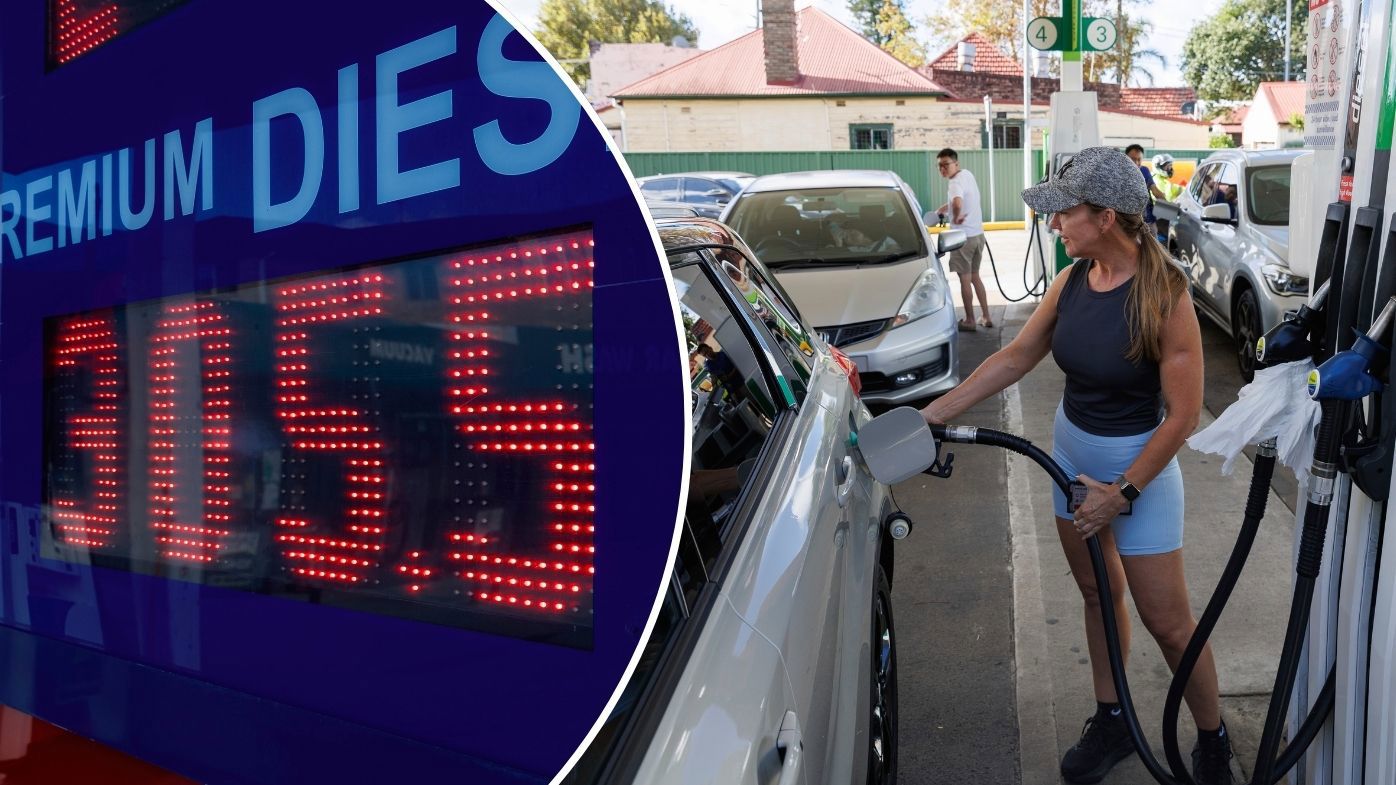
While the United States is now a net energy exporter, it is not immune. The "energy-intensive" nature of the American lifestyle means that even a moderate rise in pump prices erodes discretionary spending. Historically, real consumption begins to decline approximately 60 to 90 days after an oil shock. This places the peak of the domestic economic pain squarely in the middle of the 2026 midterm election cycle.
Europe and Asia are in far more precarious positions.
- Asia: Roughly 80% of oil transiting the Strait is destined for Asian markets. Countries like Vietnam and Pakistan are currently operating on less than 20 days of fuel reserves.
- Europe: Having barely recovered from the 2022 energy pivot, the loss of Qatari LNG is catastrophic. European gas storage levels were already at a precarious 30% following a harsh winter.
The Illusion of Resilience
Many analysts point to the 8.4% average rise in the S&P 500 in the year following major conflicts. This is a dangerous misreading of the current situation. Previous conflicts—the 1990 Gulf War or the 2003 invasion of Iraq—did not involve the total closure of the world’s most vital energy chokepoint.
The "war premium" is currently estimated at a modest $4 to $30 per barrel depending on the analyst. This is far too low. It assumes a quick diplomatic resolution that the current political climate does not support. If the Strait remains closed through the second quarter, we are no longer looking at a "market correction." We are looking at a fundamental re-pricing of global life.
The immediate action for any firm or investor is to move past "wait and see." The data you see today is a ghost of the pre-war world. The reality of the conflict will filter into the numbers by May, and by then, the opportunity to hedge will have vanished.