Consider an analyst sitting in a windowless room in Ottawa, staring at a flashing cursor on a secure terminal. Across the ocean, thousands of miles away, foreign state actors are reshaping global supply chains, orchestrating covert cyber operations, and shifting geopolitical chess pieces that will soon dictate the price of wheat, energy, and security in North America. The analyst needs to see the whole picture. Yet, by design, the law ties one hand behind their back.
Canada occupies a peculiar position on the global stage. We are a G7 nation, a founding member of NATO, and an active partner in the Five Eyes intelligence alliance alongside the United States, the United Kingdom, Australia, and New Zealand. We share intercepted signals and global warnings over breakfast coffee. But when it comes to independent, boots-on-the-ground foreign intelligence collection overseas, our legal architecture remains frozen in a domestic mindset.
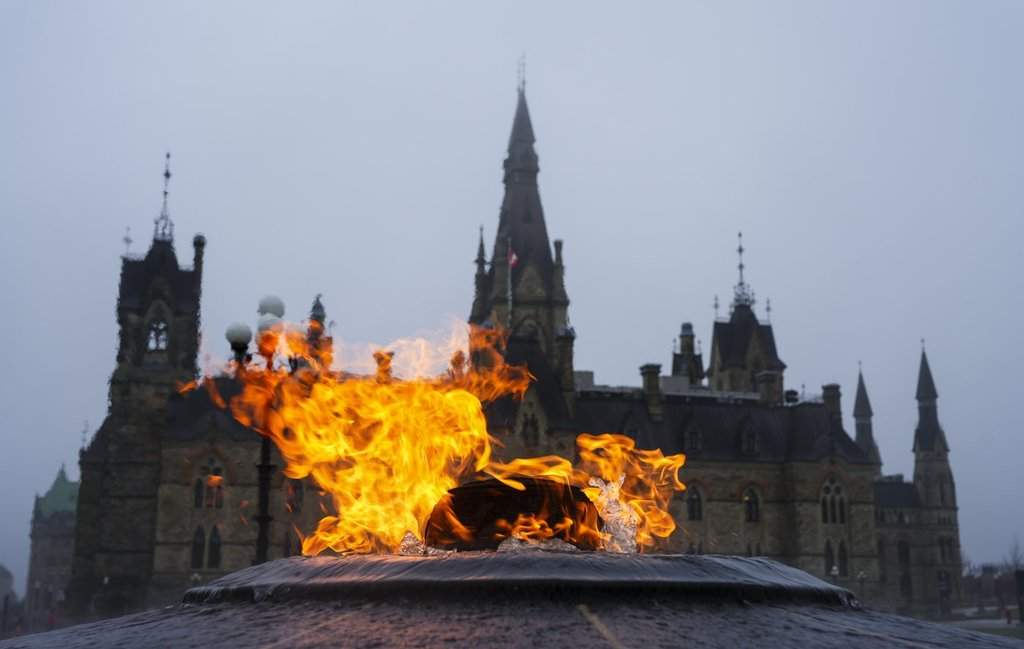
Members of Parliament and senators are currently staring directly into this anomaly. Behind closed committee doors on Parliament Hill, parliamentarians are scrutinizing the statutory boundaries that govern how—and where—Canada gathers its secrets. The tension is not merely bureaucratic. It exposes a profound existential question for a middle power navigating a volatile world: Can a country protect its citizens at home while remaining legally blind to the threats brewing beyond its borders?
To understand the friction, look at the mandate of the Canadian Security Intelligence Service (CSIS). Created in 1984 to separate domestic law enforcement from intelligence gathering, CSIS was explicitly built to look inward while occasionally peering outward. Under the law, the service is permitted to investigate security threats such as terrorism, espionage, and foreign interference. But there is a glaring geographic quirk. CSIS is allowed to gather foreign intelligence—defined as information concerning the capabilities, intentions, and activities of foreign states and entities—only within Canada.
Think about that constraint for a moment. An intelligence officer can collect foreign intelligence on Canadian soil, but if they step across the border to recruit a source or intercept communications in a foreign capital where a threat originates, the legal authority evaporates. Federal court rulings have repeatedly reinforced a strict line: information located physically outside Canada cannot be directly collected by CSIS from within domestic borders under standard foreign intelligence authorities.
We rely heavily on our allies to fill the void. If Washington, London, or Canberra catches wind of a plot targeting Canadian interests, we trust that they will slide the file across the table. For decades, that arrangement functioned as a convenient bargain. It saved money, avoided diplomatic blowback, and spared Ottawa the messy moral hazards of running a dedicated overseas human intelligence service.
That comfort zone is shrinking.
Global politics has grown ruthlessly transactional. Alliances shift with electoral cycles, and economic security has become indistinguishable from national security. When supply chains freeze, when foreign actors manipulate domestic political discourse through sophisticated cyber campaigns, and when economic espionage targets proprietary Canadian green tech and artificial intelligence research, borrowing someone else's telescope is no longer enough. Allies have their own priorities. Sometimes, their blind spots are ours, too.
This reality has forced MPs and senators to reopen a debate that Ottawa has historically avoided out of political timidity: Does Canada need its own dedicated foreign intelligence service, or a significant expansion of overseas authorities?
Critics of expansion raise valid, sobering concerns. Intelligence agencies that operate in the shadows overseas inevitably court scandal. Overreach, collateral diplomatic damage, and the erosion of civil liberties are constant hazards. A rogue operation in a distant time zone can trigger international incidents that reverberate straight back to Ottawa. Furthermore, building a robust foreign intelligence apparatus requires a heavy financial investment and a culture of institutional secrecy that sits uneasily with Canada's parliamentary traditions.
Yet, the cost of inaction is quietly compounding. When foreign actors meddle in democratic institutions, or when hostile states weaponize economic dependencies, reacting after the fact is a recipe for perpetual vulnerability. Intelligence is not just about catching spies; it is about foresight. It is the raw material of national autonomy. Without independent visibility into foreign capitals, Canada risks becoming a spectator to its own future.
The debate unfolding in parliamentary committees is messy, uncomfortable, and long overdue. It forces a polite nation to confront the unvarnished mechanics of modern survival. The world outside our borders is no longer a distant abstraction governed by treaties and goodwill. It presses directly against our digital doors and economic boundaries every single day.
The cursor keeps blinking on the screen in Ottawa. The analyst waits for clarity. And the lawmakers holding the magnifying glass must decide whether Canada is finally ready to look the rest of the world directly in the eye.