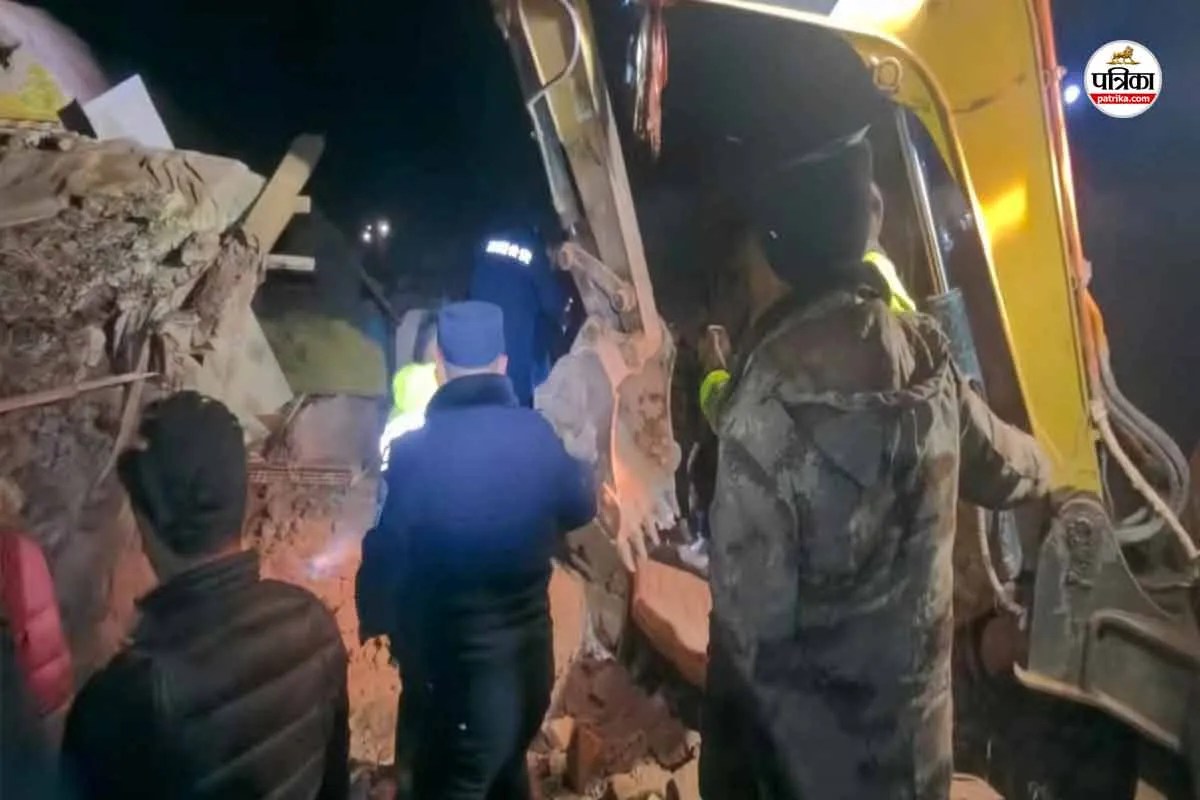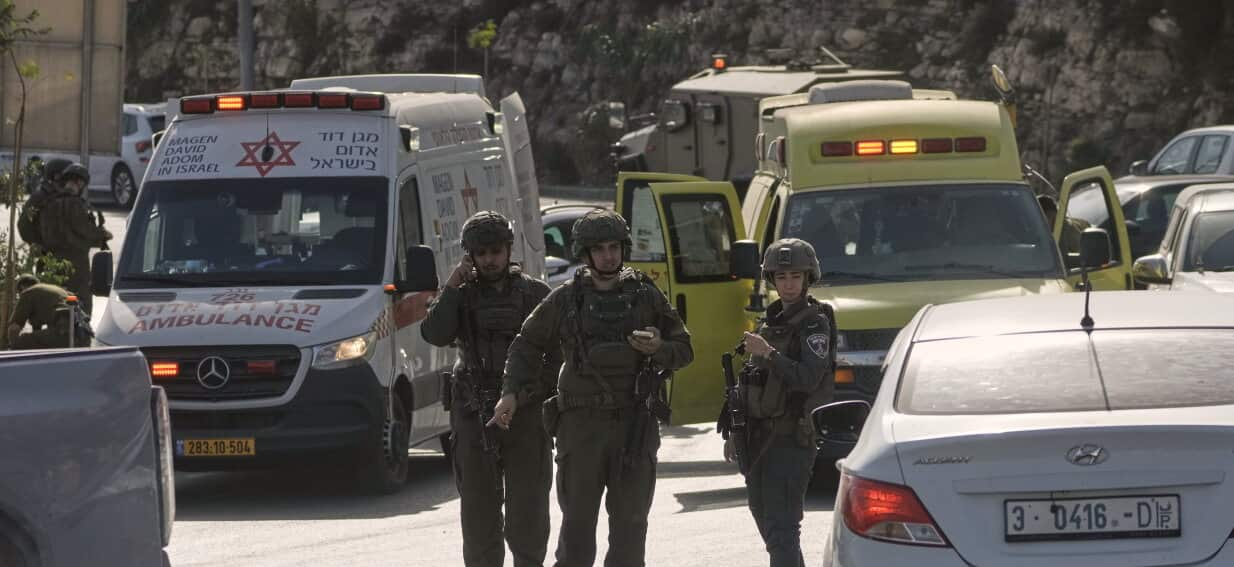
Security measures across the occupied West Bank changed dramatically following a lethal escalation in Hebron. Two Israeli soldiers lost their lives during an armed assault at a military checkpoint, triggering an immediate response from Prime Minister Benjamin Netanyahu's security cabinet.
The government ordered a strict territorial closure, locking down Hebron and surrounding areas while security forces stepped up operations. Officials reported that the two Palestinian gunmen involved in the attack were killed at the scene. According to the Israel Defense Forces, a large cache of ammunition was recovered from the vehicle used by the attackers, pointing toward plans for a wider-scale incident.
The Immediate Security Response
Emergency meetings convened swiftly in Jerusalem. Defense chiefs, intelligence heads, and military commanders evaluated the threat level, leading to the full cordon of the affected sectors. Movement restrictions instantly choked local transit routes, trapping commuters and halting routine commercial activity. Checkpoints tightened vehicle inspections, causing massive backups as the military searched for potential accomplices or hidden contraband.
Humanitarian agencies monitoring the region quickly raised alarms about the wider impact of these restrictions. Blanket closures routinely disrupt medical access, schooling, and daily livelihoods for thousands of local residents who have no connection to the violence. International bodies urged restraint, pointing out that sweeping movement bans often escalate existing tensions on the ground rather than dampening them.
Wider Implications for the Region
This flashpoint highlights the fragile security landscape defining the West Bank. Clashes, targeted raids, and checkpoint confrontations have steadily increased, pushing casualty counts higher for both sides over recent months. When high-profile security personnel are killed, political pressure mounts instantly inside Israel for a heavy-handed military reaction.
Netanyahu hinted at an expanded offensive, signaling that regular patrols might give way to intensive, prolonged counter-terrorism sweeps. For residents living under occupation, these announcements mean weeks or months of curfews, economic stagnation, and heightened anxiety.
The immediate fallout remains contained to reinforced checkpoints and heightened patrols, but the underlying friction points ensure that the region stays on edge. The path forward depends entirely on whether security forces can neutralize immediate threats without triggering a broader wave of unrest across the entire territory.
Israel imposes full closure of occupied West Bank after ...
This video provides footage and reporting on the military checkpoint closure and the security response in Hebron following the deadly attack.