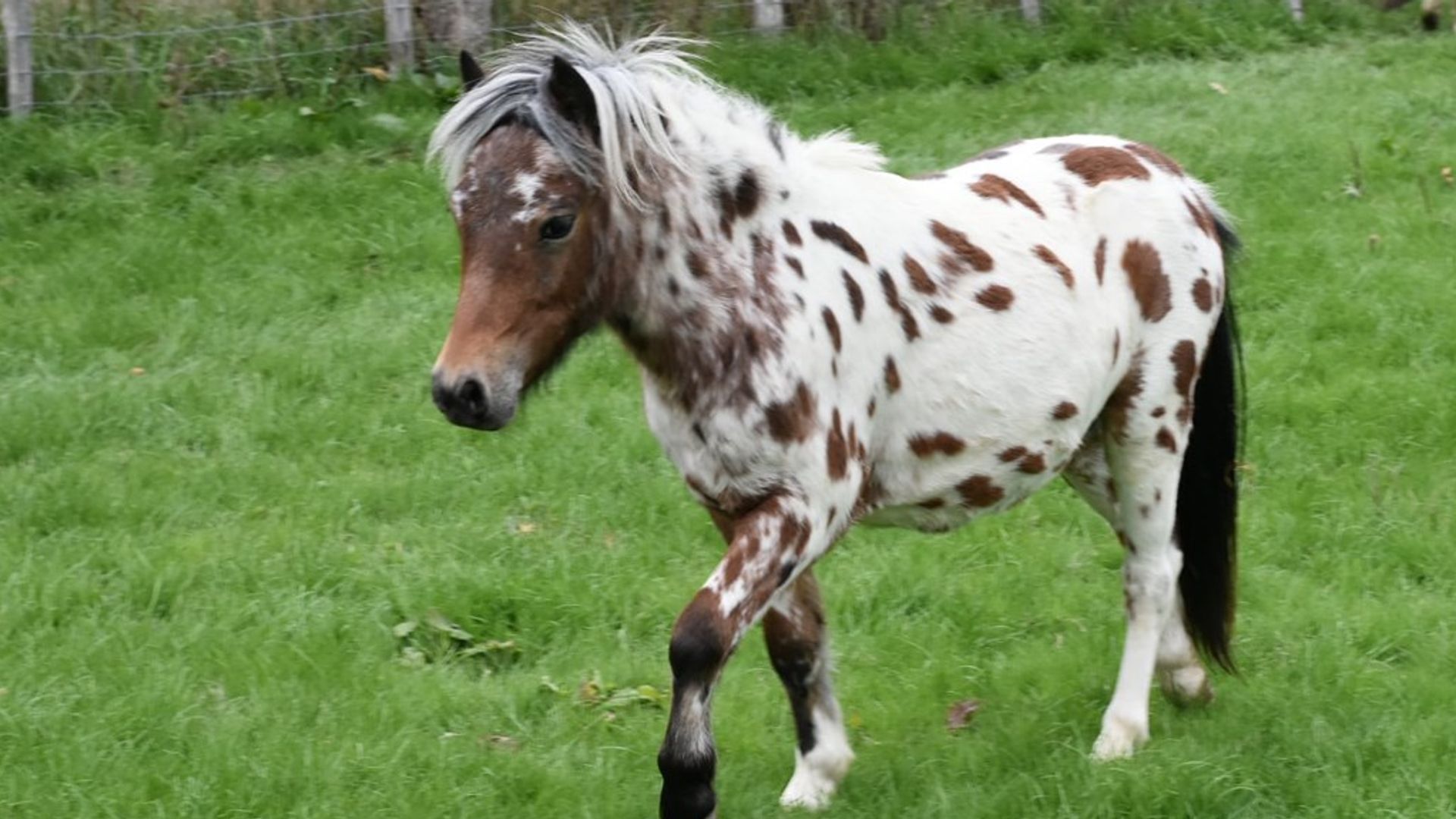
The targeted theft of rare miniature horses is exposing a highly sophisticated, multi-million-dollar illicit livestock trade operating right under the noses of rural law enforcement. While the mainstream media often treats these incidents as bizarre local oddities, the reality is far more calculated. High-value, pedigree miniature horses are being systematically stripped from private properties, laundered through compromised auctions, and resold to unsuspecting buyers across borders.
Rural police departments are struggling to keep pace with these specialized criminal networks. Investigators frequently lack the training and cross-jurisdictional resources required to track livestock across state and national lines. To understand why miniature horses have suddenly become prime targets for organized theft rings, one must look past the novelty of the animals and examine the brutal economics of the high-end exotic pet and specialized breeding markets.
The Economics of a Micro Livestock Boom
A common misconception is that miniature horses are merely oversized family pets. They are not. The elite tier of the miniature horse market involves bloodlines that command five-figure sums, with elite breeding stallions and show-quality mares fetching premium prices.
Because these animals are small, they are incredibly easy to transport. A thief does not need a heavy-duty truck and a massive commercial livestock trailer to steal a miniature horse. A standard cargo van or an enclosed utility trailer is more than sufficient. This low barrier to entry, combined with the high street value of the animals, creates a perfect storm for opportunistic and organized criminals alike.
The financial incentive extends beyond the initial sale. Unlike full-sized thoroughbreds, which require extensive acreage, specialized facilities, and massive caloric intake, miniature horses have a remarkably small footprint. They cost significantly less to feed and maintain, making them highly liquid assets in the underground agricultural economy. A stolen miniature horse can be hidden in a suburban backyard or a small rural plot for weeks without drawing the attention that a full-sized horse would naturally attract.
How the Agricultural Black Market Launders Livestock
Stealing the animal is only the first step in a broader criminal enterprise. The real challenge for these syndicates lies in converting a highly recognizable, microchipped, or registered animal into clean cash.
Criminal networks rely on specific vulnerabilities in the agricultural supply chain to launder stolen livestock.
- The Unregulated Auction Loophole: While major breed registries require strict DNA verification and microchip scanning, hundreds of smaller, low-tier livestock auctions operate with minimal oversight. In these environments, cash is king, and paperwork is frequently fabricated or ignored entirely.
- The Digital Backyard: Online classifieds and unregulated social media marketplaces have revolutionized the way stolen animals are moved. Thieves can create burn accounts, post listings in regional buy-and-sell groups, flip the animal for a discount, and delete the profile within forty-eight hours.
- Cross-Border Smuggling: Once an animal crosses state lines, the trail often goes cold. Brand inspection laws vary wildly by jurisdiction. Some states require strict proof of ownership and health certificates for transport, while neighboring states may have virtually no enforcement mechanisms on their secondary highways.
Consider a hypothetical scenario where a rare, registered American Miniature Horse is taken from a farm in Ohio. Within six hours, the animal can be driven across state lines into a jurisdiction that does not mandate brand inspections. The thieves can forge a simple bill of sale, list the animal on a digital marketplace as an unregistered "pasture pal" for a fraction of its true value, and sell it to an innocent buyer who believes they are getting a bargain. By the time the rightful owner discovers the theft, the physical evidence is gone, and the paper trail is non-existent.
The Failure of Modern Rural Policing
Law enforcement agencies in rural sectors are facing an uphill battle. Decades of budget cuts have left sheriff departments understaffed, with deputies covering hundreds of square miles of territory. When a high-value miniature horse disappears, it is often initially logged as a simple property crime or a case of a loose animal rather than a coordinated theft.
Most local police officers are trained to handle property theft involving vehicles, electronics, or firearms. They rarely possess the specialized knowledge required to identify specific horse breeds, distinguish between everyday stock and elite bloodlines, or locate hidden microchips. Furthermore, the lack of a centralized, national database for stolen livestock means that a deputy in one state has no easy way of knowing if a suspicious trailer full of miniature horses matches a theft report from three states over.
This systemic blind spot allows criminal syndicates to operate with a high degree of confidence. They know that if they can successfully move the animal off the immediate property without being caught on a trail camera, the odds of the police tracking them down are remarkably low. The burden of investigation almost entirely shifts to the victims, who are forced to scour online forums, visit regional auctions in person, and offer cash rewards in a desperate bid to recover their stock.
Protecting High Value Assets in a Vulnerable Landscape
Relying on traditional fencing and a watchful eye is no longer enough to deter professional livestock thieves. As the black market value of these animals remains high, owners must adopt the same security protocols used by high-end commercial enterprises.
Physical security must be upgraded from basic agricultural fencing to active deterrent systems. Perimeter gates should be secured with heavy-duty, tamper-proof locks rather than simple chains. Solar-powered, cellular-linked security cameras positioned at all entry and exit points provide real-time alerts and ensure that footage is backed up to the cloud even if the physical hardware is destroyed by intruders.
Subcutaneous microchips are the most effective tool for permanent identification, but they are only useful if someone scans them. Owners should ensure their animals are microchipped and registered across multiple national databases. Additionally, capturing distinct physical markings, freeze-branding, or maintaining updated DNA profiles with breed registries can provide irrefutable proof of ownership if a stolen animal is eventually located at an auction or a private residence.
The rise in miniature horse theft is not a series of isolated, quirky crimes. It is a direct reflection of a sophisticated underground market that exploits the gaps in rural law enforcement and agricultural regulation. Until the legal and enforcement mechanisms treating livestock theft are modernized to match the sophistication of the thieves, the vulnerability of these high-value animals will remain a lucrative target for organized crime. Owners must take immediate, proactive steps to fortify their properties, secure their herds, and eliminate the easy opportunities that these criminal networks rely on to survive.