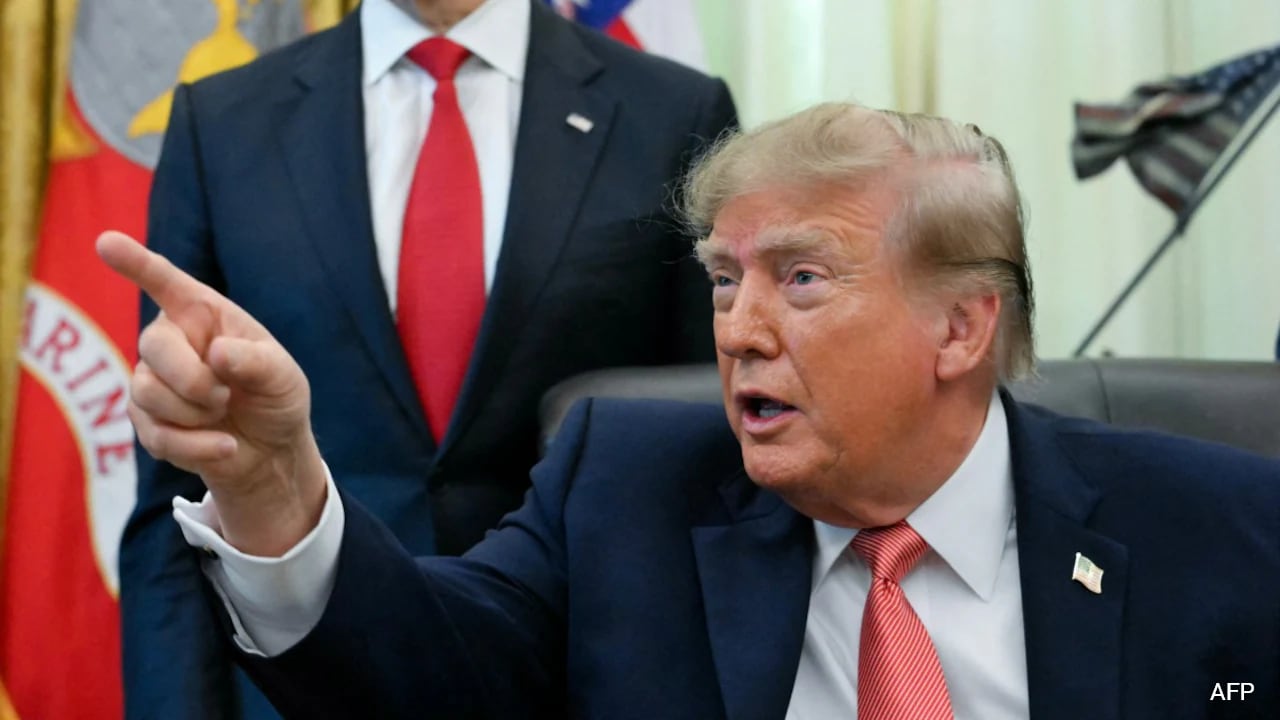
When Zohran Mamdani joins Hindu New Yorkers to mark Navratri in the wake of a reported Illinois temple shooting plot, the moment looks like textbook urban solidarity. A prominent political figure stands beside faith leaders. Cameras flash. Speeches invoke unity against bigotry. Yet behind the celebratory optics sits a much harder question that municipal politics rarely answers: what happens when cultural celebration becomes a stand-in for physical security and sustained coalition building?
Festivals do not stop bullets. Press releases do not harden doors. Meanwhile, you can find other developments here: Why Anti-Muslim Hate Keeps Climbing While Leaders Shrug.
Anyone who has covered municipal affairs and interfaith politics over the past twenty years knows the rhythm of these moments. A threat surfaces hundreds of miles away—in Illinois, in California, in the Midwest or the Northeast—and ripples immediately into local houses of worship. Suddenly, city officials attend cultural gatherings with heightened urgency, pledging to stand against hate. Worshippers appreciate the visibility, especially when fear is circulating in group chats and temple board meetings. Still, visibility alone does not resolve the structural vulnerabilities facing minority faith institutions across American cities.
Why Solidarity Gatherings Often Miss the Hard Mechanics
Solidarity events serve a real social purpose. They signal that a community is seen rather than ignored during a moment of anxiety. When Hindu New Yorkers gather for Navratri—a nine-night observance honoring feminine divine energy through fasting, prayer, music, and dance—the atmosphere is ordinarily defined by devotion and family life rather than threat assessments. When a plot targeting a temple elsewhere enters the news cycle, that mood shifts. A routine celebration carries an unspoken weight. To understand the full picture, we recommend the recent report by The Washington Post.
Politicians naturally gravitate toward cultural milestones because those settings offer an obvious stage for reassurance. A speech condemning anti-Hindu bias or religious violence is easy to deliver in front of a crowd. Building lasting institutional protection is far slower, less photogenic, and full of bureaucratic friction.
Consider a hypothetical example of how a local congregation responds after hearing about a foiled plot in another state. Suppose a neighborhood temple in Queens or Long Island hosts several hundred people on a weekend evening during Navratri. Trustees look around the parking lot and the main hall and start asking practical questions. Are the side doors properly alarmed? Does the security camera system have blind spots near the courtyard? Who actually has the phone number of the local precinct's community affairs officer, and is that contact current?
Those questions rarely get solved at a festival podium. They require follow-through long after the cameras pack up.
The Gap Between Rhetoric and House of Worship Security
In major metropolitan areas, temple security sits at an awkward intersection of civil rights, municipal policing, and nonprofit governance. Unlike large corporate campuses or major sports arenas, many local temples operate on modest budgets with volunteer leadership. A congregation may have deep cultural ties and strong fundraising drives for building projects or community kitchens, yet struggle to pay for licensed unarmed guards, reinforced glass, or regular active-threat drills.
At the same time, faith-based security in the United States carries political sensitivities that vary sharply from neighborhood to neighborhood. Some community members welcome visible police patrols outside during major holidays. Others worry about over-policing, profiling, or strained trust between residents and law enforcement. Navigating that tension requires nuance rather than slogans.
Grant programs exist at state and federal levels to help nonprofits pay for physical security upgrades, from bollards and access control to alarm systems. In practice, smaller religious organizations often find the paperwork daunting. Applying for competitive security grants takes time, technical language, and administrative capacity that a part-time administrator or rotating board of volunteers may lack. When city officials show up at a celebration, the most useful thing they can offer is not just moral support, but hands-on navigation through those funding and safety channels.
Coalitions Under Pressure in Diverse Cities
New York City is a crucible for multi-ethnic and multi-faith politics, where voters hold overlapping identities and sharp disagreements on global and local issues. A figure like Zohran Mamdani, operating in a crowded, high-stakes political environment, has to speak to constituencies with different histories and expectations. Standing with Hindu New Yorkers during Navratri after an Illinois temple shooting plot is a clear attempt to bridge a potential rift and affirm that anti-Hindu hatred has no place in civic life.
Real coalitions, however, are tested on ordinary Tuesdays, not only during high-profile holidays. A durable relationship between a politician and a faith community depends on whether concerns are taken seriously when they are inconvenient or complicated. It depends on listening when community members talk about vandalism, online harassment, or threats directed at temples, while also maintaining consistent standards against hatred across every group in the city.
Skepticism among voters is not always cynicism; often it is pattern recognition. Communities that have heard vows of solidarity before—and then watched attention drift once the news cycle moved on—naturally measure leaders by consistency over time.
| Dimension | Symbolic Solidarity | Operational Protection |
|---|---|---|
| Primary goal | Public reassurance and moral condemnation of hate | Practical risk reduction and rapid response readiness |
| Typical setting | Holiday gatherings, rallies, photo opportunities | Site walkthroughs, grant workshops, precinct coordination |
| Time horizon | Immediate news cycle | Multi-year institutional habit |
| Main limitation | Fades quickly once headlines shift | Requires funding, training, and sustained follow-up |
What Real Accountability Looks Like After the Applause
If leaders want Navratri and every other religious observance to feel genuinely safe rather than merely symbolic, the measure of success is straightforward. It shows up in concrete habits. It shows up when city agencies help congregations audit entry points without charging prohibitive fees or turning safety into a bureaucratic maze. It shows up when emergency communication lines between houses of worship and local officials are tested before a crisis rather than improvised during one.
It also shows up in how honestly officials talk about threats. Plots like the reported Illinois temple shooting plot remind everyone that extremist violence does not respect state lines or political talking points. Treating temple security as a core pillar of urban safety—alongside transit reliability, fire codes, and emergency response—moves the conversation from performance to competence.
Words matter when people feel unsafe. Follow-through is what keeps them safe when the crowd goes home.