The U.S. Treasury Department has just moved to sever the primary financial arteries sustaining Tehran’s military machine, blacklisting 35 entities and individuals central to a multi-billion dollar "shadow banking" network. This is not merely another round of bureaucratic paperwork. It is a targeted strike on the rahbar companies—sophisticated private management firms that act as the clandestine nervous system for sanctioned Iranian banks. By freezing these assets, Washington aims to choke off the tens of billions of dollars in illicit oil revenue that fuels the Islamic Revolutionary Guard Corps (IRGC) and its regional proxies.
While previous sanctions focused on the ships carrying the oil, this latest escalation under "Operation Economic Fury" goes after the accountants and the shell company architects who make those shipments profitable. These networks do more than just hide money. They provide Iran’s armed forces with a back door into the international financial system, allowing them to purchase sensitive missile components and fund drone production while bypasssing the global banking gaze. You might also find this similar story useful: The Senate Did Not Save Cuba—They Just Outsourced the Trigger.
The Rahbar Mechanism and the Art of the Shell Game
To understand how Tehran moves money, one must look past the sovereign state and into the world of the rahbars. These are ostensibly private entities that manage vast webs of overseas shell companies on behalf of sanctioned Iranian institutions like Bank Melli and Shahr Bank. They operate as a parallel financial reality. When an Iranian state oil company sells crude to a foreign buyer, the money does not go to a central bank in Tehran. It flows through a maze of front companies in jurisdictions with lax oversight, eventually landing in accounts that appear, on the surface, to be legitimate commercial entities.
The Treasury’s latest action specifically targets the rahbar networks of several prominent institutions, including Bank Sina and Bank Sepah. These banks are not just commercial lenders. They are the primary financiers for Iran’s ballistic missile program. By designating firms like Farab Soroush Afagh Qeshm Company (FSAQ), the U.S. is identifying the specific nodes that manage the "toll" payments and currency exchanges required to keep the regime solvent. As discussed in recent coverage by Al Jazeera, the results are worth noting.
The United Kingdom Connection
Perhaps the most startling revelation in this investigative sweep is the degree to which these networks have penetrated Western financial hubs. Shuqun LTD, a company based in the United Kingdom, was identified as a primary conduit for these illicit flows. Throughout 2024, this single entity facilitated over $70 million in payments for Iranian crude oil on behalf of the National Iranian Oil Company (NIOC).
The use of British and Swiss financial systems highlights a critical vulnerability. Iran is no longer relying solely on "dark" jurisdictions in the Middle East or Southeast Asia. Instead, it is using the prestige and stability of European corporate registries to mask its footprints. The Treasury's message to global financial institutions is blunt: your compliance departments are failing to catch the ghosts in the machine.
Tolls and the Strait of Hormuz Stranglehold
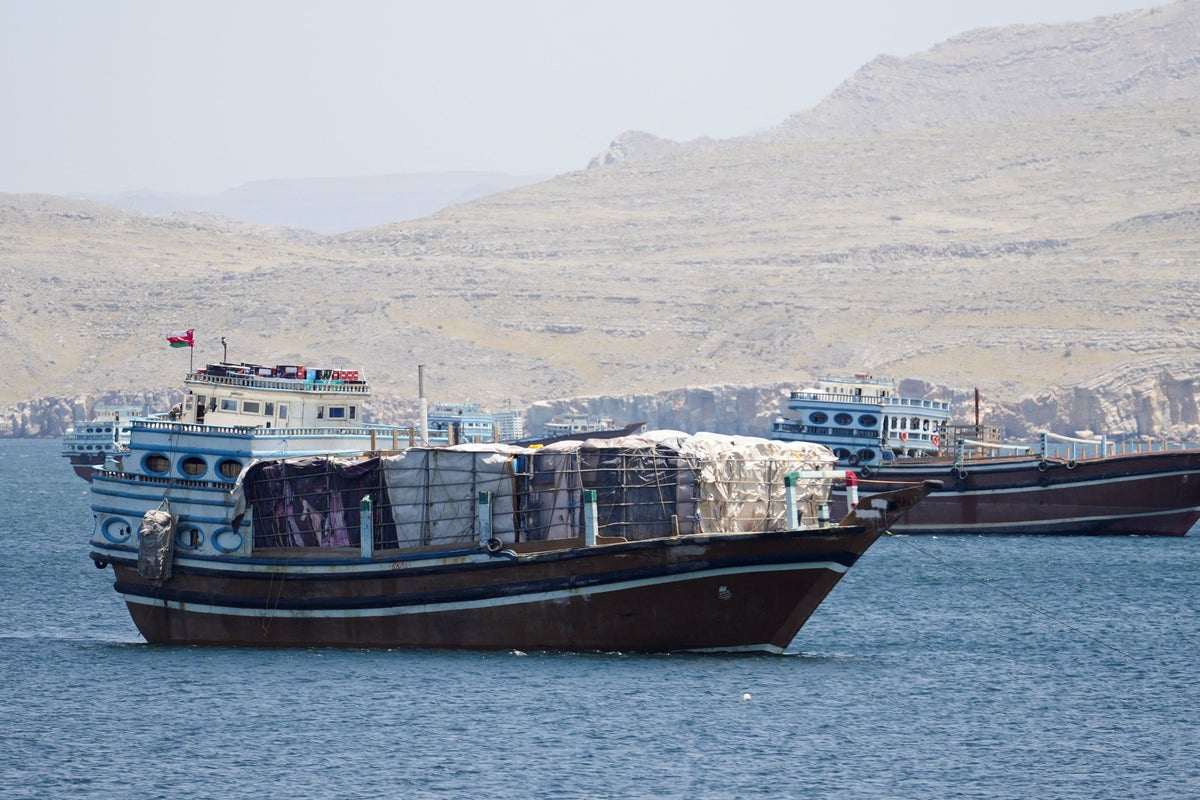
A new and aggressive component of this strategy involves the Strait of Hormuz. For years, Iran has extracted "transit fees" or "toll payments" from vessels navigating this critical maritime chokepoint. The Treasury has now issued firm guidance that these payments constitute a significant sanctions risk.
This move effectively turns every commercial shipping company and its insuring bank into a potential violator. If a vessel pays a fee to the IRGC for safe passage, that transaction can now trigger a total lockout from the U.S. financial system. It is a high-stakes gamble intended to make the Iranian military’s presence in the Gulf a financial liability for the global shipping industry.
Why the Maximum Pressure Campaign is Different This Time
Critics often argue that sanctions are a blunt instrument that the Iranian regime has learned to ignore. However, the 2026 "Economic Fury" campaign differs in its granularity. Since February 2025, the Office of Foreign Assets Control (OFAC) has sanctioned nearly 1,000 Iran-related targets. The focus has shifted from broad sectors to specific individuals like Sorayya Mehri Hajibaba, a foreign exchange expert accused of moving money for the rahbars since mid-2023.
By targeting the technical experts—the people who actually know how to code the transfers and balance the ledgers—the U.S. is attempting to induce a "brain drain" within Iran's sanctions-evasion industry. It is much harder to replace a seasoned money launderer with decades of banking contacts than it is to buy a new tanker for a shadow fleet.
The China Factor and the Independent Refineries
The elephant in the room remains China. A significant portion of the oil laundered through these shadow banks ends up in "teapot" refineries—independent Chinese processing plants that operate outside the direct control of Beijing’s state-owned giants. These refineries are the end-users for the billions of dollars in oil that the shadow banking network facilitates.
The U.S. is now putting these independent refineries, and the banks that service them, on notice. By linking the shadow banking rahbars to the actual delivery of oil, Washington is trying to force a choice upon the Chinese financial sector: maintain access to the U.S. dollar or continue facilitating Tehran’s illicit energy trade.
A System Under Immense Strain
The Iranian economy is not a monolithic entity. It is a bifurcated system where the "formal" economy withers under inflation while the "shadow" economy, controlled by the military and the Supreme Leader’s office, continues to function. This latest round of sanctions is designed to break the bridge between the two.
When a rahbar company is designated, every shell company it manages becomes radioactive. The overhead cost for Tehran to move a single dollar increases exponentially every time a new network is exposed. They must find new front men, register new companies in new jurisdictions, and open new bank accounts under false pretenses. Each iteration is more expensive and more prone to discovery than the last.
The sheer volume of transactions being tracked—estimated at $9 billion in 2024 alone by FinCEN—suggests that while the U.S. is getting better at seeing the network, the network itself is growing in complexity. The battle is no longer about stopping the oil. It is about making the money behind the oil impossible to spend. Total economic isolation is the goal, and the rahbars are the final line of defense for a regime that has turned shadow banking into a sovereign art form.