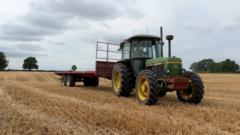
Agricultural mental health represents one of the most pressing yet heavily obscured challenges facing modern food production, as economic volatility, unpredictable weather systems, and systemic isolation converge on producers worldwide. Beneath the quiet exterior of rural landscapes lies a pressure cooker of financial debt, fluctuating commodity prices, and labor shortages that push individuals to their psychological limits. Traditional media coverage often reduces these profound struggles to superficial talking points, failing to examine the deep structural mechanics driving agricultural distress.
The Anatomy of Isolation
Farming is inherently insular. Producers often work alone for fourteen hours a day, tethered to machinery or livestock, with minimal human contact beyond immediate family members. This physical isolation breeds a distinct brand of psychological strain. When an individual spends weeks without a genuine conversation, internal stressors compound rapidly. Minor setbacks, such as a broken tractor transmission or a sudden drop in market valuation, morph into catastrophic existential threats inside an isolated mind.
Compounding this physical separation is the rugged individualism deeply embedded in rural culture. Generations of agricultural workers have prided themselves on self-reliance. Asking for help is frequently misinterpreted as weakness or operational failure. This cultural armor protects against external judgment but leaves producers completely defenseless against internal collapse. When the only metric of success is the physical output of the land or livestock, personal suffering is buried beneath daily chores.
Financial Volatility and the Debt Trap
Economic pressures form the bedrock of chronic agricultural anxiety. Unlike corporate entities that can easily restructure debt or pause operations during a downturn, family farms operate on razor-thin margins tied to biological cycles that cannot be rushed or halted. A single unseasonal frost, a localized drought, or a sudden shift in trade tariffs can wipe out an entire year of projected income overnight.
Consider a hypothetical grain producer operating on three thousand rented acres. Input costs for fertilizer, seed, and diesel have risen exponentially, while grain futures remain stagnant. The operating loan balloons before the first seed hits the ground. Every decision becomes a high-stakes gamble against forces completely outside human control. This constant exposure to unmanageable risk triggers a chronic fight-or-flight response. Cortisol levels remain elevated for months on end, degrading cognitive function, disrupting sleep architecture, and ultimately paving the way for severe depression and anxiety disorders.
Infrastructure Deficits in Rural Healthcare
Recognizing psychological distress is only the initial hurdle; accessing professional intervention presents an entirely separate obstacle course. Rural communities suffer from a severe shortage of behavioral health infrastructure. Mental health professionals are heavily concentrated in urban centers, leaving vast swaths of agricultural country without adequate psychiatric care or counseling services.
When a producer finally decides to seek support, they often face a multi-hour drive to the nearest qualified practitioner, assuming an appointment is available within a reasonable timeframe. Telehealth has bridged some of these gaps, but broadband connectivity remains notoriously unreliable in remote farming regions. Furthermore, the lack of anonymity in small rural towns deters many from visiting local clinics. Fear of community gossip or professional stigma ensures that countless individuals suffer in silence rather than risk being seen walking into a mental health facility.
Shifting the Paradigm of Rural Support
Efforts to combat this crisis require moving beyond generic public awareness campaigns. Traditional messaging telling stressed individuals to "reach out" or "talk about it" often falls flat when no accessible, culturally competent resources exist. Effective intervention must be built from the ground up, integrating trusted community figures into the support network.
Veterinarians, agronomists, and feed suppliers often see producers more frequently than family members do. Training these allied agricultural professionals to recognize early behavioral indicators of distress—such as neglected equipment maintenance, declining livestock care, or sudden withdrawal from community events—creates an organic early warning system. By embedding mental health literacy into everyday agricultural commerce, the barrier to entry for support drops significantly.
True structural change also demands financial literacy programs and peer-led support groups designed specifically by individuals who understand the realities of production agriculture. Programs that frame wellness as essential farm maintenance—arguing that keeping the operator healthy is just as vital as servicing the combine—resonate far better than clinical lectures. Until the agricultural sector addresses the root economic and structural drivers of chronic stress, producers will continue bearing a psychological toll that threatens the stability of the entire food supply chain
Farm State of Mind: Mental Health in Rural America
This video explores community-driven initiatives and peer support networks aimed at addressing agricultural stress and breaking the stigma surrounding mental health in rural areas.
http://googleusercontent.com/youtube_content/1