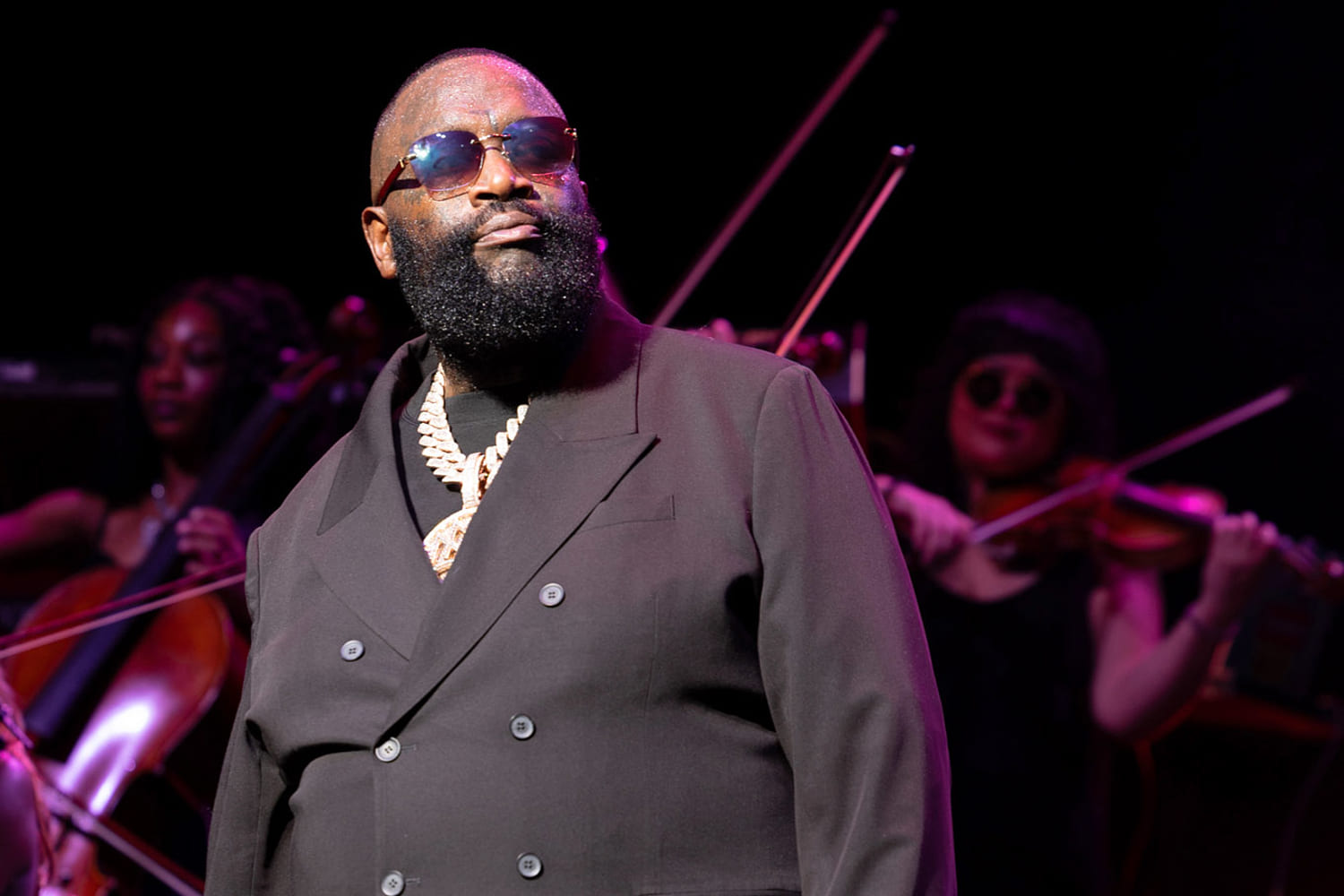
The flashing lights of Miami Beach rarely pause for long, but when William Leonard Roberts—better known to the global hip-hop audience as Rick Ross—was booked into the Miami-Dade County jail in the autumn of 2026, the immediate headlines stripped away the mogul veneer. The charges were stark. An intimate partner alleged that the multi-platinum artist and executive had physically assaulted and choked her at his Star Island residence following a dispute.
Within weeks, the legal architecture surrounding the high-profile case began to shift, exposing the complex realities of how celebrity domestic violence cases move through the American justice system. Prosecutors ultimately dropped the initial felony battery by strangulation count, citing insufficient evidentiary thresholds at that stage, leaving a remaining misdemeanor domestic violence battery charge. Yet the public spectacle, the rapid PR maneuvers, and the entrenched dynamics of fame, wealth, and legal defense mechanisms offer a clinical window into how high-stakes criminal allegations are managed in the modern cultural economy.
The Mechanics of the Star Island Incident
The timeline provided by Miami Beach police investigators outlined a familiar domestic confrontation that escalated rapidly behind private gates. According to court filings, the victim alleged that the altercation occurred late in the summer, sparked by accusations of infidelity. The affidavit detailed physical strikes, a claim of being choked with a shirt collar, and being pushed against a wall. Surveillance footage from the expansive property later corroborated movement around the residence, including an aborted attempt by an acquaintance to pick up the victim.
For an artist who has spent two decades building a brand explicitly rooted in unshakeable physical presence, opulence, and untouchable authority, an arrest of this nature disrupts the carefully curated narrative. Ross’s defense team, featuring high-profile attorneys like Steve Sadow and Bradley Horenstein, immediately deployed the standard playbook for celebrity crisis management: absolute denial of the allegations, a public posture of total innocence, and an urgent plea for the public to reserve judgment until the courts processed the facts.
The Reality of Evidentiary Hurdles in Domestic Cases
The decision by state prosecutors to drop the felony strangulation charge while maintaining the misdemeanor count highlights the formidable evidentiary barriers inherent in domestic violence prosecutions, particularly those involving wealthy defendants. Proving felony strangulation requires specific medical documentation, visible physiological trauma, or corroborating physical evidence that often degrades or becomes difficult to substantiate weeks after an alleged event occurs.
In many high-net-worth cases, the friction between initial police reporting and subsequent prosecutorial review involves complex evidentiary negotiations. Victims frequently face intense public scrutiny, the pressures of non-disclosure environments, or the psychological toll of participating in a high-stakes public trial. When felony counts are reduced or dismissed, it does not inherently signify the absence of wrongdoing; rather, it underscores the strict legal thresholds required to sustain severe felony indictments under judicial review.
The Precedent of Legal Troubles
This is not the first time Roberts has navigated the intricate machinery of the criminal justice system. Years prior, the rapper faced severe felony charges involving aggravated assault and kidnapping stemming from an altercation with groundskeepers at his sprawling Georgia estate. That case ultimately resolved through a negotiated plea deal involving no-contest pleas, probation, and fines, sparing him immediate incarceration while establishing a formal judicial record of legal compromise.
The recurrence of violent allegations within the orbit of a major entertainment figure forces an uncomfortable examination of how the music industry and its audiences process accountability. In hip-hop and broader pop culture, legal entanglements are frequently absorbed into an anti-hero mythology where trouble with the law is recontextualized as street authenticity or personal resilience. However, domestic violence sits entirely outside the conventional bounds of romanticized hustle culture. It represents an abuse of private power behind closed doors, untouched by the bravado of music videos or boardroom negotiations.
The Broader Cultural Echo
As the legal process moves toward its eventual resolution, the case serves as a stark reminder of the widening chasm between public persona and private conduct. The quick posting of a cash bond, immediate international travel for scheduled performances, and the deployment of elite legal defense teams illustrate the insulating buffer that extraordinary wealth provides against the immediate consequences of the law.
The fundamental questions raised by the Star Island arrest extend far beyond the guilt or innocence of a single celebrity defendant. They expose the systemic vulnerabilities faced by victims of domestic abuse when confronting defendants equipped with unlimited legal resources, and they challenge an entertainment ecosystem that routinely privileges commercial momentum over systemic accountability.


