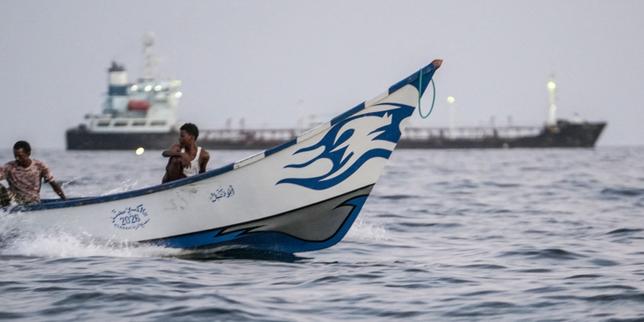
The warning issued from Sanaa is stark and entirely predictable. If Washington steps into the escalating conflagration between the Saudi-led coalition and Yemen's Houthi movement, American assets, military installations, and commercial lifelines across the broader region will instantly become primary targets. This hardline stance arrives against a backdrop of fractured ceasefires, seized maritime choke points, and a White House caught between mutual defense treaty obligations and the terrifying prospect of a wider Middle Eastern war.
For years, foreign policy analysts treated the Houthi movement as a localized insurgency. That analytical failure has materialized into a strategic nightmare. Having consolidated control over crucial coastal strips overlooking the Bab el-Mandeb Strait, the movement possesses the capability to choke off vital maritime trade lanes. When the Strait of Hormuz faced Iranian pressure, global energy markets turned toward alternative routes, making the Red Sea passage indispensable. Now, that corridor functions under the shadow of anti-ship missiles and drone technology that has evolved from crude hardware into precise instruments of regional disruption.
The Anatomy of Deterrence Failure
Washington faces a classic trap of credibility. Secretary of State Marco Rubio affirmed that the United States maintains defensive commitments to Riyadh, pointing directly toward obligations that get tested every time a ballistic projectile strikes Saudi energy infrastructure. Yet, moving from rhetorical support to direct military intervention invites asymmetric retaliation against American military personnel stationed throughout the Gulf states.
Consider a hypothetical deployment of carrier strike groups tasked with rolling back Houthi coastal batteries. Such an operation would require sustained air campaigns, risking downed pilots, naval attrition, and widespread asymmetrical strikes on regional embassies or energy nodes by allied networks. The cost-benefit calculation for the Pentagon remains grim. Houthi forces have spent a decade absorbing airstrikes from advanced coalitions, developing deep underground command networks that render conventional bombardment frustratingly ineffective.
Economic Shockwaves Beyond the Gulf
The geopolitical standoff is not merely a localized security dispute. It functions as a direct tax on the global economy. As insurance underwriters hike premiums for vessels traversing the southern approaches to the Suez Canal, cargo liners detour around the Cape of Good Hope, bloating transit times and inflating consumer prices worldwide. Egypt, heavily reliant on canal toll revenues, watches its foreign currency reserves drain away with every diverted container ship.
Diplomatic channels remain jammed because the underlying political grievances refuse to stay buried. Riyadh's direct intervention in 2015 set off a multi-year quagmire that ended in a stalemate, leaving the Saudi leadership desperate for an exit strategy that preserves state security without conceding regional hegemony to Tehran's network of allies. When high-level delegations and intercepted shipments intersect with regional funerals and proxy logistics, the margin for diplomatic error vanishes completely.
Washington's calculus now pivots on a razor's edge. Every day the White House holds back from direct kinetic engagement, the militant coalition tightens its grip on maritime routes and tests the durability of regional alliances. The threat to American interests is not a distant contingency. It is an active variable shaping every military deployment from the Gulf of Aden to the Persian Gulf, leaving policymakers with bad options and worse outcomes.