A quiet diplomatic standoff between Tehran and Doha is threatening to shatter the fragile lull in the Middle East. Iran has publicly demanded the immediate release of three military aviators it claims were captured alive after their Su-24 strike aircraft crashed on Qatari soil during the early weeks of the regional conflict. While Qatari officials have flatly rejected the detention allegations, the accusation introduces a combustible new variable into an already volatile security architecture.
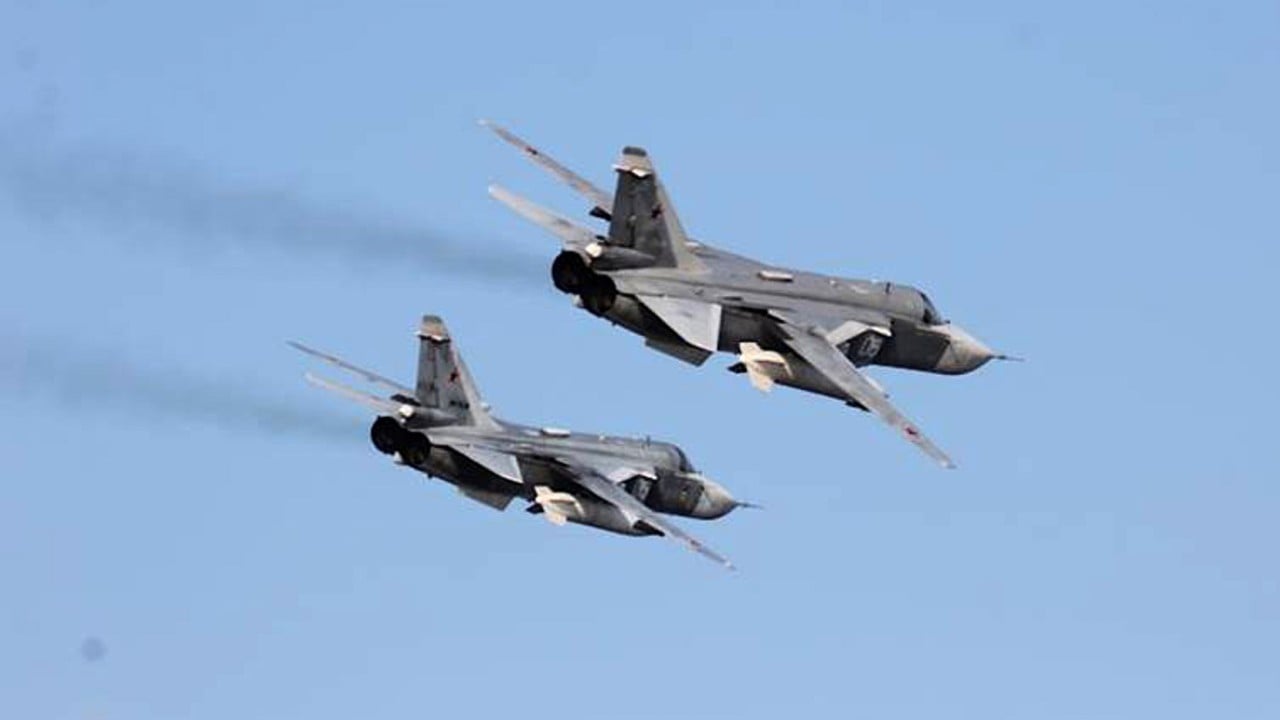
The public disclosure centers on events from early March, when an Iranian aerial mission targeted military infrastructure inside Qatar. According to statements released by General Mohammad Bagherzadeh of the Iranian armed forces, two Su-24 tactical bombers launched from Iranian territory on March 2 to strike positions near Al Udeid Air Base. Both aircraft were allegedly downed by air defense fire during their withdrawal.
Tehran initially reported one pilot, Majid Kazemi, killed in action and the remaining crew missing. Six months later, the narrative shifted dramatically. In a formal appeal directed to the International Committee of the Red Cross, Iranian military authorities identified the surviving aviators as Javad Salehi, Abdolmajid Dashtian, and Omran Behraveshian. Tehran insists these men were captured by Qatari forces upon ejection and have since been held incommunicado, denied communication with their families or consular representation.
Doha responded with swift skepticism. Foreign Ministry spokesperson Majed Al Ansari issued categorical denials regarding the presence of any detained Iranian personnel, characterizing the assertions as baseless and strategically timed to complicate ongoing regional negotiations. For a small Gulf state that has frequently attempted to balance precarious diplomatic tightropes between Western military partners and its northern neighbor, the accusation strikes at the core of its neutrality posture.
The Geopolitical Stakes of Al Udeid
To understand why these missing aviators carry such outsized weight, one must examine the target of that March sortie. Al Udeid Air Base is not just a standard military installation. It functions as the forward headquarters for United States Central Command and accommodates the air component coordination center for regional operations.
When the broader war ignited on February 28 following joint strikes by the United States and Israel against Iranian military targets, facilities hosting American assets across the southern Gulf instantly transformed into frontline positions. Iran's decision to launch retaliatory sorties against Qatari territory was a calculated attempt to disrupt the command-and-control nodes directing coalition air power.
The downing of the Su-24s represented a tactical defeat for Tehran's air wing, but the emergence of a captive personnel dispute months later transforms a historical battlefield loss into an active political weapon. In military intelligence circles, unaccounted-for prisoners of war rarely remain isolated humanitarian issues. They function as leverage, locking adversaries into rigid bargaining postures where domestic political pressure prevents any easy climbdown.
The Fragile Architecture of the Post-Conflict Phase
The timing of Tehran's public petition is hardly accidental. Hostilities between Iran and the United States scaled down significantly following an April ceasefire and subsequent diplomatic frameworks. Yet, the diplomatic track has proven fragile. Negotiations over maritime security, particularly freedom of navigation through the vital Strait of Hormuz, have repeatedly stalled over competing demands regarding sanctions relief and regional force postures.
Iran continues to exert tight oversight over the strategic waterway, linking the normal flow of tanker traffic to the total cessation of western pressure and economic blockades. With sporadic firefights and verbal escalations maintaining a baseline of hostility, the introduction of a captive pilot controversy provides hardliners in Tehran with a resonant narrative hook.
Demanding the repatriation of captured service members resonates deeply within domestic Iranian political structures. It shifts the public discourse from strategic stalemates over oil transit to the immediate, human cost of the conflict. By appealing to the Red Cross, the Iranian military has internationalized the dispute, forcing international humanitarian bodies to navigate conflicting state claims over a battlefield that officially transitioned from active combat to an uneasy cessation.
Navigating the Verification Vacuum
Independent verification of the claims remains nearly impossible. Ground intelligence within southern Gulf military installations is heavily restricted, and neither Doha nor Tehran has incentives to open sensitive detention records to public scrutiny without a broader political quid pro quo.
If Qatari forces did recover surviving pilots in the chaotic aftermath of a March missile barrage, standard military protocol during active hostilities would typically involve immediate security screening, intelligence debriefings, and eventual coordination through neutral intermediaries like the Red Cross. Conversely, if the aviators perished upon impact or during ejection—as frequently occurs when high-performance aircraft disintegrate at low altitudes—Tehran's insistence on their captivity reflects either genuine intelligence failures within its own command structure or a deliberate fabrication designed to generate diplomatic leverage.
The divergence between the two accounts leaves international monitors stranded in a verification vacuum. Without proof of life or verified custodial records, the Red Cross faces a difficult procedural hurdle in attempting to access individuals whose very existence in Qatari custody is formally denied by the host government.
As diplomatic channels strain under the weight of competing ultimatums, the fate of three men shot down over the desert sands six months ago remains unresolved. Whether this dispute fades into the background of a sputtering peace process or hardens into a permanent obstacle depends entirely on whether either capital finds utility in escalation. The answers, buried beneath layers of state secrecy and strategic denial, will dictate whether the fragile regional lull holds or gives way to a renewed cycle of confrontation.