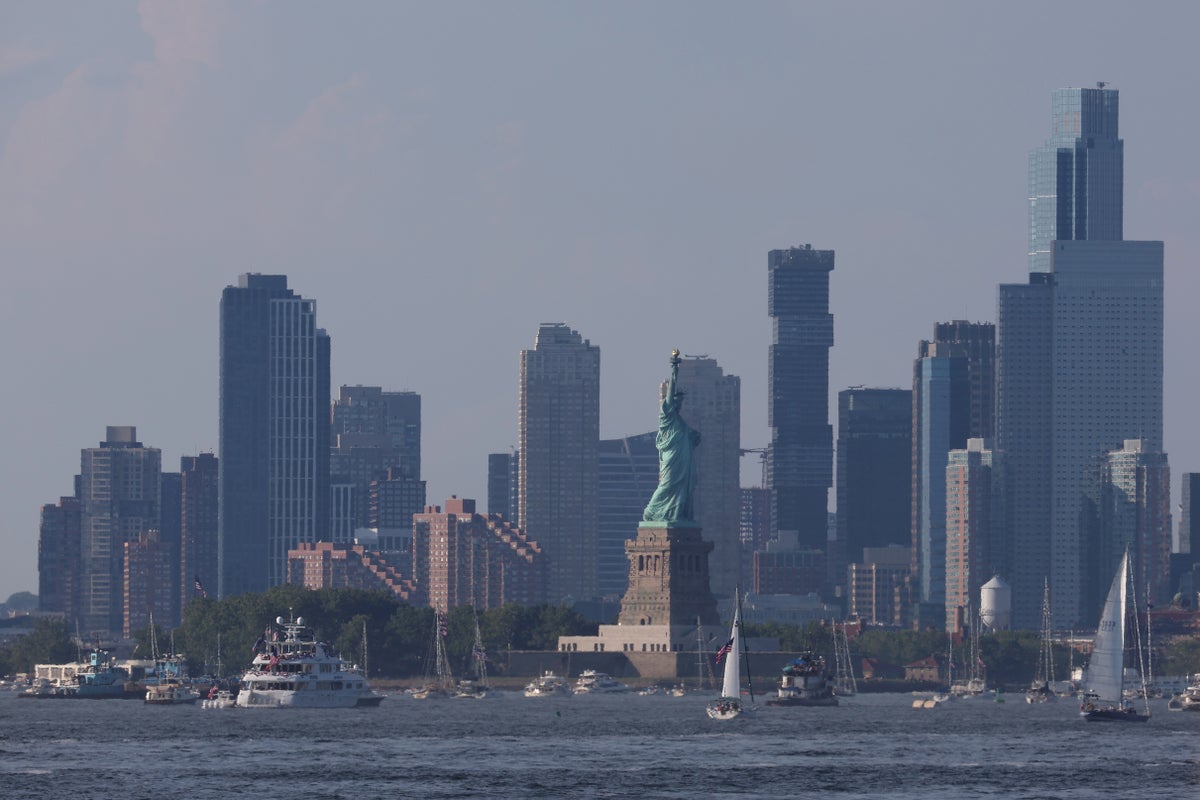
The water does not care about milestones. When a birthday celebration on New York City waters transforms into a fatality, the initial public shock invariably fixes on an easy scapegoat. A pair of handcuffs snapping shut around a captain's wrists offers a neat narrative arc for evening news broadcasts. It provides closure before the bodies are even cold. But behind the headline of a single arrested mariner lies a far more unsettling structural decay. This disaster in the harbor was not simply a momentary lapse in judgment by one individual at the helm. It was the predictable outcome of an unregulated gray market, lax oversight, and an enforcement apparatus that only wakes up after the sirens start wailing.
Decades of covering maritime accidents across the tri-state area teach you one unchanging truth. When a commercial vessel operating outside standard Coast Guard protocols collides with tragedy, the root cause usually traces back to economic desperation and administrative negligence. To understand how a night meant for cake and champagne ended with flashing lights on the Hudson River, we have to look past the handcuffs. We have to examine the hidden machinery of New York harbor tourism.
The Underground Economy of the Harbor
Every summer, millions of tourists and locals look at the glittering Manhattan skyline from the water. They want a slice of the yacht lifestyle without paying charter prices that run into the thousands. Enter the underground peer-to-peer boat rental market and unlicensed charter industry. Platforms that mirror ridesharing apps have made it painfully easy for boat owners to rent out vessels to people who do not know a starboard cleat from a fuel shutoff valve.
Worse still are the captains-for-hire who operate in the shadows. Legitimate commercial captains must hold specific United States Coast Guard credentials, pass rigorous drug tests, maintain medical certifications, and adhere to strict vessel safety standards. Unlicensed operators bypass every single one of these guardrails. They overload vessels, ignore passenger manifest rules, and treat navigation laws as optional suggestions.
When a captain sits in cuffs following a fatal harbor incident, investigators usually find that the vessel lacked the proper certificate of inspection. They find that life jackets were stuffed into rusted lockers instead of being readily accessible. They find that the person steering the boat had no business commanding a commercial craft in waters as treacherous as New York Harbor.
The Anatomy of a Harbor Nightmare
New York Harbor is one of the most punishing marine environments on Earth. You are dealing with powerful tidal currents that can exceed four knots, commercial barge traffic, high-speed ferries, erratic wind patterns, and zero visibility during sudden summer squalls. Navigating this aquatic highway requires hyper-vigilance and thousands of hours of localized experience.
On the night of the birthday tragedy, the ingredients for disaster were quietly aligning long before the vessel left the dock.
- The Overloaded Deck: Too many bodies on a small recreational hull shift the center of gravity dangerously high, making the boat unstable in a turn.
- The Alcohol Factor: Celebrations on the water almost always involve open containers. Impairment on the water is punished just as severely as drunk driving on land, yet enforcement remains spotty.
- The Blind Spot: Recreational boats converted into makeshift party charters often lack the professional radar, AIS tracking, and communication gear required on commercial passenger vessels.
When an unexpected wake from a massive container ship hit the birthday boat, the untrained crew froze. The vessel took on water, panic swept the deck, and passengers found themselves thrashing in the dark, freezing currents. The captain tried to steer out of danger, but a combination of excess weight and sluggish handling sealed their fate. By the time emergency response vessels arrived, the damage was already done.
The Regulatory Blind Spot
Why do these rogue operators continue to ply New York waters with impunity? The answer lies in jurisdictional fragmentation.
The harbor is a bureaucratic maze. The U.S. Coast Guard patrols the federal waterways, but their resources are stretched thin across security patrols, commercial shipping lanes, and search-and-rescue operations. The New York Police Department harbor unit and the New York State Police handle local enforcement, but they cannot board every single recreational boat flying a party flag. The local docking facilities and marinas often turn a blind eye because these unregulated charters bring in steady cash flow.
Federal law is clear regarding illegal charters. The Coast Guard possesses the authority to slap operators with tens of thousands of dollars in civil penalties for running uninspected passenger vessels. Yet, these fines are rarely collected from fly-by-night operators who dissolve their limited liability companies the moment an accident occurs or a warning is issued.
Public safety agencies are caught in a reactive loop. They respond when a vessel capsizes, when a propeller strikes a swimmer, or when a birthday turns into a homicide investigation. They do not have the manpower to intercept every unauthorized party boat at the slip before it unties its lines.
The Cost of Looking Away
The family grieving today is paying the ultimate price for a system built on willful blindness. Every time a consumer books a cheap, unverified boat rental online because it undercuts licensed charter companies by half, they are rolling the dice with their safety. Every time a dock master looks the other way while an obviously overloaded vessel heads out into the bay, they become complicit in the risk.
The captain in cuffs will likely serve prison time. The legal proceedings will drag on for months, generating headlines about negligence and reckless endangerment. But when the dust settles, the docks will remain open. The ads for cheap harbor parties will pop back up on social media feeds. The same under-the-table operators will swap out their vessel names and keep running midnight cruises for unsuspecting tourists looking for a cheap thrill against the backdrop of the Brooklyn Bridge.
Until city, state, and federal maritime authorities coordinate a massive, proactive crackdown on illegal charters—treating unauthorized passenger vessels with the same severity as illegal commercial airlines—the harbor will remain a watery lottery where the jackpot is paid in human lives.


