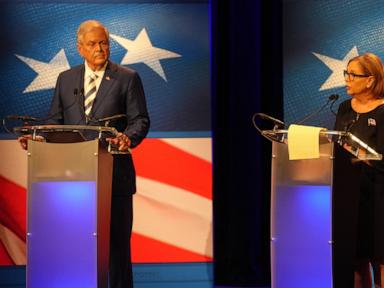
South Carolina politics rarely stays quiet for long, but this summer's Senate scramble has completely upended the state's traditional power structures. When the unexpected passing of long-serving senator Lindsey Graham left a massive vacancy, it triggered a chaotic chain reaction across the Palmetto State. Now, voters are navigating a fierce Republican primary runoff that pits interim appointee Darline Graham against five-term U.S. Representative Ralph Norman.
If you want to understand where the modern conservative movement is heading, look right here. This race isn't just about filling a Senate seat. It's a proxy war over political experience, establishment backing, and heavy-hitting national endorsements.
The Clash of Two Distinct Political Lanes
Darline Graham steps into this election carrying one of the most recognized surnames in South Carolina politics, though her entry into elected office is entirely unprecedented. Appointed by Governor Henry McMaster to fill out the remainder of her late brother's term, she's leaning heavily on her fresh perspective and major political muscle. President Donald Trump threw his weight behind her early, even staging a high-profile rally in Myrtle Beach to boost her momentum. Add endorsements from U.S. Senator Tim Scott and primary rival-turned-ally Russell Fry, and you have a candidate backed by the upper echelon of the party apparatus.
On the flip side, Ralph Norman is running as the quintessential anti-establishment insurgent from inside the beltway. Representing South Carolina's 5th Congressional District and holding ties to the House Freedom Caucus, Norman has spent his campaign attacking what he calls the Washington elite. Fresh off an unsuccessful run for governor earlier this year, Norman is trying to convince voters that the Senate requires seasoned legislative grit rather than on-the-job training. He's picked up critical nods from fiscal hawks like former Governor Mark Sanford, who pointed to exploding national debt as the primary reason to back Norman's hardline approach.
Why This Runoff Matters Right Now
The primary battle exposed deep regional divides across South Carolina. Graham dominated the central midlands, the Charleston Lowcountry, and counties hugging the Georgia border. Norman racked up his strongest numbers in the Piedmont and Upstate regions, anchored by vote-heavy Greenville County.
Outside spending has flooded the state to tip the scales. Super PACs like MAGA Inc. pumped substantial funds into supporting Graham in the final stretch, while independent conservative groups have traded blows over each candidate's legislative philosophy. Critics of Graham point to her limited political track record and high-profile missteps on the campaign trail, including a heavily scrutinized debate performance. Meanwhile, Norman's opponents argue his hardline obstructionism fails to deliver practical solutions for the state's day-to-day needs.
Whoever claims the Republican nomination will face Democratic challenger Annie Andrews in the general election. Given South Carolina's deep red voting history, winning this GOP runoff is basically equivalent to securing the seat.
Check your local registration rules and regional voting locations through official state resources if you're casting a ballot in upcoming electoral cycles. Pay close attention to how local coalitions shift as the party prepares for November.