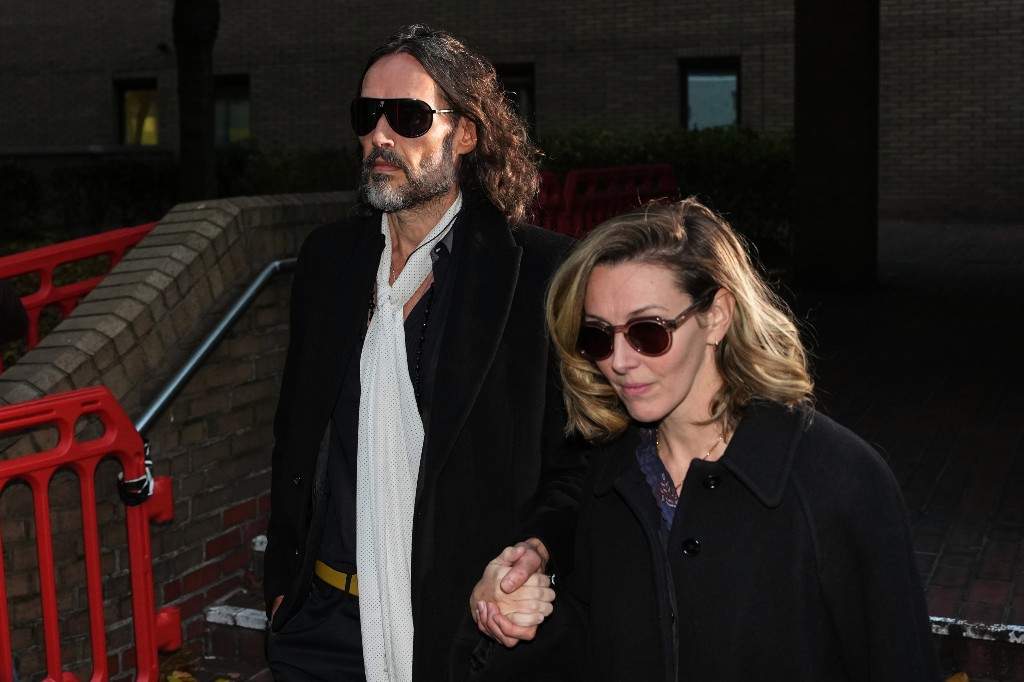
The doors are locked. Twelve ordinary citizens are now sifting through weeks of conflicting testimony, historical text messages, and fiercely contested timelines as jury deliberations begin in the Russell Brand rape and sexual assault trial. Following closing arguments from both the prosecution and the defense, the fate of the comedian, actor, and online broadcaster rests entirely on how these jurors weigh credibility, consent, and the power dynamics of the mid-2000s entertainment industry.
For anyone tracking high-profile celebrity prosecutions over the last decade, this moment carries a familiar, heavy tension. Trials involving historical allegations rarely hinge on fresh forensic evidence. Instead, they become intricate tests of memory, corroboration, and institutional culture. You might also find this similar story insightful: La faille de cybersécurité en Corée du Sud qui a exposé le passeport du président pendant quatre mois.
The Architecture of a Historical Prosecution
Prosecuting allegations that span back more than a decade presents a steep uphill climb for the Crown. Without immediate DNA evidence or contemporaneous medical reports, the legal battle shifts to corroborative testimony and similar fact evidence.
Prosecutors spent weeks building a timeline designed to show not just isolated incidents, but an alleged pattern of behavior. When multiple complainants come forward independently, the legal strategy relies on demonstrating striking similarities in how the alleged encounters unfolded. The prosecution argued that these accounts, separated by geography and time, reinforce one another through shared operational details—how access was granted, how boundaries were allegedly crossed, and how the aftermath was managed by industry gatekeepers. As reported in latest reports by TIME, the results are notable.
The defense, conversely, attacked the very foundation of retrospective memory. Brand’s legal team focused intensely on inconsistencies in dates, the presence of consensual communications following the alleged incidents, and the overarching narrative that these encounters were entirely consensual—albeit chaotic—relationships forged during a well-documented period of mutual excess.
"In historical sexual offense trials, the courtroom becomes an excavation site. Jurors aren't just asked what happened; they are asked to reconstruct the social norms of an era that feels unrecognizable today."
To understand why these deliberations are so complex, look at the burden of proof. The prosecution must establish guilt beyond reasonable doubt. That is an intentionally high bar. If a juror believes an encounter was ethically indefensible or emotionally damaging, that is not enough for a conviction. They must be sure, without reasonable doubt, that the defendant lacked a reasonable belief in consent at the exact moment the alleged offense occurred.
Power Asymmetry and the Mid-2000s Media Machine
You cannot separate this trial from the specific industrial ecosystem that created Russell Brand’s fame. Between 2006 and 2013, British television and radio operated under a distinct set of unwritten rules. Talent was king. Ratings dictated morality.
During the height of his mainstream ascendancy—hosting high-profile radio slots, fronting major television broadcasts, and crossing over into Hollywood—Brand was a lucrative asset. In the entertainment business, assets are protected. Production companies, talent agencies, and broadcasters historically prioritized keeping the cameras rolling over enforcing workplace boundaries.
How Gatekeeping Functions in Entertainment
When a star generates millions in revenue and cultural cachet, an invisible buffer forms around them. Junior staffers, runners, and young women orbiting the industry quickly learn the hierarchy. Raising a complaint against a marquee name meant risking immediate professional exile.
- Asymmetrical Access: Security personnel, drivers, and personal assistants often facilitate contact between talent and the public, creating environments where standard social guardrails disappear.
- Reputational Shielding: Publicists and fixers work proactively to contain negative stories before they reach tabloid editors, often trading access to other clients to kill an inconvenient narrative.
- The Persona Defense: When a celebrity builds their entire brand around being an unfiltered, hyper-sexualized provocateur, industry executives frequently dismiss alarming red flags as mere "method" or "part of the act."
This institutional inertia explains why so many high-profile cases take ten to fifteen years to reach a criminal courtroom. Complainants rarely stay silent because they forgot what happened. They stay silent because they accurately calculate the personal and professional cost of speaking up against a giant.
The Defense Strategy and the Credibility Trap
Defense attorneys in high-profile sexual assault trials do not need to prove their client is a saint. They only need to introduce reasonable doubt into the prosecution's narrative.
In Brand’s case, the defense leaned heavily into the documented realities of his past lifestyle. Brand has never hidden his former battles with addiction or his reputation for promiscuity during his peak years in London and Los Angeles. By acknowledging the chaos of that era upfront, the defense attempted to neutralize the shock value of the prosecution's witnesses. The core argument was straightforward—wild, regretful, or messy encounters are not criminal offenses.
The Problem of Post-Incident Contact
One of the sharpest weapons in the defense arsenal is digital archaeology. Text messages, emails, and call logs sent days or weeks after an alleged assault are routinely used to undermine a complainant's testimony.
To a layperson sitting on a jury, a friendly or flirty text sent after an alleged attack looks like proof of consent. Why would someone maintain contact with a person who assaulted them? Yet, forensic psychologists and trauma specialists have spent decades documenting the fawn response—a psychological survival mechanism where victims appease or maintain normalcy with an aggressor to avoid further conflict, preserve their social standing, or convince themselves that nothing traumatic actually occurred.
Jurors must navigate this exact friction. They have to decide whether post-incident communications represent genuine, ongoing affection or the frantic attempts of vulnerable individuals trying to normalize an unthinkable breach of trust.
What Happens Inside the Deliberation Room
Once the judge finishes summing up the evidence and delivers final legal directions, the courtroom dynamic vanishes. The lawyers lose control. The media commentary stops at the door.
Inside the deliberation room, twelve people from vastly different backgrounds must reach a consensus. Under English law, judges initially instruct juries to strive for a unanimous verdict on each count. If, after a significant period of deliberation, a unanimous decision proves impossible, the judge may issue a majority direction, allowing a verdict of 11-1 or 10-2.
| Legal Concept | Practical Meaning for the Jury | Impact on Deliberations |
|---|---|---|
| Burden of Proof | The prosecution must prove every element of the crime; the defense proves nothing. | Forces jurors to acquit if they are merely "suspicious" or "mostly sure." |
| Reasonable Belief in Consent | Did the defendant genuinely and reasonably believe the complainant consented? | Shifts focus to the defendant's state of mind, evaluated against objective standards. |
| Cross-Admissibility | Evidence from one complainant can legally support the credibility of another. | Allows the jury to view allegations as a connected pattern rather than isolated disputes. |
| Majority Verdict | A decision agreed upon by at least 10 of the 12 jurors after initial deadlock. | Prevents a single holdout juror from forcing a retrial after extensive deliberations. |
Deliberations in multi-count historical trials rarely wrap up in a few hours. Jurors must examine each charge individually. It is entirely possible for a jury to convict on one count where corroborating evidence—such as contemporaneous disclosures to friends or medical notes—is strong, while acquitting on another count where the evidence relies solely on uncorroborated memory.
The Media Ecosystem and the Parallel Trial
While the legal trial unfolds under strict reporting restrictions, a parallel trial has been raging across the internet for years. Since the initial investigative journalism documentaries and newspaper exposés broke the story, Russell Brand has pivoted aggressively into the alternative media space.
Commanding an audience of millions across independent video platforms and podcasts, Brand framed the allegations not as a legal accountability process, but as a coordinated establishment hit job. By positioning himself as a political dissident targeted by mainstream institutions for questioning corporate and government narratives, he built a powerful shield of loyal supporters before a single juror was ever sworn in.
This dynamic creates an unprecedented challenge for modern judicial systems. Courts issue strict warnings to jurors not to research the defendant, read social media commentary, or consume outside podcasts. Yet, when a defendant operates a massive, daily digital broadcast network, insulating twelve citizens from the ambient noise of the internet requires extraordinary discipline.
More importantly, the outcome of this trial will test the limits of digital reputation management. If acquitted, Brand’s narrative of institutional persecution will gain immense traction among his base, cementing his status as an untouchable independent media mogul. If convicted, it will mark one of the most dramatic falls from mainstream stardom to criminal accountability in modern British history, signaling that a massive online following cannot insulate a public figure from the reach of the criminal justice system.
The Industry Reckoning That Remains Unfinished
Regardless of the verdicts the jury eventually returns, the trial has already exposed the rotten structural timber beneath the British entertainment industry.
For years, human resources departments at major broadcasters and production houses functioned primarily as risk-management units for corporate executives rather than protective bodies for workers. Non-disclosure agreements, quiet contract terminations, and off-the-record warnings were standard operating procedure.
Real reform in the media sector requires more than updated codes of conduct or mandatory workplace seminars. It demands structural accountability—specifically, stripping talent agencies and star producers of the unilateral power to blacklist junior staff who report misconduct, and establishing independent, third-party reporting mechanisms with the authority to halt productions immediately. Until the financial incentives of protecting profitable talent are outweighed by the legal and financial penalties of enabling abuse, the next generation of industry gatekeepers will simply repeat the exact same mistakes behind closed doors.