Tourist access to the iconic Alhambra palace complex in southern Spain has been severely restricted following a destructive sequence of earthquakes centered in the Granada province, shaking the nation's tourism infrastructure.
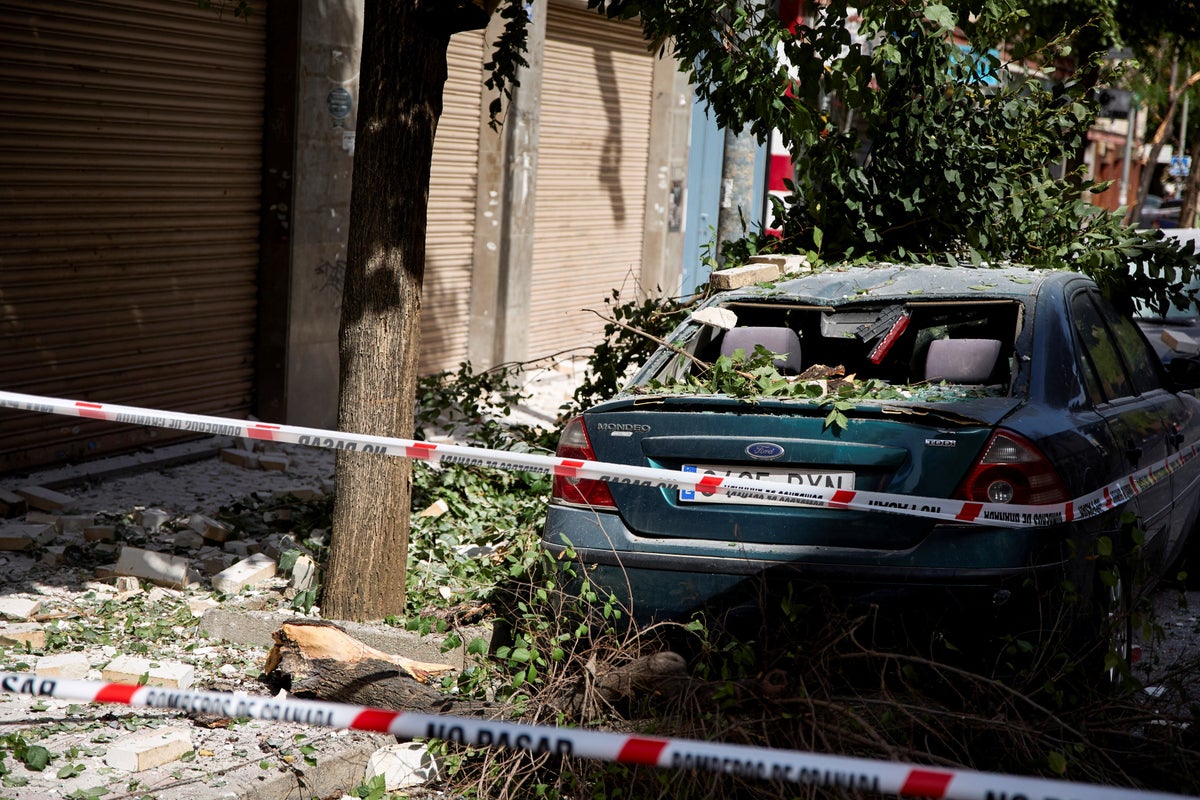
A magnitude 5.0 tremor struck the region on August 15, followed closely by a punishing cluster of aftershocks on August 18, including a shallow 4.7 magnitude quake originating in the nearby town of Göjar. These sudden tectonic events have injured three people, forced hotel evacuations, prompted municipal closures across administrative and sports facilities, and laid bare the vulnerability of historical landmarks built centuries before modern engineering codes. While mass media coverage focuses on immediate travel disruptions, the underlying geological reality presents a far more complex challenge for regional authorities and millions of annual visitors.
Tectonic Realities Beneath Andalusia
Southern Spain is not traditionally viewed through the same seismic lens as Japan or California. Yet, the Iberian Peninsula sits directly atop the collision zone between the African and Eurasian tectonic plates.
The African Plate pushes northward into Europe at a rate of roughly four to five millimeters every year. This relentless geological convergence compresses the crust, generating localized stress points across the Betic Cordillera, a mountain range sweeping through Andalusia. Granada bears the brunt of this accumulated pressure.
Most earthquakes in this specific zone share a critical characteristic: shallow depth. When a fault ruptures only three to five kilometers beneath the surface, the seismic energy dissipates far less before reaching populated areas.
A moderate magnitude 4.7 or 5.0 quake at such shallow depths packs an intense, localized punch. Buildings absorb the shockwaves directly, transforming minor numerical ratings on the Richter scale into violent, jarring movements felt sharply by residents and tourists alike.
Protecting Centuries of History
The immediate closure of the Alhambra is a necessary precaution, but it highlights a permanent administrative tightrope. Managing a monument that attracted 2.7 million visitors in the previous year requires balancing public safety with heritage preservation.
Constructed primarily during the Nasrid dynasty, the sprawling palace complex features delicate decorative plasterwork, intricate wooden ceilings, and unreinforced masonry walls. These materials were never engineered to withstand horizontal shear forces generated by seismic waves.
Engineers face an immense dilemma. Retrofitting a medieval fortress with modern seismic isolation pads or internal steel framing is often structurally impossible without destroying the very historical fabric tourists come to witness.
Authorities must rely on non-invasive monitoring systems, continuous structural integrity assessments, and rapid-response evacuation protocols. When a seismic swarm hits—a phenomenon where multiple moderate tremors cluster consecutively over several days—decision-makers have mere minutes to restrict access and protect thousands of visitors wandering through narrow courtyards and beneath heavy archways.
Economic Shockwaves Across the Costa Del Sol
The ripple effects extend far beyond the fortress walls of Granada. Southern Spain operates as a unified tourism ecosystem during the peak summer months.
When holidaymakers experience sudden shaking in Málaga, Marbella, or coastal resorts along the Costa del Sol, international booking confidence wavers. Local hoteliers and municipal leaders now confront a dual crisis: managing extreme summer heatwaves alongside unpredictable geological hazards.
Public transit networks, including the Granada metro system, have implemented strict speed reductions to thirty kilometers per hour following the recent tremors, illustrating how quickly municipal logistics can be disrupted.
Emergency response frameworks activated by the Andalusian regional government are designed to mitigate immediate panic and structural collapse. Yet, structural engineers acknowledge that secondary aftershocks can further destabilize masonry already weakened by initial primary jolts.
Visitors planning trips to Andalusia must accept an inherent level of unpredictability. Regional authorities continue structural inspections across museums, administrative buildings, and historic monuments to ensure public safety before restoring full access.
The ground beneath Granada remains restless, reminding travelers that ancient landscapes are governed entirely by forces beyond human control.
This video provides an on-the-ground look at how the recent earthquakes impacted towns and resorts across southern Spain.
http://googleusercontent.com/youtube_content/1