The modern American classroom has transformed into an ideological battleground, where everyday pedagogical friction rapidly escalates into statewide legal warfare. A recent clash in Florida involving an eighth-grade teacher accused of labeling a student a misogynist over conservative views has triggered a furious response from state leadership, culminating in the Florida Attorney General actively pursuing the educator's dismissal. This controversy is not an isolated incident of classroom misconduct. Instead, it represents a profound escalation in the ongoing war over free speech, parental rights, and political expression within public education.
At the center of this storm is an interaction that highlights the fragile boundary between educational instruction and perceived political indoctrination. When a young student expresses conservative perspectives on gender roles, social structures, or political figures, how should a professional educator respond? The accusation of misogyny levied by an authority figure carries immense weight. It moves past disagreement and enters the realm of character condemnation. For critics of the teacher's actions, this crossed a bright line from open debate into viewpoint discrimination, chilling student expression and violating state protections meant to shield children from political bias in schools.
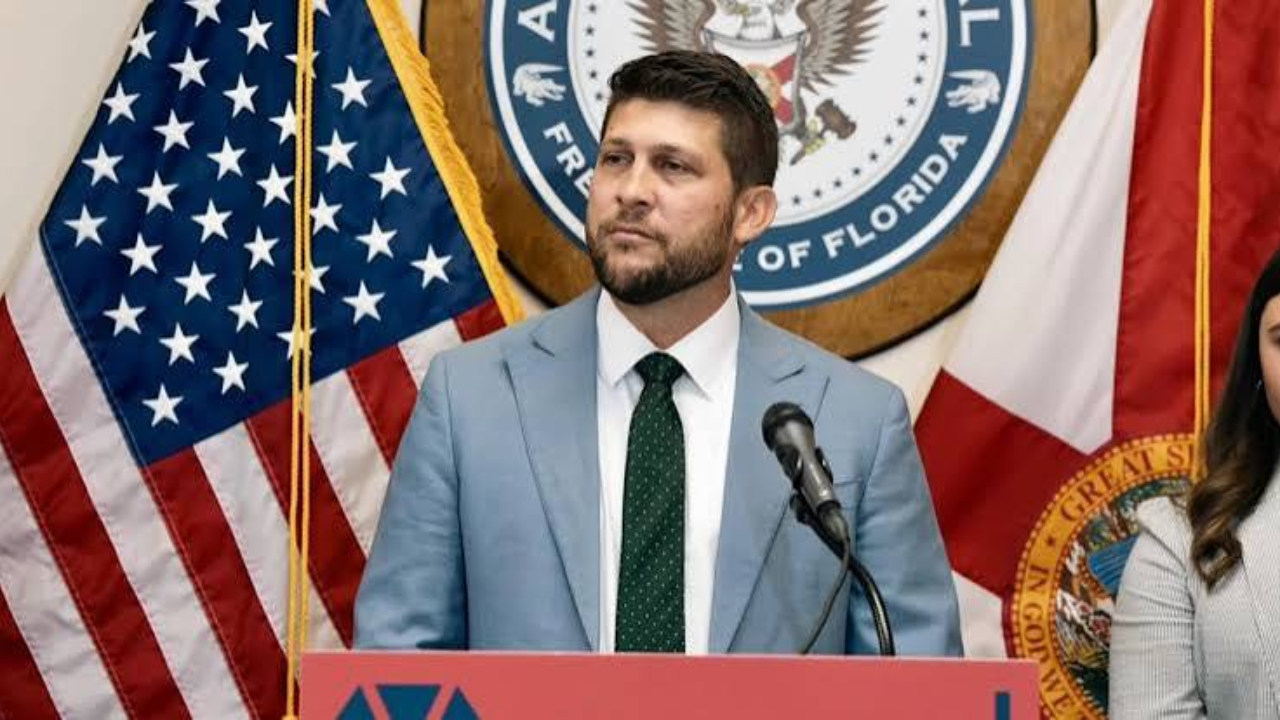
The involvement of the state's highest legal office underscores how rapidly local disputes migrate into the broader political arena. Florida has positioned itself at the vanguard of a legislative and cultural crusade to reshape public instruction. Laws targeting critical race theory, gender identity discussions, and perceived political bias have given state officials unprecedented leverage to intervene in local school board matters. When the Attorney General steps into a disciplinary dispute over an alleged verbal altercation between a teacher and an eighth-grader, it signals that administrative oversight is no longer confined to local districts. State power is moving directly into the classroom.
Defenders of the educator argue a different narrative. They contend that public school teachers must maintain classroom order and challenge views that promote discrimination or undermine the dignity of fellow students. In their view, labeling an argument or a student's stance is sometimes interpreted as a necessary pedagogical intervention against hate speech or disrespectful rhetoric. They argue that stifling a teacher's ability to correct harmful rhetoric strips educators of basic classroom management tools. If every heated exchange or ideological disagreement risks a state investigation or a call for termination, educators may choose radical caution, retreating from difficult conversations entirely.
Yet, the core grievance driving parental and state outrage touches on a deep sense of vulnerability. Parents send their children to public institutions with the implicit trust that the state will educate, not influence. When a middle schooler feels targeted or marginalized for holding traditional or conservative viewpoints, that trust fractures completely. The power imbalance between an adult educator and an adolescent student is vast. When an educator uses their institutional authority to pass moral or political judgment on a minor, it ceases to be a free exchange of ideas and begins to look dangerously like coercion.
This dynamic reflects a broader societal fatigue. Citizens across the political spectrum feel that public institutions—once seen as neutral civic spaces—have become ideological arenas. Conservative families in Florida feel historically underrepresented or openly disrespected by progressive educational cultures, making incidents like this lightning rods for broader anxieties. Every lesson plan, library book, and verbal reprimand is scrutinized through the lens of a larger cultural cold war.
Resolving these tensions requires more than punitive legal actions or defensive union postures. Dismissing a teacher satisfies a political demand for accountability, but it does little to repair the broken communication between communities and their schools. Conversely, allowing teachers unmonitored discretion to define acceptable political discourse alienates half the population they are sworn to serve.
True reform demands clear, enforceable boundaries that protect both the freedom of expression for students of all political stripes and the foundational authority of educators to maintain respectful discourse. Until those boundaries are defined without partisan weaponization, classrooms will remain volatile zones where a single conversation can trigger a statewide crisis.