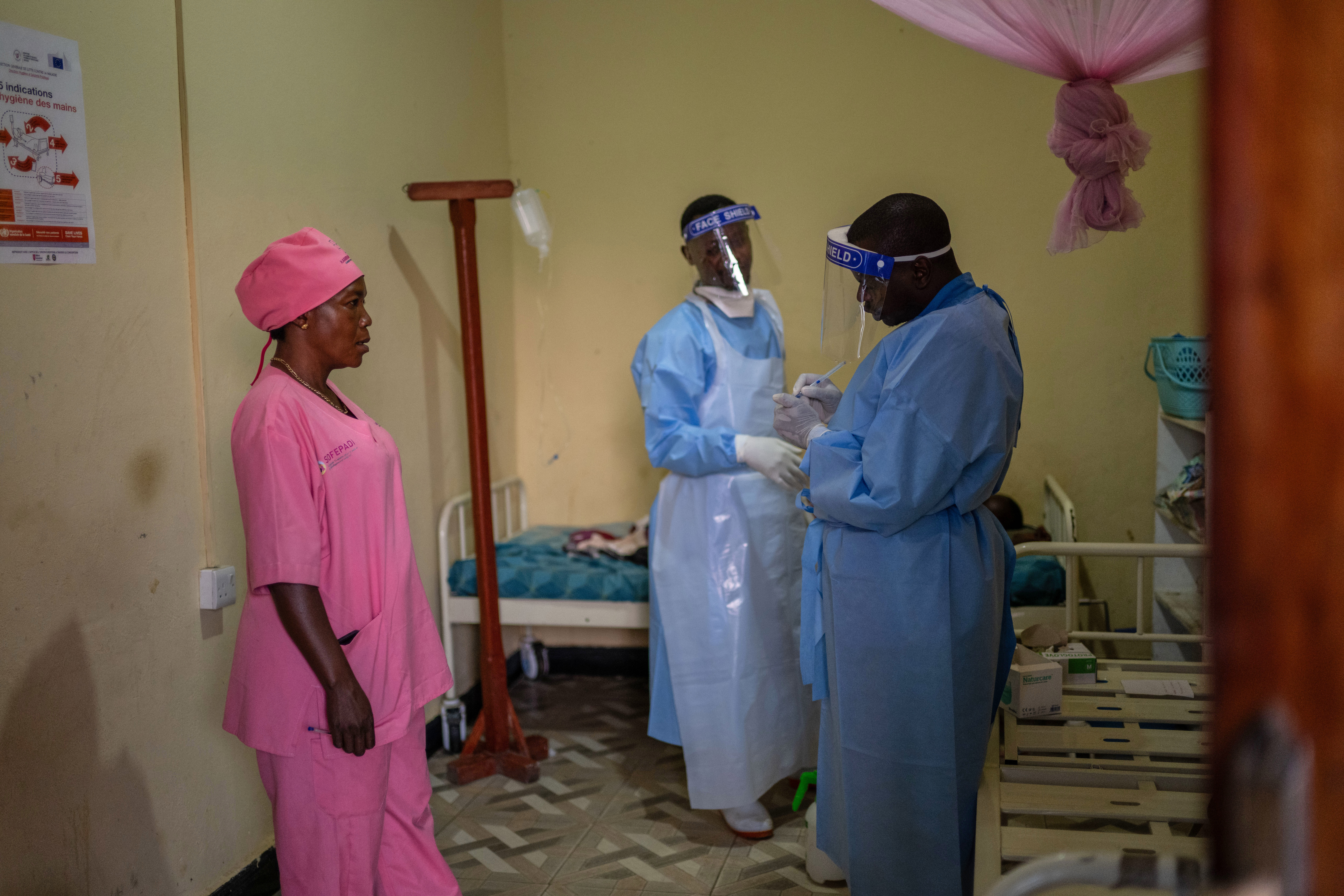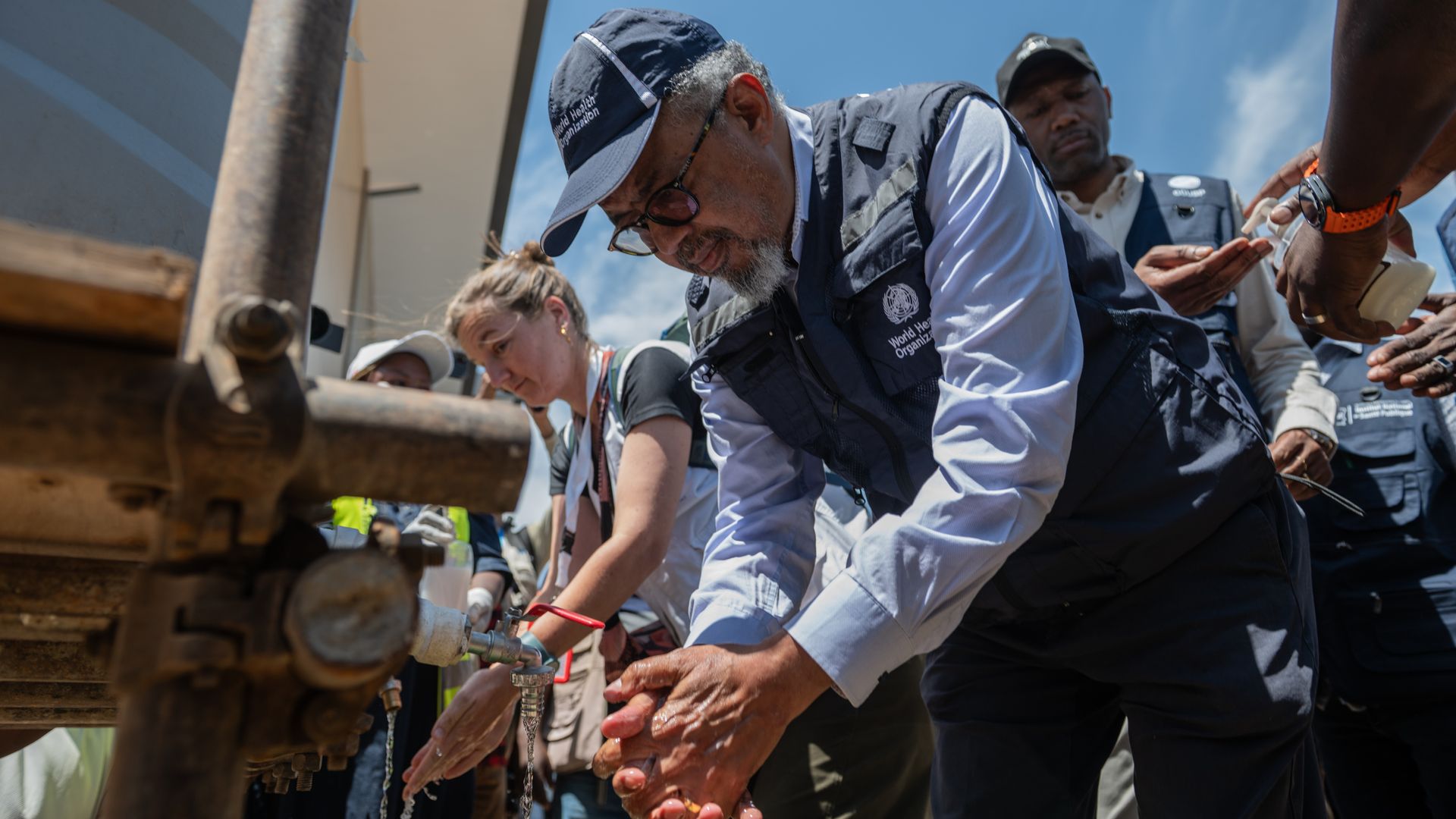
The World Health Organization is losing the race against a volatile new Ebola outbreak in the Democratic Republic of Congo. As WHO Director-General Tedros Adhanom Ghebreyesus traveled to the epicenter in Bunia, the virus had already logged over 900 suspected cases and more than 220 deaths, quickly outpacing international containment efforts. The situation expanded from a regional crisis to a global anxiety when health authorities in Sao Paulo, Brazil, launched an investigation into a suspected case on their own soil. This is not a repetition of past outbreaks. The current epidemic involves the rare Bundibugyo strain of the virus, for which there is no approved vaccine and no licensed treatment.
While public health statements emphasize international solidarity and the deployment of field laboratories, the reality on the ground reveals a severe disconnect between global health strategy and local reality.
The Blind Spot of Modern Containment
Global health agencies excel at deploying high-tech isolation pods and distributing digital tracking tools. However, these tools prove ineffective when the population actively avoids the medical infrastructure. In Ituri province, the epicenter of the current crisis, local residents have launched coordinated attacks against at least three health centers.
The resistance is not driven by ignorance. It stems from a profound history of institutional distrust.
When international responders arrive in biohazard suits, demand the immediate isolation of sick family members, and ban traditional burial practices, they disrupt deeply significant communal rituals. To a grieving family, a forced medical burial feels less like sanitation and more like a state-sanctioned desecration. Tedros acknowledged this friction during his recent press conference in Bunia, noting that containment fails without community trust. Yet, acknowledging a trust deficit is simple; repairing it while bodies accumulate is entirely different.
The problem worsens because the outbreak is unfolding in a highly volatile geopolitical environment. Eastern Congo is a complex matrix of armed conflict, displacement, and unregulated mining corridors.
Ebola Outbreak Metrics (May 2026)
+------------------------+-----------------------+
| Metric                 | Current Status        |
+------------------------+-----------------------+
| Suspected Cases        | 906                   |
| Suspected Deaths       | 223                   |
| Virus Strain           | Bundibugyo            |
| Available Vaccine      | None Approved         |
| Contact Tracing Rate   | Approx. 20% Daily     |
+------------------------+-----------------------+
Warring factions control critical territory, forcing health workers to flee and rendering systematic contact tracing nearly impossible. According to internal ministry data, responders have managed to follow up with only about 20 percent of identified contacts on certain days. When four out of five potential transmission paths remain unmonitored, containment turns into guesswork.
The Myth of the Hard Border
As panic spreads, neighboring nations are turning to a familiar, flawed strategy: total border closures. Uganda and Rwanda have restricted crossings, while the United States has barred entry to non-U.S. passport holders who recently visited the affected region.
These heavy-handed travel bans often yield counterproductive results. They do not stop the movement of desperate people; they merely push that movement underground.
When official border stations close, traders, miners, and displaced families utilize informal jungle footpaths. This bypasses the health checkpoints entirely, rendering temperature checks and symptom screening useless. Instead of isolating the virus, border closures obscure its path, preventing the collection of actionable surveillance data.
The Threat of a Unvaccinated Strain
Much of the international complacency regarding Ebola stems from the success of Ervebo, the highly effective vaccine utilized in previous outbreaks. However, that vaccine targets the Zaire strain. Against the Bundibugyo strain currently tearing through Ituri, it offers no protection.
The Africa Centres for Disease Control and Prevention has stated that a specialized Bundibugyo vaccine might be ready by the end of 2026. This timeline highlights a critical gap in global preparedness. A vaccine promised months from now offers no protection to the medical workers currently staffing overwhelmed clinics in Bunia.
Doctors Without Borders recently stated that the response has failed to keep pace with the virus, noting that no previous Ebola outbreak has recorded so many cases so quickly after its initial declaration. The true scale of the epidemic remains unknown because local surveillance systems are largely non-functional.
          [Unregulated Mining Corridors]
                        │
                        ▼
[Active Armed Conflict] ──► [Surveillance Collapse] ──► [Undetected Regional Spread]
                        ▲
                        │
          [Community Mistrust & Resistance]
The Transatlantic Leap
The investigation of a suspected case in Sao Paulo, Brazil, demonstrates how quickly local surveillance failures can escalate into global vulnerabilities. In an interconnected economy, an individual can incubate a virus in an isolated mining camp in Ituri and land in a major South American metropolis before showing any clear symptoms.
Whether the Brazilian case tests positive or negative, its presence serves as a warning. Public health systems worldwide are structured to react to known threats rather than managing highly unpredictable variants under chaotic field conditions. If a rare strain escapes the containment zone undetected, urban emergency rooms globally will face immediate pressure.
The standard playbook of deploying international experts to a localized zone is reaching its limits. If the WHO cannot negotiate a local ceasefire to allow comprehensive contact tracing, the virus will continue to utilize porous regional borders and international flight paths to expand its reach. Containment requires more than clinical capability; it demands access, safety, and community cooperation. Without these elements, global health agencies are merely observing an expanding crisis.