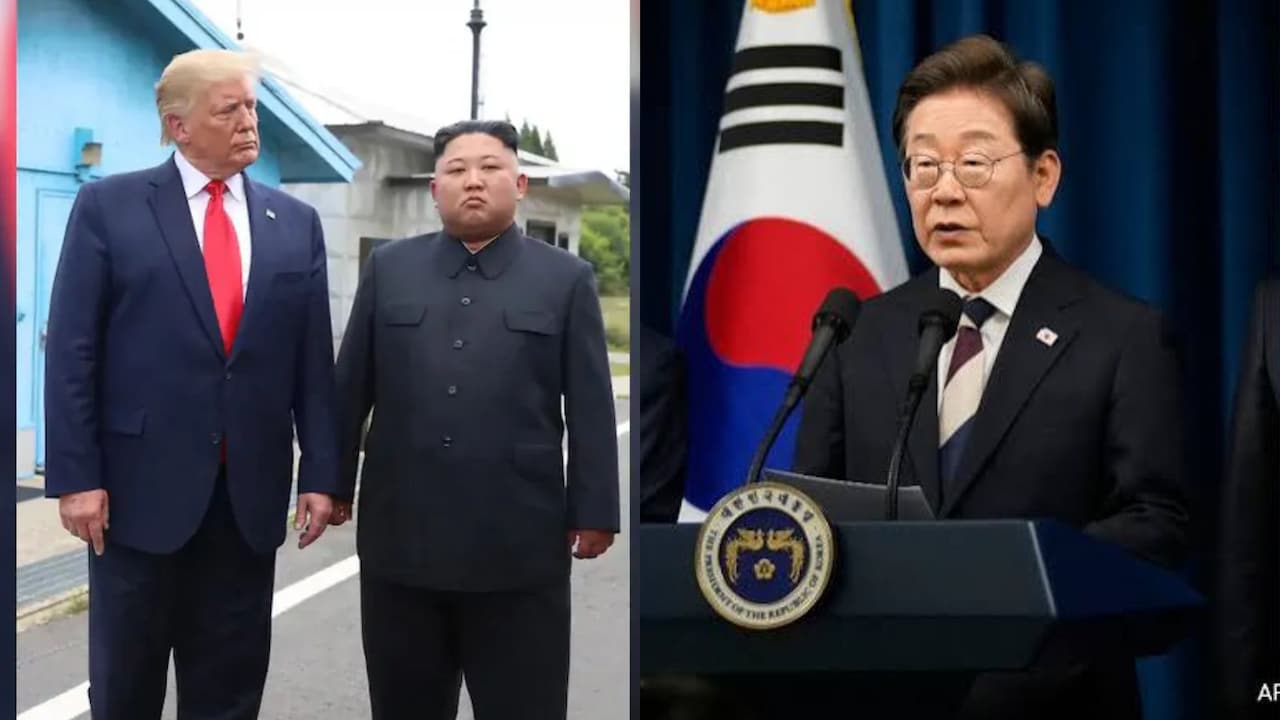
The timing was entirely characteristic. Hours before the scheduled commencement of the annual Ulchi Freedom Shield exercises on the Korean Peninsula, White House directives abruptly upended decades of joint military doctrine. Citing a personal rapport with Pyongyang leadership and expressing explicit frustration over Seoul's refusal to align with American objectives in the Middle East, the administration ordered the Pentagon to substantially compress the scale of the allied war games.
For Seoul, the sudden pivot triggered immediate political whiplash. Official responses from the presidential Blue House walked a tightrope, publicly welcoming the prospect of renewed diplomatic channels while quietly scrambling to assess the degradation of immediate deterrent readiness. Beneath the surface diplomacy lies a stark strategic reality: alliance management has been explicitly transactionalized, tied directly to secondary geopolitical demands completely divorced from the immediate defense of the 38th parallel. If you enjoyed this article, you might want to check out: this related article.
The rationale provided via social media channels was twofold. First, Washington pointed to a perceived lack of reciprocity regarding broader strategic priorities, specifically noting that South Korean leadership declined an invitation to join American-led pressure campaigns targeting the Iranian regime. Second, the administration resurrected its long-standing critique of large-scale military exercises as financial drains that send hostile signals to a regime in Pyongyang that has remained outwardly unthreatening to the current White House.
This linkage reveals an underlying strategic calculation that views bilateral defense commitments not as permanent architectural pillars of regional stability, but as adjustable economic and diplomatic levers. By penalizing a treaty ally over an unaligned regional dispute, Washington has introduced a profound element of unpredictability into East Asian security calculations. For another perspective on this development, check out the latest update from Reuters.
Pyongyang's reaction to date has been measured, reflecting a cynical understanding of Washington's internal political motivations. Regional specialists note that North Korea views partial reductions in allied drills as insufficient gestures, maintaining that full cancellation of the exercises remains the baseline prerequisite for genuine diplomatic engagement. Meanwhile, the North Korean state apparatus continues to expand its nuclear capabilities and strengthen military ties with Moscow, gaining valuable operational experience through external conflicts without needing immediate concessions from Seoul.
The operational consequences for the combined forces command are significant. The Ulchi Freedom Shield maneuvers are not symbolic parades; they are complex, computerized command-and-control operations designed to test readiness against multi-domain threats, including sophisticated drone warfare, global positioning system jamming, and cyber attacks. Trimming the scope of these exercises under political duress risks introducing friction into joint operational readiness at a time when North Korean tactical capabilities are diversifying rapidly.
For South Korean domestic politics, the development exacerbates a growing anxiety regarding long-term American reliability. The erosion of trust is compounded by ongoing trade frictions and previous demands regarding burden-sharing for the maintenance of nearly 30,000 American service members stationed on the peninsula. When core security guarantees appear subject to sudden administrative whims or unrelated diplomatic disputes, domestic calls for indigenous strategic capabilities inevitably grow louder.
The core premise that scaling back military readiness will automatically unlock meaningful denuclearization talks ignores the structural trajectory of North Korea's weapons program over the past decade. Pyongyang has systematically codified its nuclear status into its constitution, shifting away from temporary bargaining tactics toward permanent nuclear-armed statehood. Trading tangible defensive preparedness for the vague promise of renewed summitry repeats the cyclical pattern of past diplomatic stalemates.
As the modified exercises proceed under compressed parameters, the broader security architecture of Northeast Asia faces a silent erosion. The alliance remains intact on paper, but the operational trust holding it together has been severely tested by the realities of transactional foreign policy.
US-South Korea joint military drills begin after Trump orders cuts
This video provides an overview of South Korea's response to the sudden directive from Washington to scale back joint military exercises amid shifting geopolitical priorities.