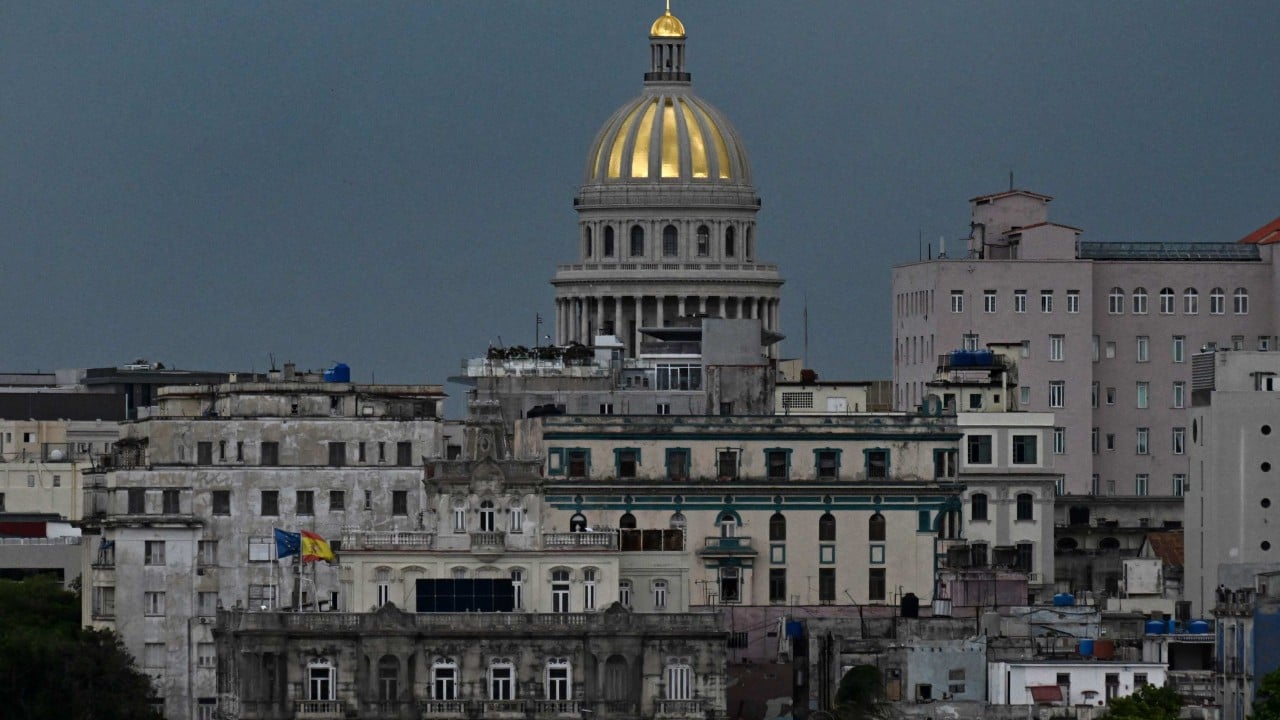
Cuba plunged into darkness again as the national electric system suffered a catastrophic failure, leaving millions of citizens without power and exposing the fragile state of the island's critical infrastructure. This recurring crisis stems from decades of deferred maintenance, severe fuel shortages, and a crumbling transmission network that can no longer sustain basic societal functions.
The Anatomy of a Total System Failure
Power grids do not simply die overnight. They starve slowly.
For months, engineers across the island watched generation capacities dwindle. Fuel oil shipments failed to arrive on schedule. Spare parts sat trapped in bureaucratic customs holds or remained unpurchased due to chronic liquidity crises. When the main thermoelectric plants finally tripped offline, the entire island's electrical architecture experienced a cascading failure.
Transmission lines are old. Transformers are decades past their intended operational lifespan. When one major node drops, the remaining load spikes instantly on adjacent circuits. Safety relays trip to protect substations from melting down, taking entire provinces offline in seconds.
The result is an island-wide blackout. Hospitals scramble to switch over to erratic diesel generators. Water pumping stations halt. Refrigeration fails instantly, spoiling the meager rations families managed to secure.
Decades of Deferred Maintenance
To understand why Cuba suffers from these systemic collapses, you have to look beyond the immediate weather events or fuel blockades. You have to examine an infrastructure starved of capital investment since the collapse of the Soviet bloc in the early nineteen nineties.
The Soviet Union once subsidized petroleum imports and provided high-grade technical parts to keep the Cuban economy humming. When those subsidies vanished overnight during the Special Period, the electrical grid entered a permanent state of triage. Engineers became masters of improvisation. They welded cracked turbine blades together. They rewound copper coils by hand. They kept machinery running on sheer grit long after Western engineers would have condemned the equipment as scrap metal.
Improvisation has a finite horizon. Eventually, physics wins.
A thermoelectric plant requires precise chemical balances in its boilers, high-grade lubrication, and scheduled overhauls of massive steam turbines. Without foreign currency to purchase these specialized materials, local operators must run plants past their safety limits. Small vibrations turn into catastrophic fractures. Tubes rupture inside boilers. The plant goes dark, and the grid loses hundreds of megawatts of baseload power in a single afternoon.
The Fuel Paradox
Electricity generation in Cuba relies heavily on domestic crude oil mixed with imported heavy fuel oil. The domestic crude is high in sulfur and impurities. It fouls burners rapidly, requiring constant cleaning and maintenance that downtime schedules rarely permit.
Meanwhile, foreign oil imports have slowed to a trickle. Geopolitical allies attempt to plug the gap with sporadic tanker shipments, but payment disputes and tightening international shipping insurance rates complicate deliveries. When a tanker fails to dock at the port of Mariel or Matanzas, power plants immediately cut output to conserve the remaining fuel reserves.
This creates a cruel feedback loop. Lower generation leads to rolling blackouts. Rolling blackouts disrupt industrial productivity. Lower productivity reduces export revenues, which prevents the state from purchasing more fuel.
The Human Toll on the Ground
Data and megawatts tell only half the story. On the streets of Havana and Santiago, the collapse of the grid translates into profound human exhaustion.
Traffic lights go dark, turning busy intersections into chaotic free-for-alls. Elevators in high-rise apartment blocks freeze in place, trapping elderly residents on upper floors for days. Cooking becomes a logistical nightmare as electric stoves sit dead and liquid petroleum gas canisters grow scarce.
People sleep on rooftops to catch a stray breeze when indoor temperatures soar without air conditioning or electric fans. Food spoils in silent refrigerators. Small business owners watch their inventory melt or rot, wiping out weeks of earnings in a single afternoon.
Renewable Energy Illusions and Realities
Government officials frequently point toward renewable energy targets as the ultimate fix for the island's energy woes. Solar farms and wind installations are expanding, backed by international partners looking to diversify the country's energy mix.
Yet renewables cannot stabilize a collapsing grid on their own.
Solar power generates electricity when the sun shines, but without massive battery storage arrays or stable baseload fossil-fuel plants to balance frequency, adding intermittent sources can actually destabilize a fragile grid further. Battery storage technology is expensive. Financing large-scale battery banks requires access to international credit markets that remain largely closed to the Cuban banking system due to ongoing economic embargoes and high sovereign debt defaults.
Without a stable transmission backbone to move power from decentralized solar installations across the provinces to heavy population centers, green energy initiatives remain localized band-aids on a systemic wound.
The Structural Dead End
Fixing the Cuban power grid requires billions of dollars in foreign direct investment, a complete overhaul of tariff structures, and structural economic reforms that allow independent energy producers to operate.
The state monopoly on energy generation and distribution leaves no room for private capital injection or agile supply chain management. Every repair order must crawl through layers of administrative approval. Every spare part must be vetted against complex sanctions compliance frameworks.
Until structural reforms address these institutional bottlenecks, temporary fixes will only delay the next inevitable blackout. The grid remains a ticking clock, waiting for the next worn-out turbine blade to snap or the next delayed fuel tanker to miss its port call.
Millions of citizens wait in the dark, listening to the hum of small, smoky gasoline generators coughing to life on their neighbors' balconies, wondering how long the silence will last this time.