The future of Cornell Greek life hangs by a thread because institutional self-preservation repeatedly collides with student safety. Following severe sexual assault allegations—specifically reports of gang rape and drugging at off-campus fraternity houses—the university implemented sweeping suspensions, mandatory structural reforms, and heightened surveillance, yet the underlying power dynamics remain largely intact. While administrators treat these incidents as isolated behavioral failures by rogue chapters, decades of higher education reporting reveal a predictable cycle of temporary freezes, cosmetic policy shifts, and eventual returns to business as usual.
The catalyst for the current reckoning was stark. Reports emerged detailing an alleged gang rape at an off-campus fraternity residence, alongside multiple accounts of students being drugged at unregistered social events. Campus police issued crime alerts. The Interfraternity Council (IFC) halted social activities. University leadership expressed outrage and promised accountability.
Yet anyone who has covered American universities over the past thirty years recognizes this script. When a crisis hits the front pages of national outlets, the administrative machinery kicks into high gear to contain reputational damage. The immediate response is always a freeze on parties, followed by a task force, a set of new guidelines, and a carefully worded statement affirming the institution's commitment to a safe campus environment.
The Architecture of Plausible Deniability
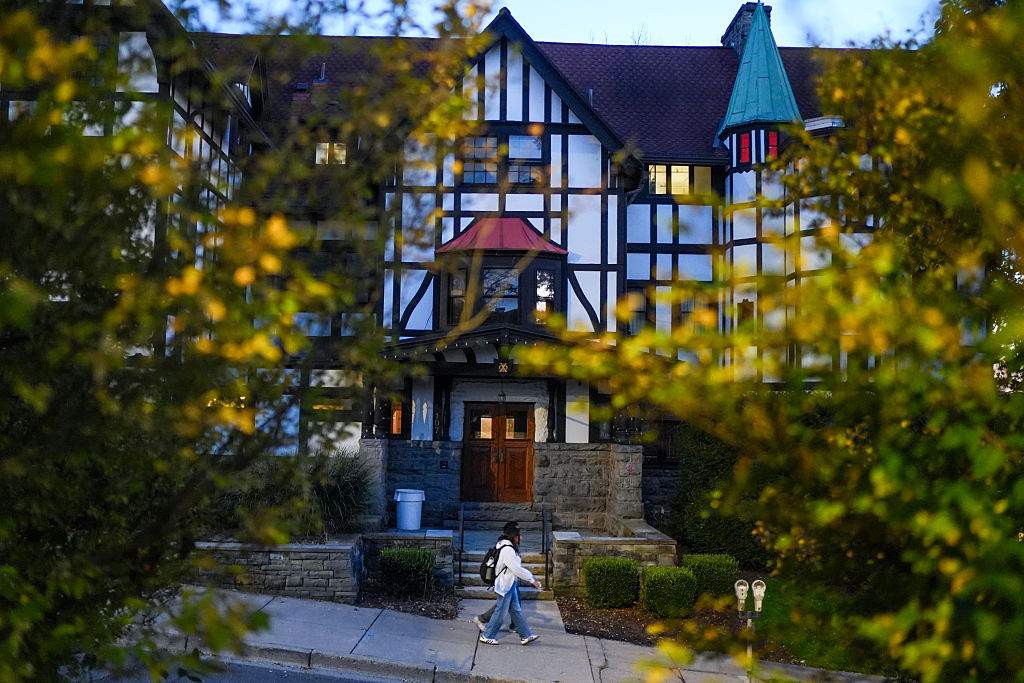
To understand why these crises recur at Cornell and peer institutions, you have to look at the legal and financial firewall separating the university from its Greek organizations. Most fraternities at Cornell operate out of privately owned houses located in Collegetown or along the fringes of campus. They are governed by national headquarters and local alumni boards, not the university's board of trustees.
This arrangement is not an accident. It is a deliberate system of plausible deniability.
When a chapter hosts an event where alcohol is served to minors or an assault occurs, the university can point to the property line and claim limited jurisdiction. Conversely, national fraternity organizations—functioning primarily as risk-management and insurance-pooling entities—distance themselves from the local undergraduate chapter the moment a scandal breaks. They revoke charters, disavow the members, and leave the individuals to face the fallout alone.
The result is an accountability vacuum. Students are left navigating a social ecosystem where the parties responsible for safety have built-in mechanisms to evade liability.
How Unregistered Events Evade Oversight
When Cornell suspends official fraternity social events, the parties do not stop. They simply go underground.
During a social moratorium, recognized chapters lose the ability to register events with the university, which theoretically strips them of institutional backing. In practice, it removes the few guardrails that exist—such as sober monitors, guest lists, and licensed third-party bartenders. Social gatherings shift to unofficial annexes, private apartments, and off-the-books houses rented by upperclassmen.
These annex houses are the true blind spots of campus safety. Because they are not officially affiliated with the national fraternity or recognized by the university's Office of Sorority and Fraternity Life, they operate entirely outside regulatory frameworks. There are no fire marshal inspections for crowd capacity, no institutional oversight of what goes into the punch bowls, and no clear chain of command when an emergency happens.
By banning official parties without dismantling the social monopoly fraternities hold over weekend nightlife, administrators inadvertently push students into darker, less regulated spaces.
The Economics of Alumni Influence
Why does an elite research institution like Cornell tolerate a system that generates recurring liability, public relations disasters, and profound harm to its student body? Follow the money.
Greek life at Ivy League institutions is deeply woven into the alumni donor network. A disproportionate percentage of major university benefactors—the individuals who fund new engineering buildings, endow professorships, and sit on advisory boards—were members of fraternities and sororities during their undergraduate years. For many of these alumni, their financial loyalty to the university is tied directly to their nostalgia for their chapter house.
University presidents know this. Threatening the permanent abolition of Greek life risks alienating a massive, wealthy segment of the donor base. When administrators propose radical changes, the pushback from alumni associations is swift, organized, and financially consequential.
The Real Estate Trap
Beyond donations, there is the physical reality of housing. Cornell, like many universities in rural or semi-rural settings, relies on the Greek system to house a significant portion of its undergraduate population. Hundreds of students live in chapter houses scattered across Ithaca.
If the university were to unilaterally revoke recognition of all fraternities tomorrow, those private properties would not vanish. They would either be converted into unregulated private rentals—continuing to host the exact same parties without even the threat of university sanctions—or the university would face an immediate, severe housing shortage that its existing dormitories could not absorb.
This is the leverage that keeps the Greek system alive. It is not just a collection of student clubs; it is an entrenched real estate and fundraising apparatus.
The Anatomy of Institutional Reform
Following the reports of gang rape and drugging, Cornell introduced a series of behavioral and structural mandates intended to overhaul the culture. On paper, these measures look stringent. They include mandatory live-in advisors for chapter houses, strict bans on hard alcohol, enhanced educational programming on consent and bystander intervention, and tighter restrictions on recruitment timelines.
Let us examine how these reforms actually function on the ground.
- Live-in Advisors: Placing a graduate student or residential advisor inside a fraternity house sounds effective until you consider the power dynamic. One twenty-four-year-old graduate student cannot physically police fifty eighteen-to-twenty-two-year-old men on a Friday night, especially when their own housing stipend depends on maintaining a workable relationship with the residents.
- Hard Alcohol Bans: Prohibiting liquor at registered events is standard practice across the country. However, it encourages pre-gaming—where students consume massive amounts of hard alcohol rapidly in private dorm rooms before arriving at a fraternity house. By the time they walk through the door, they are already severely intoxicated, increasing their vulnerability to predation.
- Deferred Recruitment: Delaying rush until the spring semester is meant to give freshmen time to build non-Greek social circles. Yet, during the fall semester, freshmen still attend fraternity parties, often seeking approval from the very upperclassmen who will decide their membership bids months later. This creates an acute vulnerability, particularly for freshman women navigating an unfamiliar social hierarchy.
These policies address the symptoms of the crisis while leaving the root cause untouched: a gender-imbalanced social structure where one group controls the venues, the alcohol, and the invitations.
The Power Asymmetry on Campus
To understand the mechanics of sexual violence within the fraternity system, you must look at who controls the space. At Cornell, as at most campuses with dominant Greek systems, sororities are historically prohibited by their national organizations from hosting parties with alcohol in their own houses.
This single rule creates an immediate, lopsided power dynamic. Fraternities control the turf. They control the guest lists, the security at the door, the music, and the distribution of drinks. Women enter these spaces as guests, entirely dependent on the hosts for access and basic safety.
When a select group of young men holds a monopoly over the primary social venues on a college campus, entitlement becomes baked into the culture. The physical layout of many fraternity houses—with basements designed for high-volume parties and upper floors containing private bedrooms accessible only via narrow staircases—further isolates vulnerable individuals from their friends.
Bystander Culture and the Code of Silence
When an assault occurs within this environment, the social architecture actively discourages reporting. Fraternities rely on intense internal loyalty, forged through grueling pledge processes and shared secrets. Stepping forward to report a fellow brother for sexual misconduct is treated not as a moral obligation, but as a betrayal of the group.
Survivors face a similar set of social pressures. Reporting an assault often means inviting scrutiny from peers, risking ostracization from the dominant social scene, and enduring a glacial, retraumatizing investigative process.
Even when a survivor does come forward, the dual track of justice—criminal prosecution versus university Title IX adjudication—creates massive hurdles. Local law enforcement requires proof beyond a reasonable doubt, a notoriously difficult standard to meet in cases involving alcohol or incapacitating drugs, where memory is fragmented and physical evidence may be delayed. Meanwhile, university Title IX offices operate under shifting federal guidelines that frequently prioritize procedural fairness for the accused over swift protection for the complainant.
What Genuine Accountability Would Require
If Cornell—or any major university—actually wanted to eliminate the conditions that enable gang rape and systemic abuse within Greek life, the solutions would not look like another round of policy memos. They would require structural dismantling of the current model.
First, universities would need to break the social monopoly. This means investing heavily in alternative, late-night campus venues—student-run pubs, funded concert spaces, and accessible social hubs—that do not require membership in an exclusive organization to enter. When students have safe, appealing places to gather on campus, the cultural stranglehold of off-campus fraternity basements weakens immediately.
Second, institutions would need to enforce true co-ed parity. If single-sex organizations are permitted to exist, the rules governing alcohol and event hosting must apply equally, or national sorority policies banning social events must be challenged. As long as men own the party spaces and women are relegated to the role of invited guests, the power imbalance will persist.
Third, transparency must replace institutional secrecy. Universities routinely shield the disciplinary histories of fraternities behind privacy interpretations, leaving incoming freshmen blind to which houses have a track record of sexual misconduct, hazing, or drugging. Publishing an easily accessible, real-time public ledger of all allegations, investigations, and sanctions—including those involving unofficial annex houses—would allow students to make informed decisions about their own safety.
The Counter-Argument From Defenders of the System
Defenders of Greek life argue that abolishing or severely restricting fraternities punishes the majority for the crimes of a few. They point to high graduation rates among Greek members, millions of dollars raised for philanthropy, and lifelong professional networks that help students transition into the workforce. They contend that removing university recognition simply severs the last remaining thread of oversight, turning regulated student groups into entirely unaccountable rogue clubs.
There is truth to the oversight argument. Driving fraternities completely off-campus does not erase them; it merely removes the university's ability to levy sanctions.
However, this argument rests on a false binary: either tolerate a system that repeatedly produces severe harm, or surrender all control. Universities possess immense leverage if they choose to use it. They can prohibit enrolled students from joining unrecognized organizations, enforce strict student code of conduct violations regardless of where an offense occurs, and use zoning and municipal partnerships with local city governments to shut down dangerous off-campus party houses. The tools exist. What is missing is the institutional will to absorb the financial and political blowback of using them.
The Cycle Continues
Walk through Collegetown on any given weekend months after a major scandal, and the outrage fades into the background noise of bass lines and crowded sidewalks. The news cycle moves on. The incoming freshman class arrives with no institutional memory of the crime alerts sent out the previous year.
The administrators point to their newly drafted reform packages as evidence of progress. The national fraternities issue statements reaffirming their commitment to brotherhood and integrity. And the underlying machinery—the private houses, the alumni checks, the off-the-books annexes, the unequal control of social space—remains precisely where it has always been, waiting for the next inevitable crisis to force another temporary pause.