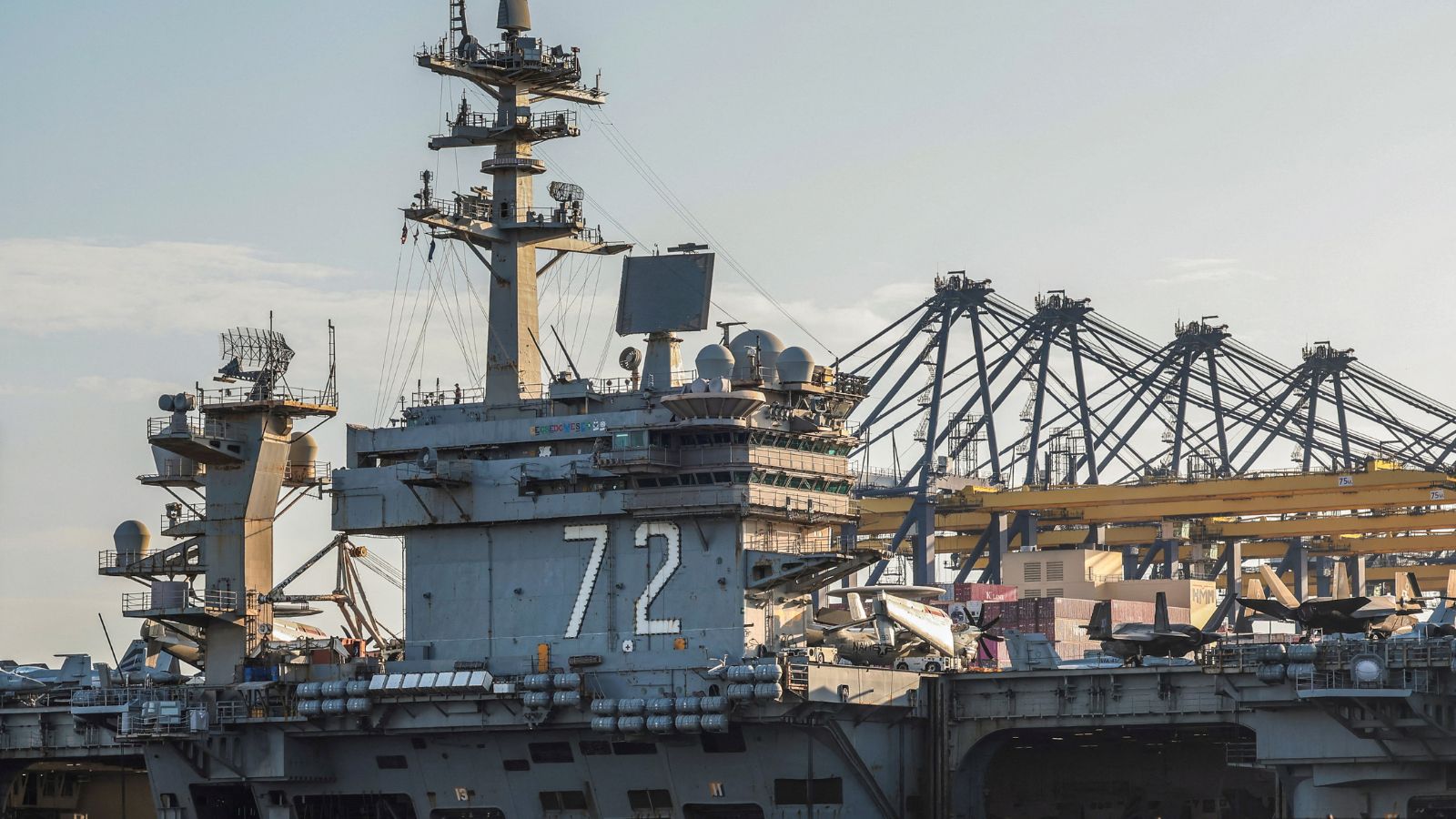
Long deployments break people. When the Trump administration finally acknowledged that eight sailors tied to the USS Abraham Lincoln carrier strike group attempted suicide during a grueling tour, it ripped open a much larger conversation about military readiness, mental health, and the true cost of prolonged combat operations.
For months, families of servicemembers spoke out about broken living conditions, stretched-out timelines, and shrinking food supplies while operating in the Middle East during the conflict with Iran. Top officials initially downplayed these reports, calling descriptions of ship life exaggerated. But letters released by Acting Navy Secretary Hung Cao confirmed the grim reality: across the strike group, eight individuals reached a breaking point. For an alternative view, consider: this related article.
What Actually Happened on the Lincoln
The numbers came to light following inquiries from lawmakers like Senator Kirsten Gillibrand. Cao’s response clarified that while no sailors died by suicide onboard, eight distinct attempts occurred across the entire strike group—including the carrier itself, the air wing, destroyer squadrons, and escort ships.
The deployment lasted more than 260 days, pushing past standard operational windows. Servicemembers dealt with: Further coverage regarding this has been published by NBC News.
- Severe logistical bottlenecks that temporarily cut meal options down.
- Persistent piping failures and broken desalination units affecting basic hygiene.
- Intense psychological strain driven by active operations against Iran.
Defense leaders defended the timeline. President Donald Trump brushed off the nearly nine-month stint at sea as a standard tour, noting that previous generations spent even longer periods deployed. Defense Secretary Pete Hegseth similarly insisted that conditions had been completely misrepresented by critics.
Yet, the gap between official reassurance and the lived experience of sailors highlights a deep fracture in military culture. When troops are kept at sea for record-breaking stretches without adequate breaks, mental health infrastructure strains under the weight.
The Mental Health Toll of Extended Sea Tours
Why do sailors break under these conditions? Isolation is a primary factor. Being trapped on a steel floating city for over eight months with limited communication to the outside world creates an intense psychological pressure cooker.
Add active combat stressors—such as intercepting incoming threats and managing high-alert defense postures during regional conflicts—and the margin for error disappears. While the Navy pointed out that the Lincoln deployed with mental health professionals, including a counselor, a clinical social worker, and even a therapy dog, resources get stretched thin quickly when an entire crew is exhausted.
Families back home watched helplessly as reports leaked about deteriorating quality of life. Many felt ignored when leadership dismissed their concerns as political noise rather than addressing plumbing failures, food ration adjustments, and sleep deprivation.
Why This Changes the Conversation on Modern Deployments
The fallout from the Lincoln's deployment forces a hard look at how the Pentagon manages force rotation. Keeping carriers on station past normal limits to project power creates hidden costs paid in human endurance.
Military service demands sacrifice, but pushing crews past traditional thresholds triggers cascading failures in retention and morale. When sailors face broken water systems, reduced nutrition, and months away from land during an active naval engagement, mental health crises become predictable outcomes rather than isolated tragedies.
The acknowledgment of these eight suicide attempts should serve as a permanent turning point for how the Department of Defense evaluates shipboard conditions. Fixing the military doesn't mean ignoring hardship. It means listening to the people on the deck plates before the pressure turns fatal.
US government acknowledges eight suicide attempts on the aircraft carrier Abraham Lincoln
This short video clip provides a concise visual summary of the official acknowledgment by the U.S. government regarding the suicide attempts on the USS Abraham Lincoln.