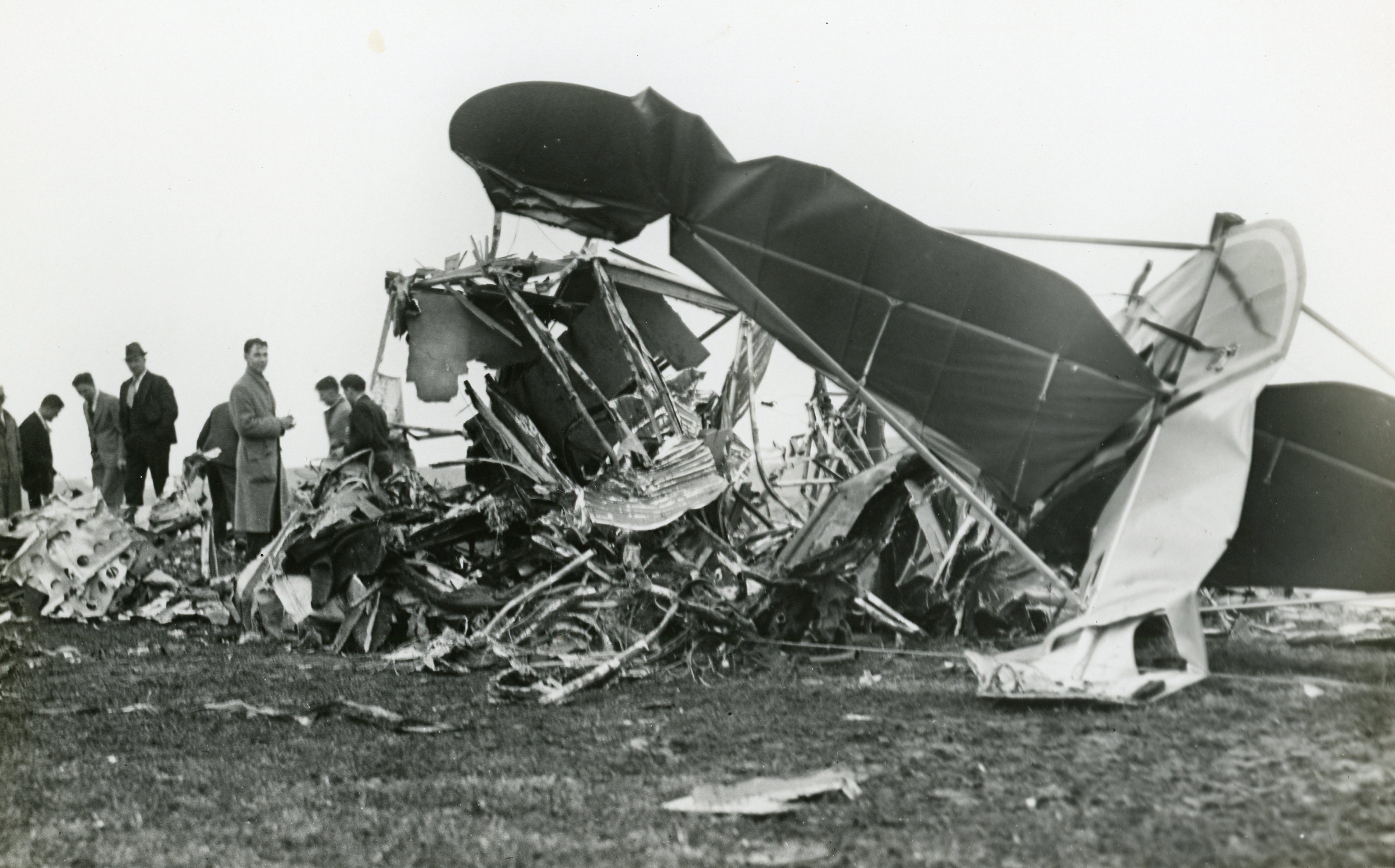
An explosion at a military base in the western Bolivian city of Viacha left at least 10 people dead and more than 60 injured, exposing critical safety protocol failures. The blast occurred at approximately 2:30 p.m. local time on a Friday, centered within a defense ministry stockpile used for pyrotechnic materials. Local health authorities, including Viacha health director Rita Nebraska, confirmed that the death toll climbed into a range of 10 to 15, while emergency rooms scrambled to treat over 58 wounded individuals, the vast majority of whom were civilians living adjacent to the facility.
The disaster in Viacha, located roughly 30 kilometers southwest of the administrative capital La Paz, raises urgent questions regarding ordnance and explosive material storage management in urban zones.
The Anatomy of a Municipal Catastrophe
When military logistics intersect with dense urban populations, the margin for error shrinks to zero. It vanished entirely in Viacha.
Initial reports from Bolivia's defense ministry offered a classic bureaucratic reflex, downplaying the severity with early statements claiming only minor material damage before casualties could be verified. That narrative dissolved within hours as mobile phone footage captured thick plumes of black smoke billowing over the city center, followed by terrifying shock waves that shattered windows across dozens of residential blocks.
Defense Minister Ernesto Justiniano later confirmed that out of the scores of wounded civilians and military personnel, dozens required immediate transport to regional medical centers. Among them was a young girl suffering from severe third-degree burns, a stark visual representation of the human cost borne by a community sitting in the shadow of an unsecured military stockpile.
Infrastructure and Oversight Gaps
Stockpiling pyrotechnics and explosive ordinances within municipal boundaries demands rigorous environmental and safety controls. Municipalities like Viacha, housing approximately 100,000 residents, operate under continuous vulnerability when defense infrastructure fails to meet modern hazard separation standards.
Historically, military installations across the region struggle with aging storage facilities, chronic budget constraints, and deferred maintenance. When volatile materials degrade without proper climate control or safety buffer zones, the risk profile changes from a manageable internal asset to an active civic hazard.
Firefighters on the ground in Viacha issued immediate warnings following the initial blast, noting that persistent heat sources remained active within the ruined compound. This secondary threat forced emergency responders to establish a restrictive 150-meter perimeter, delaying forensic recovery efforts and highlighting the acute volatility of the remaining material.
The Civilian Toll and Accountability Deficit
The composition of the casualty list tells the real story. Over fifty of the injured were civilians, people going about their afternoon routines in a city center unequipped for a structural military disaster.
When a defense ministry stores explosive or pyrotechnic materials inside urban municipal perimeters, accountability cannot end with a standard investigative commission. Institutional transparency requires public disclosures on why hazardous materials were housed in close proximity to civilian housing blocks without adequate blast mitigation barriers.
Emergency medical infrastructure in the La Paz department faced an immediate strain. Fourteen of the most critical trauma cases required emergency evacuation to La Paz hospitals, stretching an already overburdened public health network.
As state investigators sift through the charred debris in Viacha to determine the exact spark that triggered the devastation, the broader structural failure remains unaddressed. Defense logistics in the region continue to operate on borrowed time, leaving densely populated civilian neighborhoods exposed to industrial hazards they never consented to live beside.