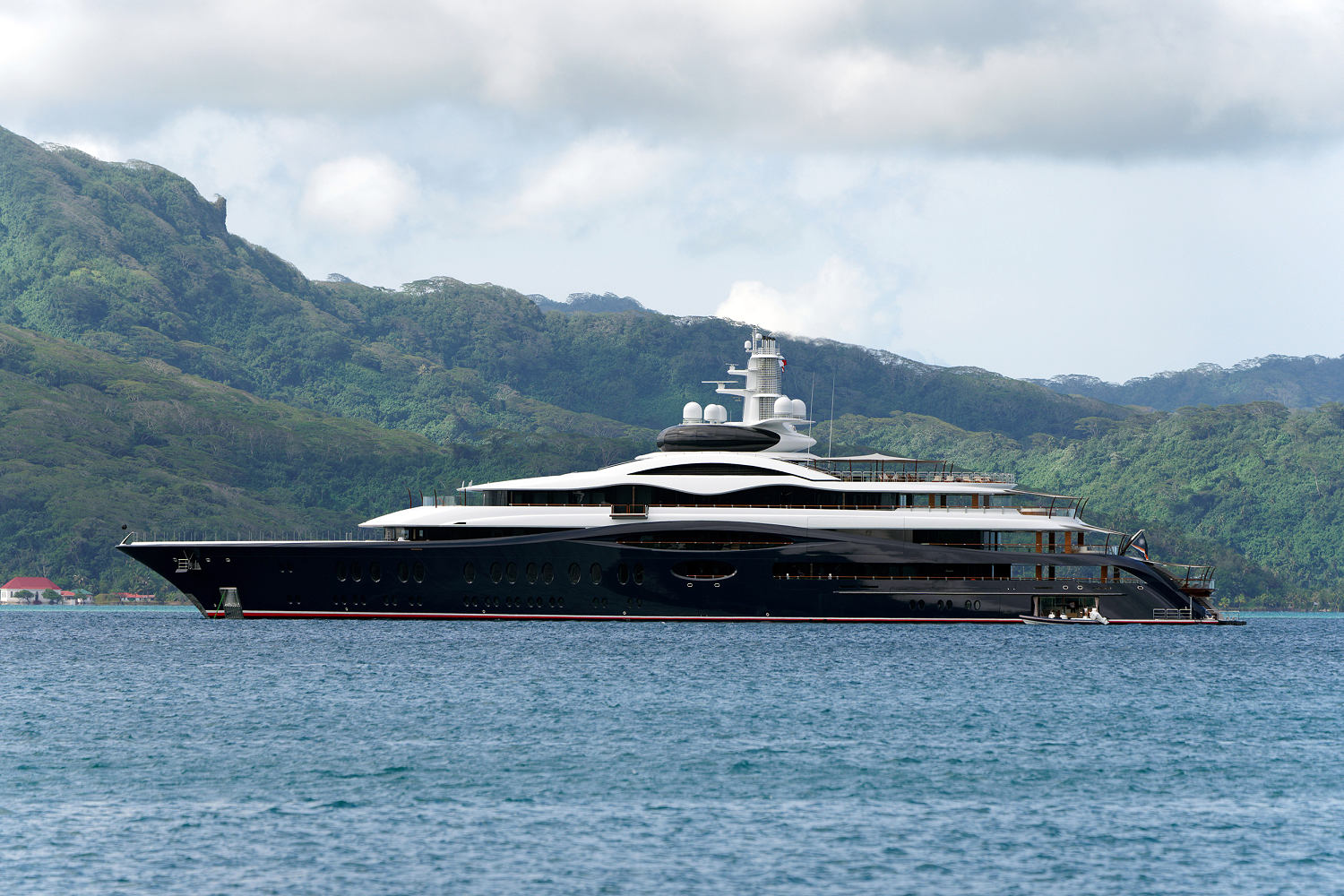
When a 21-foot skiff ran out of fuel between Petersburg and Juneau in early August, a routine maritime assistance request turned into a flashpoint of public scrutiny. The core controversy centers on the allegation that Mark Zuckerberg’s 387-foot superyacht, Launchpad, was closer to the stranded vessel than any other craft yet failed to answer the call, leaving a small cruise ship to render aid instead.
Understanding this incident requires looking beyond viral headlines and examining how modern ultra-luxury vessels operate in remote waters, the mechanics of maritime radio communication, and the shifting optics of billionaire-class privacy versus civic duty at sea.
The Anatomy of a Maritime Miscommunication
Maritime safety relies on structured communication protocols managed by the United States Coast Guard. When the disabled skiff found itself drifting in Alaskan waters, the initial contact went to authorities around 9:30 PM. Coast Guard assessments established that the vessel was not in immediate peril or sinking, categorizing it as a routine request for a marine assist rather than an emergency distress call.
Approximately thirty minutes later, a broadcast request was relayed to nearby traffic. Public tracking data indicated that Launchpad—a vessel valued at roughly $300 million—was positioned nearby.
However, representatives for the vessel’s owners offered a technical explanation for the silence. The professional crew aboard Launchpad was reportedly monitoring a different radio frequency channel from the one used for the Coast Guard broadcast.
In professional yachting, security protocols often dictate specific watch schedules and isolated communication channels. By the time the crew reviewed the broadcast traffic, an alternative vessel, the small cruise ship Wilderness Legacy, had already intercepted the coordinates and initiated the tow into Farragut Bay.
The Optics of Superyacht Isolation
The incident quickly gained traction online after passengers aboard the assisting cruise ship learned that the multi-hundred-million-dollar mega-yacht had remained stationary during the broadcast. Reports of audible dissatisfaction from passengers highlighted a deeper cultural friction.
Superyachts like Launchpad are engineered for total autonomy and privacy. These floating compounds frequently utilize advanced electronic shielding, discrete support vessels like the accompanying shadow boat Wingman, and encrypted communication systems.
When a vessel of this scale maintains distance from standard regional chatter, it creates an unavoidable perceptual chasm between the ultra-wealthy elite and ordinary mariners navigating the same coastal corridors.
The public reaction underscores an unwritten maritime expectation. Historically, code or custom dictates that those best equipped to help should answer when called upon, regardless of whether a situation constitutes a life-or-death emergency.
Maritime Law and the Reality of Assistance
Under international maritime traditions, the obligation to render assistance is clear when lives are in immediate danger. In situations involving non-emergency breakdowns, such as a fuel shortage in calm waters, the calculus shifts toward logistics and capability.
Commercial operators and local cruise ships often possess specialized shallow-water towing gear and local familiarity that large mega-yachts are poorly configured to deploy safely. Launchpad is a massive displacement vessel built for deep ocean cruising, not harbor towing operations. Deploying a tender from a 387-foot platform requires precise personnel deployment and risk management, factors that professional captains weigh carefully before altering course.
The controversy highlights the persistent tension between modern ultra-high-net-worth privacy measures and the tight-knit, mutually dependent culture of coastal seafaring. As maritime traffic grows in sensitive wilderness regions, the expectations placed on billionaire-owned tonnage will only intensify, transforming routine operational protocols into high-stakes public relations tests.


