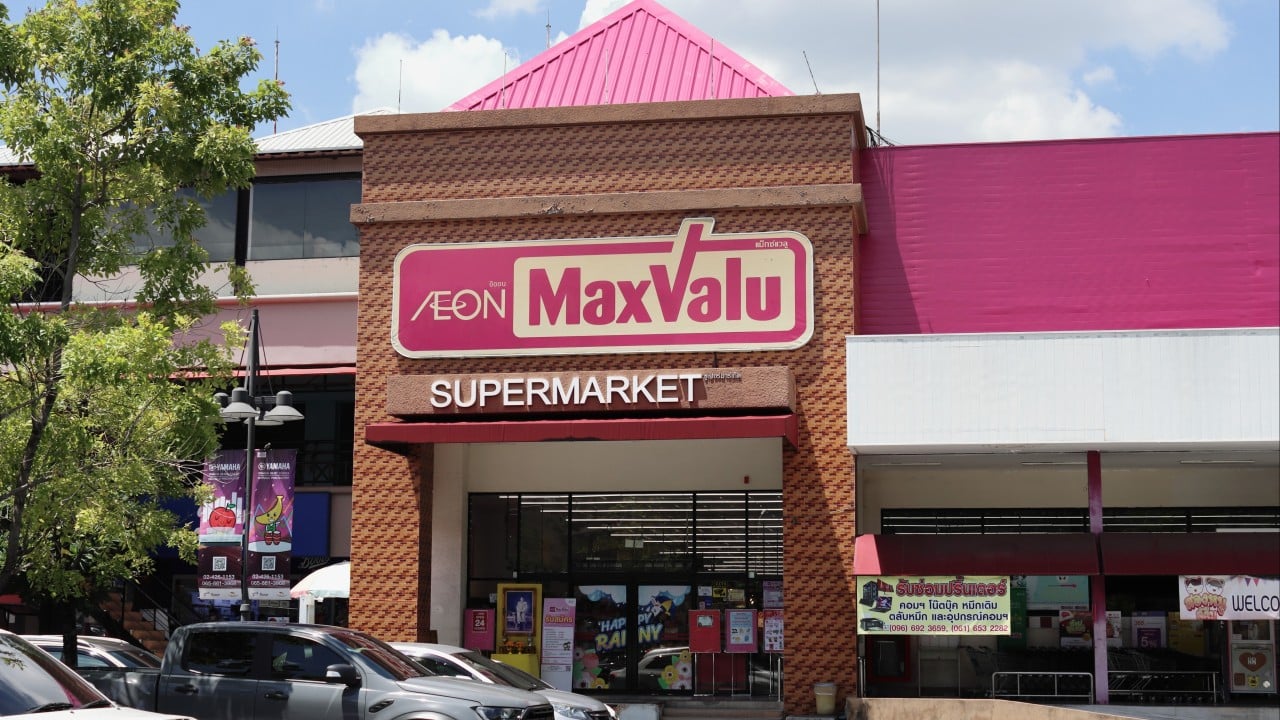
Japanese corporate titan Aeon recently finalized a quiet, seismic retreat from the Thai supermarket sector, offloading its entire MaxValu network to Central Retail. Decades of institutional presence wrapped up in a boardroom signature. For forty-two years, Tokyo tried to crack the code of modern Thai grocery shopping. They built a localized footprint, fine-tuned supply chains, and watched margins slowly bleed out under the pressure of entrenched local heavyweights.
Then they packed their bags and headed north. Sixty percent of Aeon’s total ASEAN expansion budget is now locked onto a single target: Vietnam.
This is not a routine portfolio tidy-up. It is a calculated, aggressive migration driven by demographic exhaustion in one market and explosive, upward mobility in another. Retail analysts watching the transaction note that while the corporate press releases speak of strategic reallocation, the ground reality reflects a deeper anxiety over stagnant purchasing power in Bangkok and an insatiable appetite for modern consumerism in Hanoi and Ho Chi Minh City.
The Anatomy of a Thai Retreat
Bangkok's retail grid is a hyper-dense, hyper-competitive combat zone. When foreign entrants try to establish a foothold against domestic operators like Central Group or CP Group, they are fighting an uphill battle against deeply entrenched supply chains, favorable real estate monopolies, and consumers who already possess rigid brand loyalties.
Aeon operated thirty MaxValu and MaxValu Tanjai stores across Thailand. On paper, it looked like a respectable urban convenience play. On the balance sheet, it was a slow-motion margin squeeze. Thai household debt levels have hovered at suffocating heights, dampening discretionary spending on everyday goods. At the same time, rental costs for prime retail slots in urban centers climbed without a corresponding bump in basket sizes.
Rather than throwing good capital after bad, Tokyo chose honorable discharge. Selling the asset to Central Retail allowed Aeon to salvage value from a legacy operation while retaining niche interests in Thai financial and health services. But the core supermarket experiment in Thailand is officially dead.
The capital freed from this exit is not resting. It is moving across borders with ruthless speed.
The Inductive Pull of the Vietnamese Consumer
Vietnam represents everything modern retail strategists dream about: a young population, a rapidly expanding urban middle class, and a massive appetite for experiential shopping. The median age sits near thirty-three. A hundred million citizens are moving through a phase of rapid income expansion, transitioning from basic subsistence spending to lifestyle curation.
When Aeon opened its first major shopping complex in Ho Chi Minh City back in 2014, industry skeptics questioned the heavy capital expenditure. Traditional street markets and small-format neighborhood shops still dominated daily commerce. But the Japanese operator understood a fundamental shift that local mom-and-pop shops could not match: the rising middle class did not just want to buy groceries; they wanted air-conditioned leisure, standardized food safety, and western-style family entertainment bundled under one roof.
Financial disclosures underscore the wisdom of that early bet. Operating revenue from Vietnam recently crossed seventeen billion yen, jumping nearly fourteen percent year-on-year. Profit margins climbed past eight percent, making the Vietnamese subsidiary Aeon's most lucrative market in Southeast Asia outside of China.
Contrast those numbers with the sluggish performance in mature markets, and the board’s directional change becomes entirely rational.
The Mechanics of Expansion
Walking into an Aeon property in Hanoi or Da Nang reveals the operational engine driving these margins. These are not mere grocery stores. They function as massive mixed-use lifestyle nodes.
Instead of relying solely on traditional floor plans, the company utilizes its supply chain dominance to integrate centralized kitchens directly into the retail environment. Freshly baked goods, high-grade ready-made meals, and stringent food safety protocols provide an immediate differentiator against domestic Vietnamese supermarkets that often lack the square footage or capital for in-house culinary infrastructure.
Furthermore, regulatory shifts have cleared the path for foreign players. Under trade frameworks like the Comprehensive and Progressive Agreement for Trans-Pacific Partnership, Vietnam has systematically dismantled archaic restrictions that once required complex approvals for retail spaces exceeding five hundred square meters. This regulatory liberalization coincides precisely with Aeon's capital injection.
The target is explicit: scale the current footprint from a handful of regional properties to thirty sprawling malls nationwide by the end of the decade. To achieve this without burning through excessive cash reserves, the company is pioneering mixed-use developments in partnership with local conglomerates like TTC Group. By embedding retail complexes inside broader residential and commercial developments, Aeon shares upfront construction liabilities while securing guaranteed foot traffic from day one.
The Competitive Horizon
This strategic pivot does not mean an uncontested victory lap. Local giants like Masan Group are aggressively defending their domestic turf. Meanwhile, rival international players such as Thailand’s Central Retail are attempting a counter-expansion inside Vietnam, planning dozens of new hypermarkets and grocery outlets to capture the exact same demographic wave.
The race is no longer about who can plant a flag first. It is about supply chain density, localized product adaptation, and the financial staying power to absorb high initial real estate costs in secondary provincial cities where purchasing power remains untested.
Aeon's exit from Bangkok and simultaneous double-down on Vietnam marks a watershed moment for Asian retail. Old markets built on saturated consumer bases and low margins are being abandoned for high-velocity frontiers where the middle class is still writing its consumption habits.
The capital has shifted north. The real test is whether the physical infrastructure can scale fast enough to meet an entire generation's rising expectations.