Most grand conservation success stories start with government grants or corporate millionaires writing blank checks. They involve boardroom meetings, environmental impact studies, and years of bureaucratic red tape. But the origin of New Jersey’s famous Cedar Run Wildlife Refuge looks nothing like that. It started in 1951 when a couple bought some cheap acreage simply to escape city life.
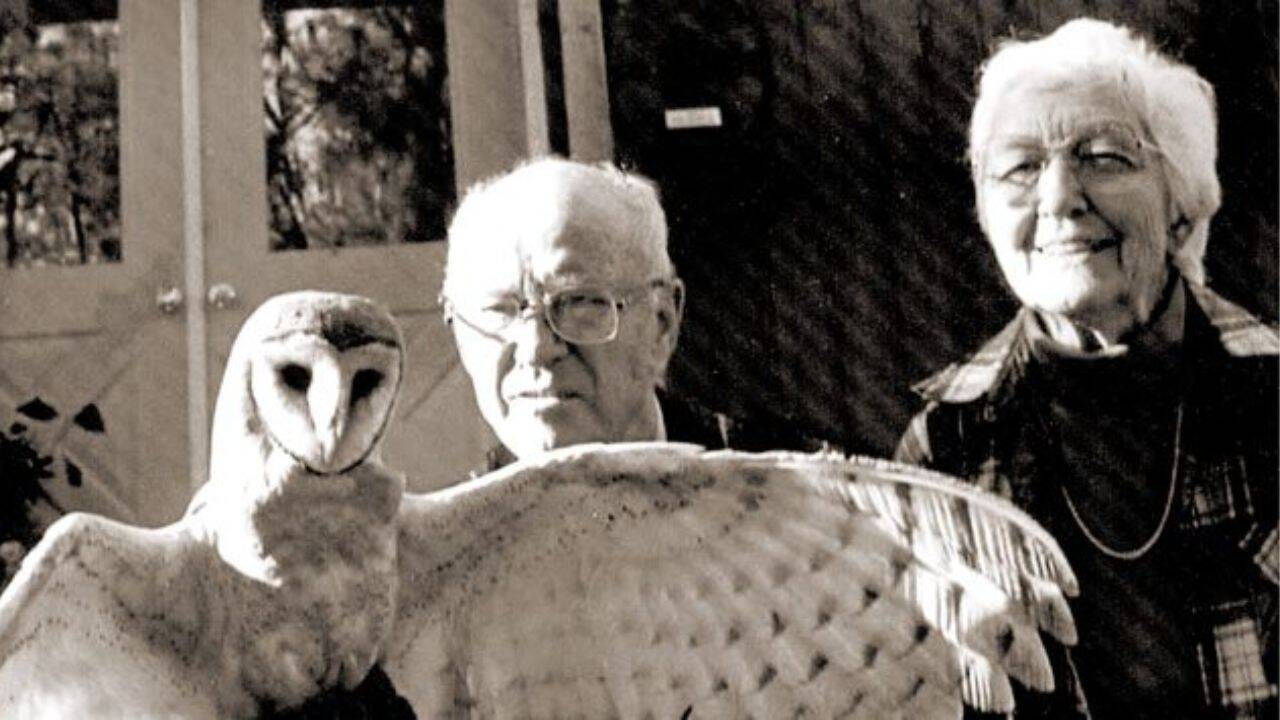
Jim and Betty Woodford didn't set out to save the ecosystem of the New Jersey Pinelands. They just wanted a quiet piece of land in Medford Township to spend their summers. What happened next proves that ordinary people can accidentally stumble into monumental environmental stewardship. If you've ever wondered how a weekend getaway transforms into a powerhouse for wildlife rehabilitation, look at how the Woodfords handled an unexpected visitor.
From Quiet Getaway to Permanent Roots
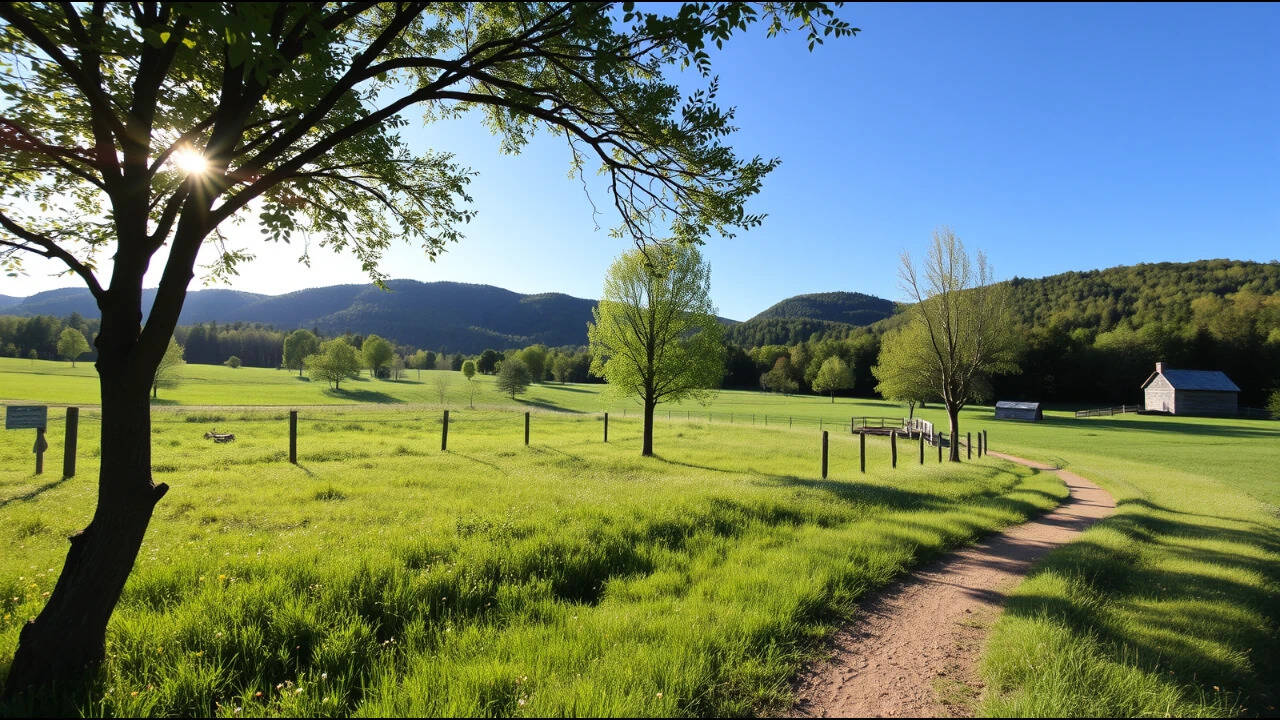
Back in 1951, Medford Township felt worlds away from urban sprawl. The 185-acre parcel the Woodfords purchased offered dense forests, quiet lakes, and the raw, untamed beauty of the Pine Barrens. They initially planned to use it only during the warmer months.
Plans change. The stark quiet and unique ecology of the Pinelands grabbed hold of them. By 1957, seasonal visits turned into a permanent address. They built a home overlooking the lake, embedding themselves directly into the local landscape. Betty developed an intense fascination with the local flora and fauna, teaching herself the botanical and biological makeup of the region long before environmentalism became a mainstream talking point.
The Single Phone Call That Changed Everything
You can't talk about Cedar Run without mentioning the turning point. Grand legacies rarely announce themselves with fanfare. For the Woodfords, it arrived as a frightened bird.
A local resident showed up at their door carrying an injured Great Horned Owl. They wanted to know if Betty could help. She didn't have a veterinary degree or a specialized facility. She just had common sense, empathy, and a willingness to try.
She nursed the bird. It survived. Word spread through the rural community that a couple in the woods was taking in hurt animals.
Soon, a steady stream of injured hawks, foxes, and other displaced wildlife found their way to the Woodford property. What started as a favor for a neighbor evolved into a full-scale rescue operation. Betty became a pioneer in New Jersey wildlife rehabilitation, learning through direct, hands-on trial and error.
Scaling Up the Mission
Caring for wild animals in your backyard gets overwhelming fast. You run out of space, money, and time. Over the next four decades, the Woodfords expanded their personal passion into an organized community effort.
Betty transitioned from a private rehabilitator into an educator. She taught school groups, local scouts, and curious visitors about the delicate balance of the Pinelands. Protecting animals meant protecting the trees, water, and soil they relied on. You can't separate wildlife from habitat.
By 1982, the operation formally established itself as a non-profit organization. This structural shift allowed them to build proper housing for animals that couldn't be re-released back into the wild due to permanent injuries.
Securing the Legacy for Future Generations
Private land is vulnerable. Owners age, taxes rise, and developers circle properties like hawks. The Woodfords needed a permanent shield for their 185 acres.
That protection arrived in 1997 through a Green Acres grant, securing the land and buildings so it could never be bulldozed or subdivided. It was the realization of their ultimate dream.
Today, the footprint spans roughly 171 preserved acres of the original tract. The operation handles roughly 7,000 animals annually through its licensed hospital. Education programs reach more than 20,000 students and scouts every year. Their daughter, Jeanne, alongside dedicated staff and board members, keeps the gears turning.
When you visit today, you walk past habitats housing hawks, owls, and foxes that would otherwise have perished decades ago. It all traces back to two people who bought some cheap dirt in 1951 and didn't turn away an injured bird.