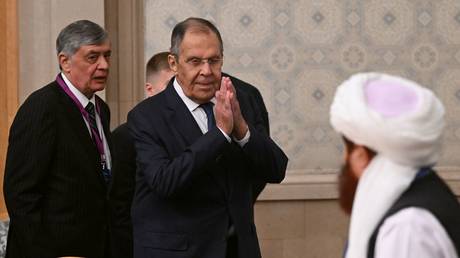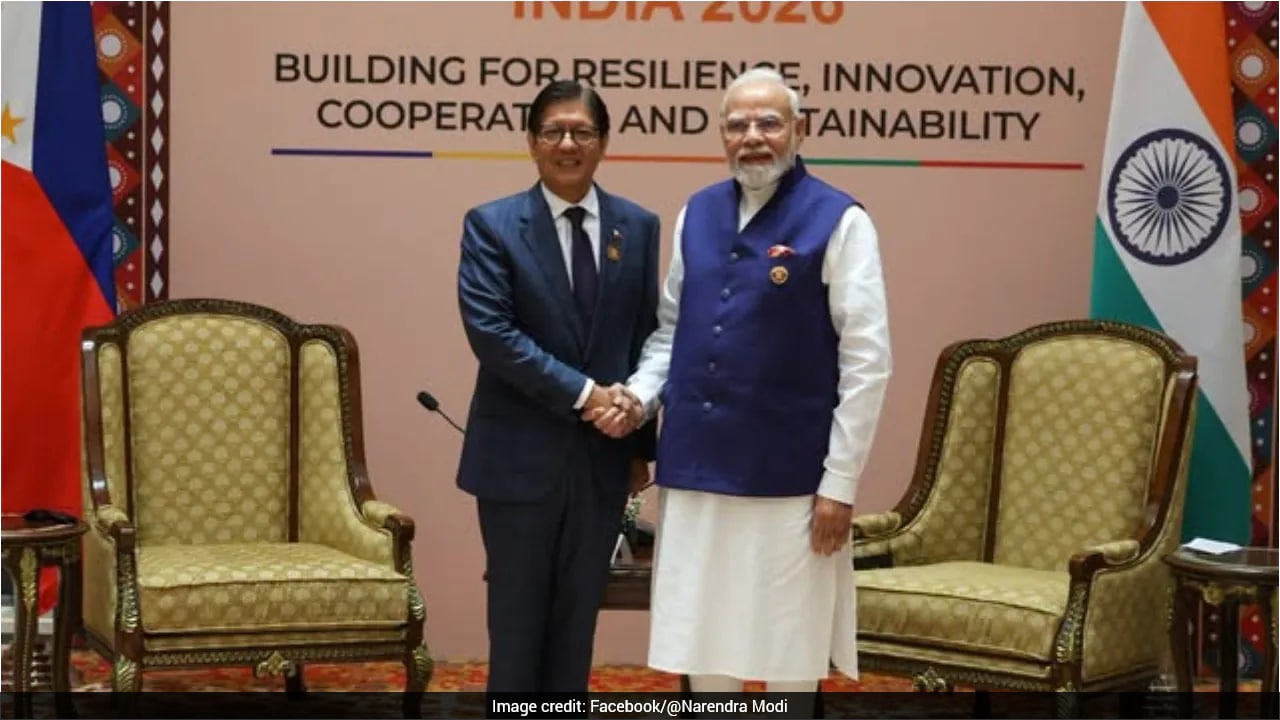
Walk away from a volatile neighbor, and someone else immediately takes your seat at the table. That simple geopolitical math explains why New Delhi doubled down on diplomatic engagement with Naypyidaw right before Prime Minister Narendra Modi boarded his flight for the 2026 ASEAN-India and East Asia Summits in Manila.
Ahead of the November 2026 gatherings in the Philippines, India's Ministry of External Affairs (MEA) made its stance unmistakable. MEA officials stated that there is simply no alternative to engaging with Myanmar's leadership. Why? Because isolating a nation that shares a porous, 1,643-kilometer border with India doesn't bring peace—it creates a power vacuum that rival powers eagerly fill.
The Reality Behind India's Myanmar Engagement Strategy
Western capitals often view Myanmar through a binary lens of democratic norms versus military rule. New Delhi doesn't have that luxury. When you share a massive frontier with a country locked in a multi-front civil war, foreign policy stops being theoretical and starts becoming a matter of domestic survival.
Ahead of PM Modi's arrival in Manila on November 16, 2026, for the 23rd ASEAN-India Summit and the 21st East Asia Summit, MEA Secretary briefings laid out the core logic. Isolation hasn't forced Naypyidaw to change course. Instead, cutting off communication lines leaves India blind to cross-border security threats and hands strategic leverage to Beijing.
Look at what happened earlier in 2026. From May 30 to June 3, 2026, Myanmar's leader Senior General Min Aung Hlaing paid an official visit to India, holding direct talks with PM Modi, External Affairs Minister S. Jaishankar, and National Security Adviser Ajit Doval. Critics called it legitimizing the junta. Pragmatists in New Delhi called it necessary maintenance.
Why New Delhi Won't Walk Away
Three hard realities drive India's refusal to cut ties with Naypyidaw:
- Northeast Border Security: Armed insurgent groups operating in India's northeastern states have historically used Myanmar's rugged terrain as a sanctuary. Without working channels to Naypyidaw—and simultaneously maintaining quiet lines to ethnic armed organizations along the border—Indian security forces lose critical intelligence and coordination.
- Rescuing Trapped Citizens: Cyber-scam compounds operating in Myanmar's borderlands have ensnared thousands of foreign nationals. Over an 18-month period leading up to mid-2026, Indian and Myanmar authorities coordinated to rescue more than 2,400 Indian citizens trafficked into these scam centers. You can't execute those extractions through strongly worded press releases.
- Countering Strategic Encirclement: Beijing already holds deep economic and infrastructure footprints across Myanmar, from rare earth mining in the north to the Kyaukphyu deep-sea port on the Bay of Bengal. If India vacates the diplomatic space, China becomes Naypyidaw's sole lifeline.
How India Balances ASEAN Consensus With Bilateral Pragmatism
Heading into the Manila summits, India faced a delicate diplomatic balancing act. ASEAN has maintained a firm line since the 2021 military takeover, barring Myanmar's senior political leadership from attending high-level summits and restricting representation to lower-level career diplomats.
Does India's direct engagement undermine ASEAN? New Delhi argues the exact opposite.
During the November 2026 briefings, MEA officials explicitly reaffirmed India's strong support for ASEAN-led peace initiatives and the bloc's Five-Point Consensus. At the Manila meetings, ASEAN leaders acknowledged the efforts of Philippine Foreign Secretary Ma. Theresa P. Lazaro, serving as the ASEAN Chair's Special Envoy on Myanmar, following her visits to Naypyidaw in January and October 2026 alongside an ASEAN humanitarian monitoring mission.
India's position aligns with a growing realization across Southeast Asia: punitive isolation has hit a wall. ASEAN itself noted in Manila that its engagement would remain calibrated to ground developments to encourage concrete progress on humanitarian access and violence cessation. India's bilateral track complements this by keeping a direct channel open that can push for stability without forcing ASEAN to compromise its institutional rules.
The High Cost of Infrastructure Delays
Let's talk about what rarely makes the headlines—money and concrete. India has invested hundreds of millions of dollars into connectivity projects meant to link its landlocked Northeast to the Bay of Bengal and Southeast Asia.
The Kaladan Multi-Modal Transit Transport Project and the India-Myanmar-Thailand Trilateral Highway are the crown jewels of India's Act East Policy. Yet ongoing fighting in Rakhine and Chin states has repeatedly stalled construction, disrupted supply chains, and threatened completed sections of roads and ports.
If India freezes diplomatic ties with Naypyidaw, those flagship infrastructure corridors turn into stranded assets. Engaging the authorities in power—while navigating complex local realities on the ground—is the only way New Delhi can protect its physical investments and keep its broader connectivity vision alive.
Common Misconceptions About India's Myanmar Policy
When foreign policy analysts debate India's approach, two major myths constantly pop up.
Myth 1: India supports military rule in Myanmar.
Not true. New Delhi has repeatedly called for an immediate end to violence, the release of political detainees, and a return to an inclusive, federal democratic transition. Hosting Myanmar's leadership or keeping embassies running isn't an endorsement of governance—it's standard realist diplomacy practiced by nations that share borders with unstable neighbors.
Myth 2: Sanctions and diplomatic boycotts would force a democratic transition.
Years of Western sanctions haven't toppled the military administration or halted the civil war. Instead, sanctions pushed Naypyidaw deeper into economic dependency on neighboring powers and fueled illicit border economies like illegal rare earth extraction and transnational cyber-scam networks.
What Happens Next for India-Myanmar Relations
PM Modi's participation in the November 2026 Manila summits—where ASEAN and India rolled out new maritime cooperation agreements, disaster management pacts, and free tourist visas for ASEAN citizens—proves that Southeast Asia remains central to New Delhi's foreign policy. Yet Myanmar remains the hardest test on that map.
Expect India to maintain this dual-track posture going forward. Publicly, New Delhi will continue backing ASEAN's Five-Point Consensus and calibrated regional diplomacy. Privately, Indian diplomats and security officials will keep working the phones with Naypyidaw, local border stakeholders, and humanitarian agencies to secure the Northeast frontier, rescue trafficked citizens, and salvage stalled connectivity corridors.
If you're tracking South and Southeast Asian geopolitics, watch three specific indicators over the coming months rather than summit communiqués:
- Border fencing and Free Movement Regime enforcement: Monitor how New Delhi manages the 1,643-kilometer boundary to curb insurgent crossings without severing ethnic ties.
- Humanitarian corridor access: Look for whether ASEAN's October 2026 monitoring mission translates into sustained aid delivery across conflict zones in Sagaing, Chin, and Rakhine.
- Kaladan project security: Track whether localized ceasefires allow Indian contractors to resume work on the final road link connecting Paletwa to Zorinpui.
Watch MEA ahead of PM Modi's Manila visit for ASEAN Summit for direct remarks from India's Ministry of External Affairs explaining why New Delhi sees no alternative to diplomatic engagement with Myanmar ahead of the regional talks.