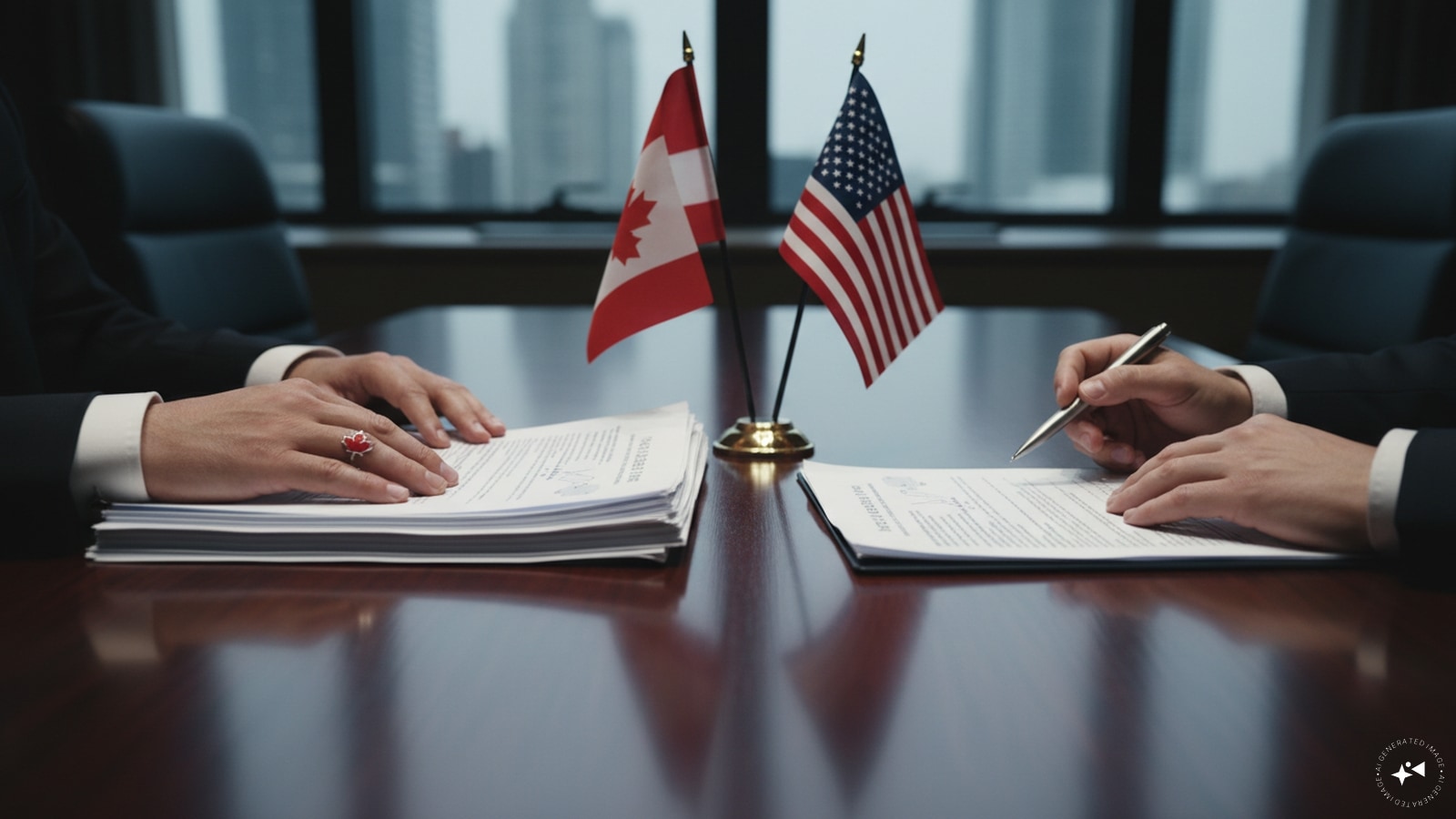
When a major superpower dangles the carrot of trade relief, the temptation to compromise is high. If you look at how recent bilateral negotiations between Canada and the United States collapsed, a stark warning emerges for New Delhi. Ottawa walked away from the table after realizing Washington wanted total control disguised as a compromise. India needs to pay close attention.
The Global Trade Research Initiative (GTRI) has made it clear that falling for conditional tariff relief without locking in permanent, binding protections is a trap. If you are wondering what this means for India's upcoming economic moves, the answer lies in refusing to trade long-term sovereignty for short-term fixes.
The Cost of Conditional Relief
Washington loves to offer temporary reprieves tied to restrictive quotas and heavy domestic concessions. During the failed North American talks, the US proposed scaling back metal tariffs only if Canada crippled its own dairy supply-management system and surrendered control over critical mineral reserves. Worse, they demanded veto power over Canada's right to pursue independent trade agreements with other nations.
That is not a negotiation. That is economic subjugation.
India faces a similar pressure cooker. When Washington slaps Section 301 or Section 232 duties under the guise of forced-labour compliance or national security, the playbook remains identical. They want compliance, policy adjustments, and market access, but offer very little in return. Accepting a weak deal just to secure temporary breathing room for engineering goods or textiles sets a dangerous precedent.
Why Binding Commitments Matter
You cannot build a robust export strategy on handshake agreements that get rewritten overnight. When trade rules change based on political whims, commercial certainty evaporates.
- Enforceable Rules: Any deal with a volatile partner must rely on binding dispute mechanisms, not conditional waivers.
- Preserving Policy Space: India's freedom to sign trade pacts with other global partners remains non-negotiable.
- Protecting Domestic Industries: Agriculture, digital infrastructure, and manufacturing cannot be used as bargaining chips to appease foreign protectionism.
Canadian Prime Minister Mark Carney eventually called out the strategy, noting that the US asked for too much while offering far too little. India's trade negotiators should adopt that exact yardstick. If a prospective agreement requires rewriting national laws or yielding strategic autonomy over critical sectors, it is a bad deal. Walk away.
What India Should Do Right Now
Stop treating bilateral trade pacts as cure-alls. Diversification is your best insurance policy against arbitrary tariffs. India already has a massive market footprint spanning dozens of alternative economies. Doubling down on those relationships reduces reliance on a single unpredictable market.
When dealing with aggressive protectionist measures, retaliatory readiness and legal consistency matter more than appeasement. Protect domestic manufacturing standards transparently, refuse to cave on sovereign policy rights, and demand legally binding tariff reductions upfront. Compromising autonomy for a temporary reprieve only invites harsher demands tomorrow.