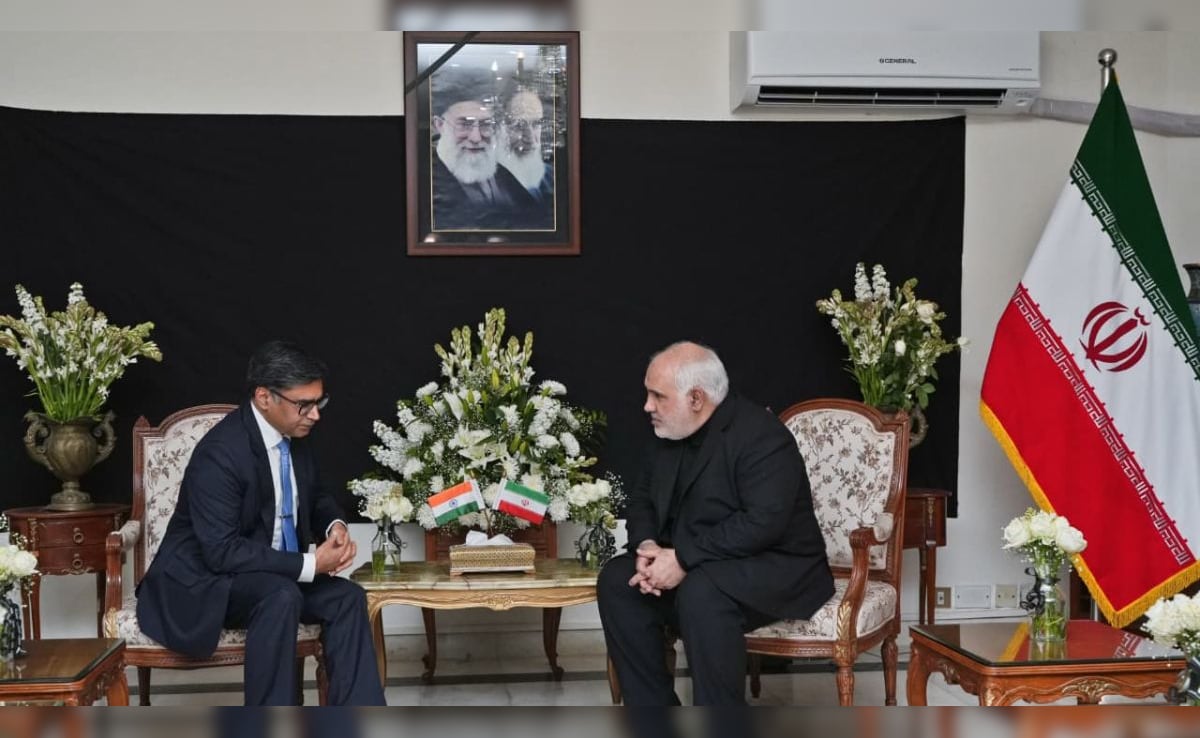
The explosions over Isfahan and the sirens in Tel Aviv didn't just signal a new chapter of Middle Eastern volatility. They shattered the comfortable illusion that New Delhi can forever maintain a perfect balance between two of its most critical partners. For decades, Indian foreign policy operated on the "Strategic Autonomy" playbook. It's a fancy way of saying we don't pick sides. We buy oil from Iran, collaborate on the Chabahar Port, and simultaneously purchase high-end surveillance drones and missile defense tech from Israel. It worked. Until now.
The direct confrontation between Tehran and Jerusalem has changed the math. When these two were fighting a "shadow war" through proxies and cyberattacks, India could look the other way. Now that missiles are flying across sovereign borders, the middle ground is shrinking. It’s getting crowded, uncomfortable, and frankly, dangerous for India’s economic interests. Don't miss our recent coverage on this related article.
The Myth of Parallel Friendships
You've probably heard analysts say India is the only country that can talk to everyone. It’s a point of pride in South Block. We're friends with the Americans, the Russians, the Israelis, and the Iranians. But a friendship is only as strong as its weakest link during a crisis.
India’s relationship with Israel is deep. It’s built on shared intelligence, counter-terrorism, and a massive defense trade. Since the 1999 Kargil War, when Israel stepped up with laser-guided munitions while others hesitated, the bond has been visceral. Fast forward to 2024 and 2025, and Israel has become a top-three defense supplier for the Indian Armed Forces. To read more about the history of this, USA Today offers an in-depth breakdown.
Then you have Iran. This isn't just about history or Persian culture. It’s about geography. Iran is India's gateway to Central Asia and Russia, bypassing a hostile Pakistan through the International North-South Transport Corridor (INSTC). The Chabahar Port is the crown jewel of this strategy. If Iran becomes a pariah state under total Western sanctions or collapses into a full-scale war, India's "Connect Central Asia" policy dies on the vine.
The problem is that Israel and Iran now view each other as existential threats. When your two best friends start trying to burn each other’s houses down, sitting in the driveway and claiming "neutrality" doesn't work. Eventually, the smoke gets in your lungs.
Energy Security and the Shipping Nightmare
Let's talk about the money. Most people focus on the diplomacy, but the real pain is at the petrol pump. India imports over 80% of its crude oil. While we’ve shifted a lot of our buying to Russia recently, the Middle East still dictates the global price.
Every time a drone hits a tanker in the Red Sea or a missile closes in on the Strait of Hormuz, the insurance premiums for shipping skyrocket. The Houthi rebels, backed by Tehran, have already shown how easily they can mess with global trade. For India, this isn't an abstract geopolitical puzzle. It’s a direct tax on every Indian citizen.
If the Iran-Israel conflict escalates into a regional conflagration, the "strategic autonomy" everyone loves to talk about won't pay the bills. The government has to worry about the 9 million Indians living and working in the Gulf. Their safety is a massive logistical nightmare. Remember the evacuation from Kuwait in 1990? Multiply that by ten. That’s the scale we're looking at if the region goes up in flames.
Why Strategic Autonomy is Hitting a Wall
The term "strategic autonomy" feels like a relic of the Cold War. Back then, it meant not joining the US or Soviet blocs. Today, the world is fragmented. India wants to be a "Vishwa Mitra" (friend to the world), but friends have to make hard choices.
Washington is watching New Delhi closely. The US has been incredibly patient with India’s ties to Russia and Iran because they see India as the ultimate counterweight to China. But that patience isn't infinite. If India continues to provide an economic lifeline to Iran while Tehran’s proxies target global shipping, the friction with the West will grow.
On the flip side, if India tilts too far toward Israel, it risks losing its hard-won influence in the Global South and its crucial connectivity projects in Eurasia. It’s a trap.
The China Factor
We can't ignore the dragon in the room. China is loving this. Every bit of American energy spent managing the Middle East is energy NOT spent in the Indo-Pacific. China has also stepped in as a "peacemaker," brokering the Saudi-Iran deal.
If India retreats into a shell of "non-alignment," it leaves a vacuum. China is more than happy to fill it. They’ll offer the security guarantees and the infrastructure investments that India might shy away from. For New Delhi, being "neutral" might actually mean being "irrelevant."
The End of the Balancing Act
The reality is that India’s interests are now too large to be protected by silence. We've seen a shift in tone recently. The Ministry of External Affairs has been more vocal about "de-escalation," but also more firm about the need for maritime security.
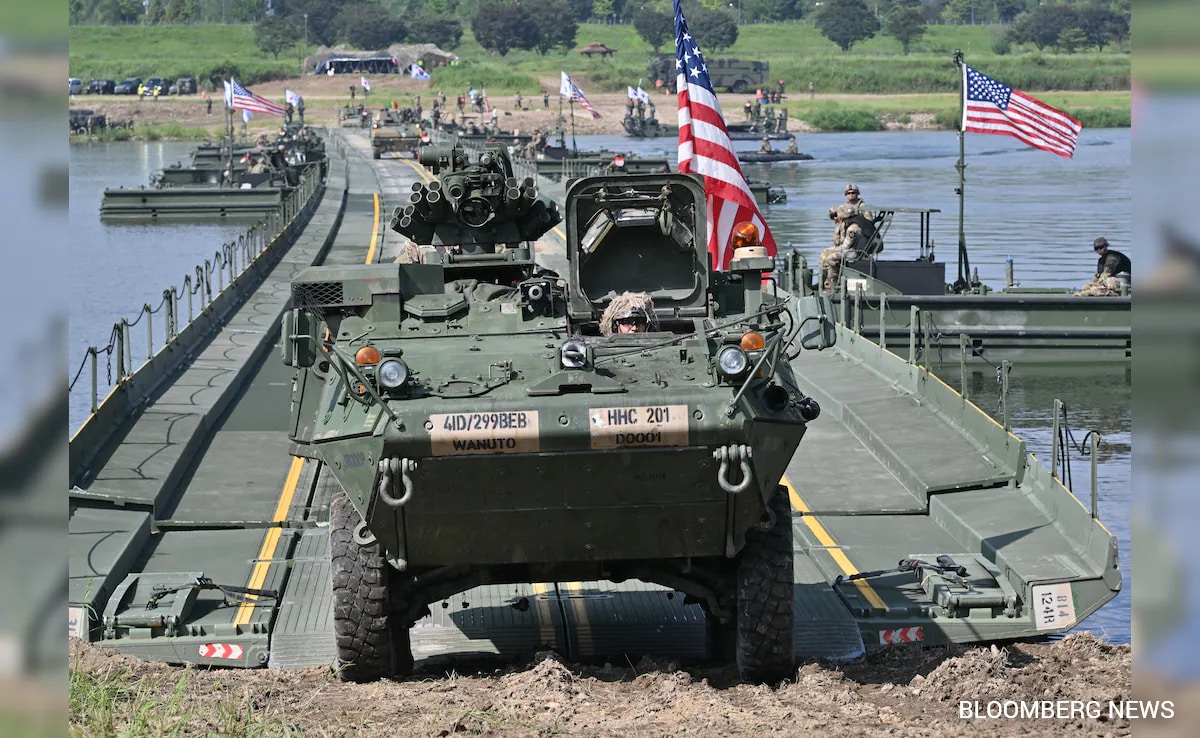
India has started deploying more warships to the Arabian Sea to protect merchant vessels. That's not a neutral move; it's a security move. It’s a signal that while we won't join a formal military alliance against Iran, we won't tolerate the disruption of trade caused by Iran's proxies either.
Strategic autonomy is evolving. It’s no longer about staying out of trouble. It’s about having the power to protect your interests regardless of who is fighting. But that requires a level of military and economic muscle that India is still building.
What India Needs to Do Right Now
The days of passive observation are over. If India wants to be a global power, it has to act like one. That means moving beyond generic statements and taking a more active role in regional security.
- Double down on the India-Middle East-Europe Economic Corridor (IMEC). This is the long-term answer to the instability of the current routes. It links India to Europe through the UAE, Saudi Arabia, Jordan, and Israel. It’s a massive project that bypasses the most volatile choke points, but it requires a stable Middle East to work.
- Expand the naval presence in the Western Indian Ocean. India shouldn't rely on the US or a "coalition of the willing" to protect Indian-flagged vessels. A permanent, heavy presence in these waters is the only way to ensure our energy supply isn't held hostage by regional actors.
- Engage in "Minilateralism." Instead of trying to please everyone at the UN, India should work in smaller groups like the I2U2 (India, Israel, UAE, USA). These groups are more agile and focused on concrete outcomes like food security and energy, rather than ideological battles.
The Iran-Israel war is a wake-up call. It's time to admit that being a friend to everyone sometimes means being a bystander to chaos. India’s future depends on its ability to lead, not just its ability to balance. Stop waiting for the dust to settle. Start building the structures that can withstand the storm.
Monitor the shipping insurance rates and the price of Brent Crude daily. If you're invested in the Indian markets, look at how defense and energy stocks react to the latest headlines from the Middle East. The era of comfortable neutrality is dead. Welcome to the era of hard choices.