The media circus has officially arrived at the 2026 FIFA World Cup, and right on cue, it is focusing on the wrong thing.
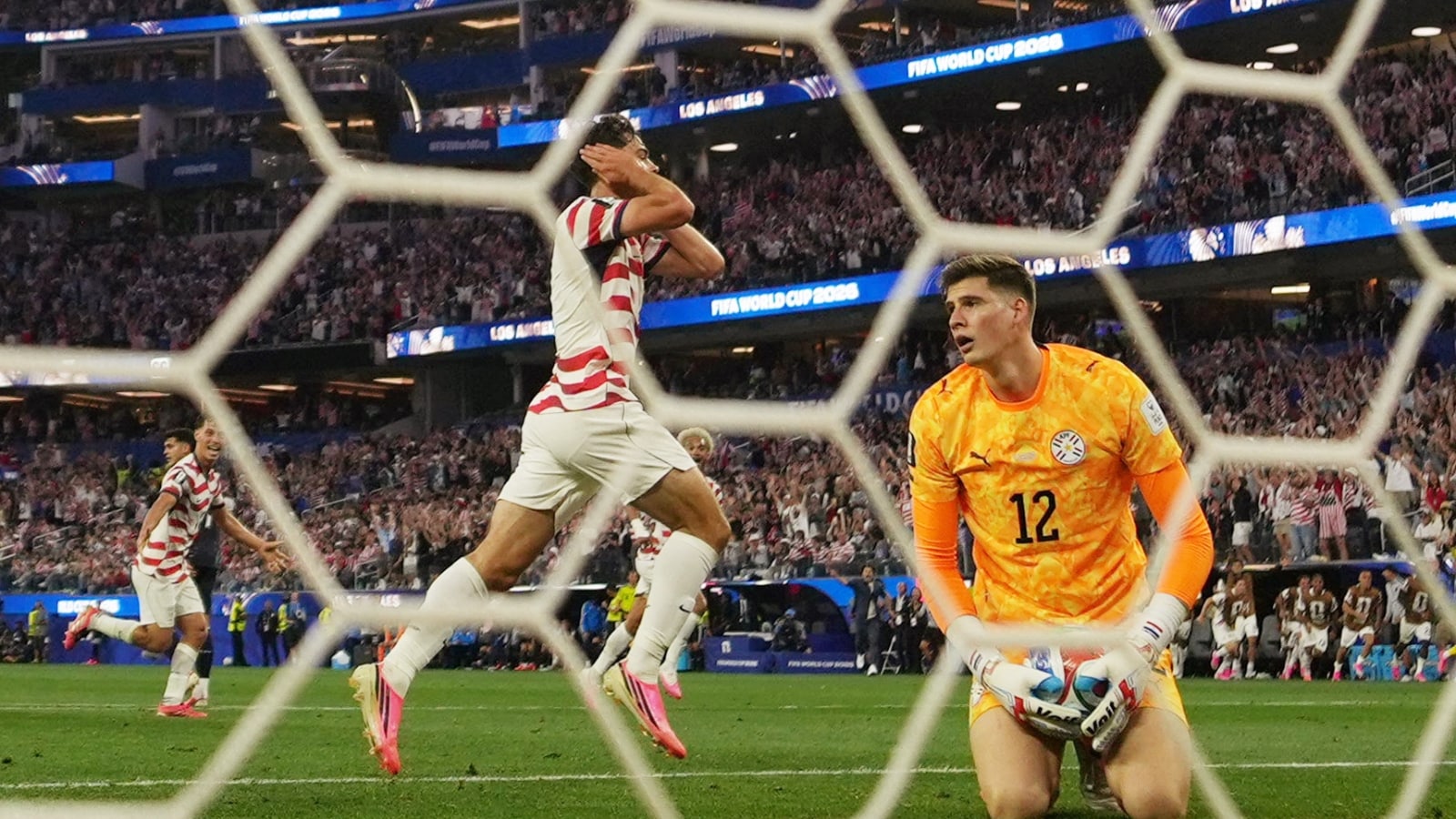
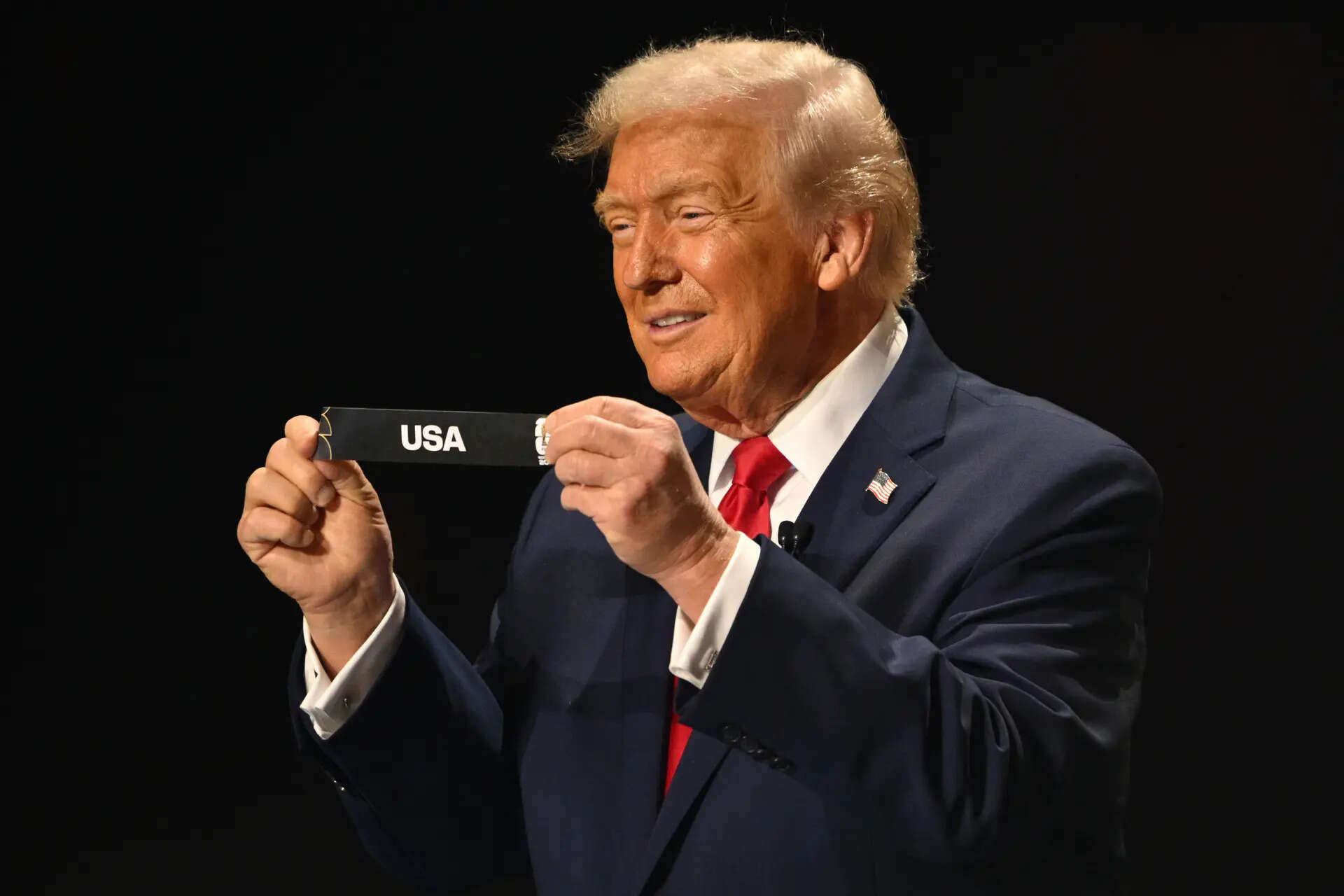
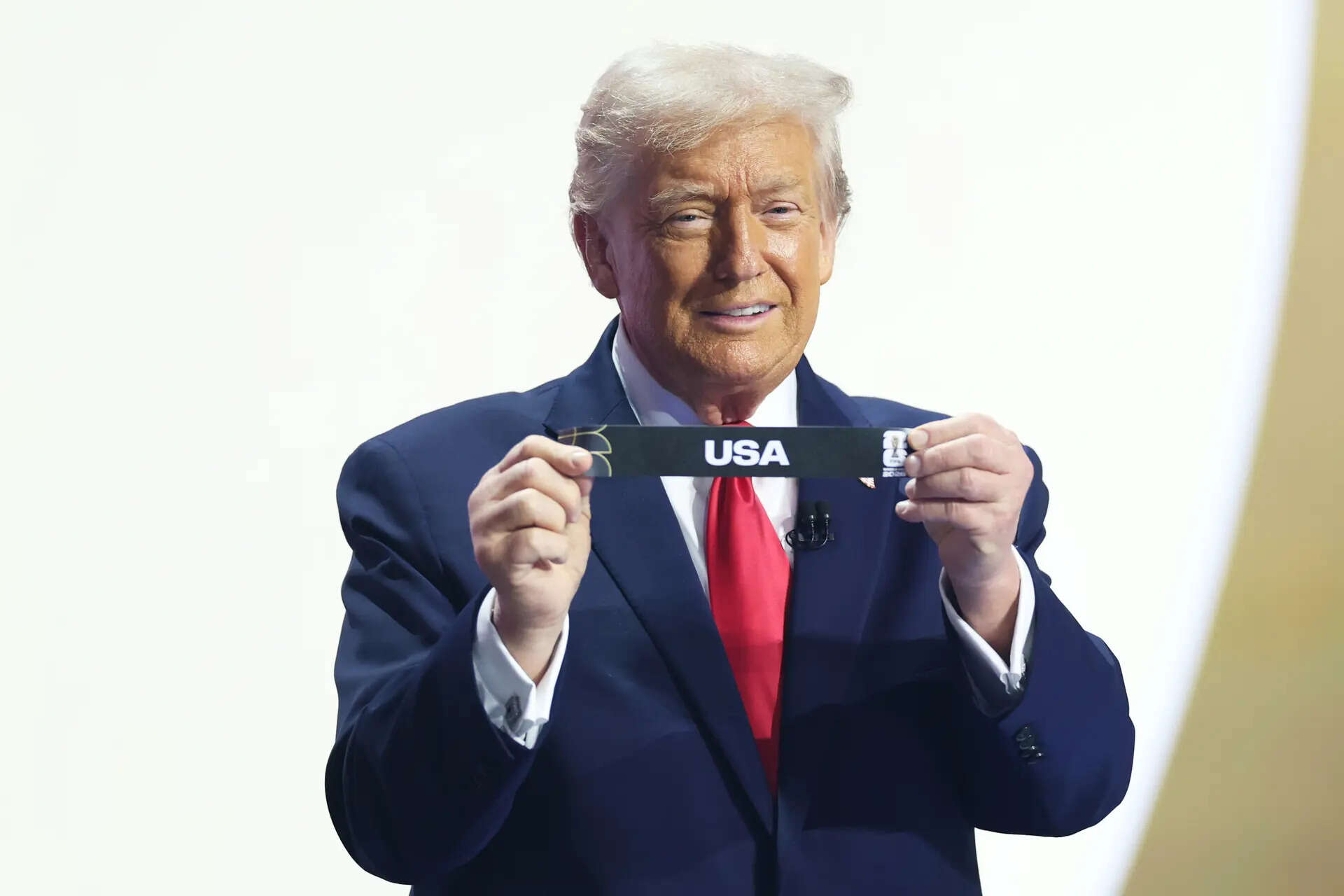
News outlets are tripping over themselves to report on the traditional pre-tournament phone call from the White House to the United States Men’s National Team. The narrative is as predictable as it is lazy: a sitting president dials in, delivers a boilerplate "go get 'em" speech, and suddenly the squad is infused with a mythical, patriotic armor ready to steamroll Paraguay in the group opener.
It is a heartwarming story. It is also complete nonsense.
If a five-minute pep talk from a politician could fix structural defensive liabilities or sudden tactical rigidity, every nation with a telephone would have a gold medal. The obsession with these performative call-ins exposes a fundamental misunderstanding of elite international soccer. We love the myth of executive motivation because it allows us to ignore the brutal, cold realities of tactical preparation and athletic execution.
Let us dismantle the locker room call myth and look at what actually decides a World Cup opener.
The Empty Calories of Political Motivation
National team managers spend years cultivating a highly specific, insular culture within their squads. They endure grueling qualification campaigns, agonizing roster cuts, and intense training camps to build a cohesive unit. The idea that an external voice—no matter how powerful the office—can step in at the eleventh hour and move the emotional needle is an insult to the professional infrastructure of the sport.
I have spent decades analyzing the intersection of sports psychology and high-stakes tournament play. Elite athletes do not operate on the frequency of political rhetoric. When Christian Pulisic or Weston McKennie steps onto the pitch under the blinding lights of a World Cup opener, their heart rates are not regulated by a speech they heard through a speakerphone twenty-four hours earlier. They are relying on muscle memory, positional discipline, and thousands of hours of high-intensity training.
In fact, over-indexing on external pressure often backfires. International soccer is already an pressure cooker of expectation. Piling on nationalistic duty from the highest office in the land does not liberate players; it tightens their hamstrings.
The Paraguay Problem is Tactical, Not Emotional
While the mainstream media gossips about phone calls, Paraguay’s coaching staff is quietly licking their chops. They know exactly how the USMNT likes to exploit wide spaces, and they are planning to turn this opening match into an ugly, fragmented dogfight.
Paraguay does not care about American patriotism. They care about low blocks, tactical fouls, and lethal counter-attacks.
To beat a disciplined South American side, the USMNT needs a masterclass in spatial manipulation, not an adrenaline rush. The lazy consensus assumes that superior athleticism and home-continent advantage will carry the Americans through. This is the exact arrogance that leads to opening-match disasters.
- The Midfield Transition Trap: Paraguay thrives on chaotic second balls. If the U.S. midfield pushes too high out of sheer, unbridled enthusiasm, they leave the backline exposed to immediate, vertical counter-punches.
- The Myth of the Quick Start: Going all-out attack in the first fifteen minutes because you are "fired up" plays directly into Paraguay’s hands. They want the U.S. to overextend, lose patience, and commit frustrating fouls.
- Set-Piece Vulnerability: Tournaments are won and lost on dead-ball situations. A phone call does not teach a center-back how to track a runner on a corner kick in the 84th minute when fatigue sets in.
If the USMNT walks out thinking they can win on vibes and presidential blessings, they will find themselves down 1-0 by the thirty-minute mark, chasing a game against a team that knows how to waste time better than anyone else on earth.
What Actually Matters on Matchday One
To understand what moves the needle, look at the technical bench, not the VIP box. The opening match of a home-continent World Cup is an exercise in emotional mitigation. The best managers do not fire their players up; they calm them down.
Consider the data from opening matches over the last four World Cup cycles. Teams that enter their first group stage match with an excess of emotional energy commit 14% more unforced turnovers in their own half during the opening twenty minutes compared to their tournament averages. They pick up early yellow cards. They misplace simple five-yard passes because their adrenaline is redlining.
The tactical blueprint to beat Paraguay requires cold, calculated patience:
- Manipulating the Half-Spaces: The U.S. must use interior inverted runs to drag Paraguay’s compact back four out of position. This requires discipline, repeated patterns, and absolute emotional detachment.
- Controlled Rest Defense: The defensive midfielders cannot get caught up in the emotion of the attack. They must maintain a rigid structure behind the ball to stifle the counter-attack before it begins.
- Sub Rotation Precision: Modern international football is a 16-player game, not an 11-player game. The timing of the second-half substitutions will dictate whether the U.S. can break down a tired low block or if they will succumb to frustration.
The Downside of the Home-Soil Spectacle
Let us be completely honest about the home-field disadvantage. Hosting a tournament brings an unprecedented level of distraction. Family ticket requests, corporate appearances, media obligations, and high-profile phone calls are an administrative nightmare for the support staff trying to keep the players isolated in a performance bubble.
European powerhouses like France and Germany explicitly limit external communications during the final 48 hours before a major tournament opener. They treat the squad like a submarine crew. The American approach, conversely, treats the national team like a traveling marketing campaign.
Every minute a player spends acting as a prop for a national narrative is a minute they are not spending in the film room, studying the specific tendencies of Paraguay’s left-back, or recovering in an ice bath.
Stop Asking the Wrong Questions
The public always asks the wrong questions before a tournament.
- "What did the president say to the boys?" Who cares. It was likely written by a 24-year-old speechwriter who cannot explain the offside rule.
- "Are the players motivated enough?" They are professional athletes playing in a World Cup. Motivation is not the problem; execution is.
- "Will the crowd carry them?" The crowd cannot pass the ball through a congested midfield.
We need to stop evaluating international sports through the lens of Hollywood movie scripts. There is no magical speech coming from a locker room speaker that changes the trajectory of a tactical system.
When the whistle blows, the political theater ends. The only thing that will save the USMNT from an embarrassing opening-day stumble is an uncompromising adherence to a rigid, unemotional tactical plan. Cut the phone lines. Turn off the TVs. Play the game.