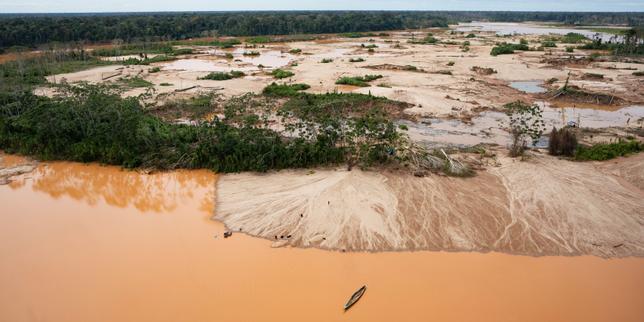
Deep inside the Peruvian Amazon, the pursuit of quick wealth is turning vast swaths of ancient forest into toxic moonscapes. If you look at satellite imagery over the Madre de Dios region, you won't just see trees. You'll see thousands of bright, water-filled craters scarring the earth—the physical signature of illegal gold mining.
For indigenous populations living on these ancestral lands, the reality is far more brutal than an abstract satellite photo. Rivers run thick with mercury, fish stocks are dying, and communities face daily threats from armed miners. It's a crisis that goes far beyond environmental degradation. It's a slow-motion catastrophe for human health and cultural survival.
The Human Toll Behind the Rush for Gold
Peru stands as South America's top gold producer. While heavy industrial extraction dominates the north, the south-eastern jungle tells a different story. Here, informal and illegal operations run rampant, fueled by weak state oversight and soaring global metal prices.
Local indigenous leaders describe a daily struggle against forces they cannot control with traditional means. Armed groups protect makeshift mining camps, pushing deeper into territories that have belonged to native communities for generations. When community members speak out, the price is often paid in blood. Since 2012, dozens of environmental and land defenders have been murdered across Peru, with indigenous leaders bearing the brunt of the violence.
The state has historically turned a blind eye or arrived too late to matter. Distant officials in Lima struggle to project power into remote jungle corridors, leaving vulnerable populations to fend for themselves against well-funded criminal networks.
Poisoned Waters and Eroded Health
You can't wash away mercury once it enters a river system. Miners use the heavy liquid to bind gold particles together, eventually dumping the toxic runoff directly into the waterways that local communities rely on for drinking, bathing, and fishing.
The consequences for human health are devastating. Heavy metal poisoning accumulates quietly in the food chain. Communities that have survived for centuries on a diet rich in river fish now find that their primary food source carries neurological toxins. Children show signs of developmental delays, and adults suffer from chronic illnesses linked to mercury exposure.
Clean water has become a luxury. The rivers that once sustained vibrant ecosystems now resemble chocolate-brown sludge, choked by sediment and chemical waste.
A Broken System and the Fight for Survival
Fixing this crisis requires more than empty promises from politicians during election cycles. For years, indigenous federations have demanded genuine self-determination, collective land titling, and active participation in environmental governance.
Real change means cutting off the illicit supply chains that allow smuggled gold to enter international markets undetected. It means holding corporations and middlemen accountable for where they source their precious metals. Without strict transparency and enforcement, the illegal trade will continue to thrive on the backs of marginalized populations.
The resilience of these communities is remarkable, but they shouldn't have to fight an army with bows and arrows. Protecting the Amazon requires listening to the people who have kept it alive for centuries before the first excavator tore through the canopy.