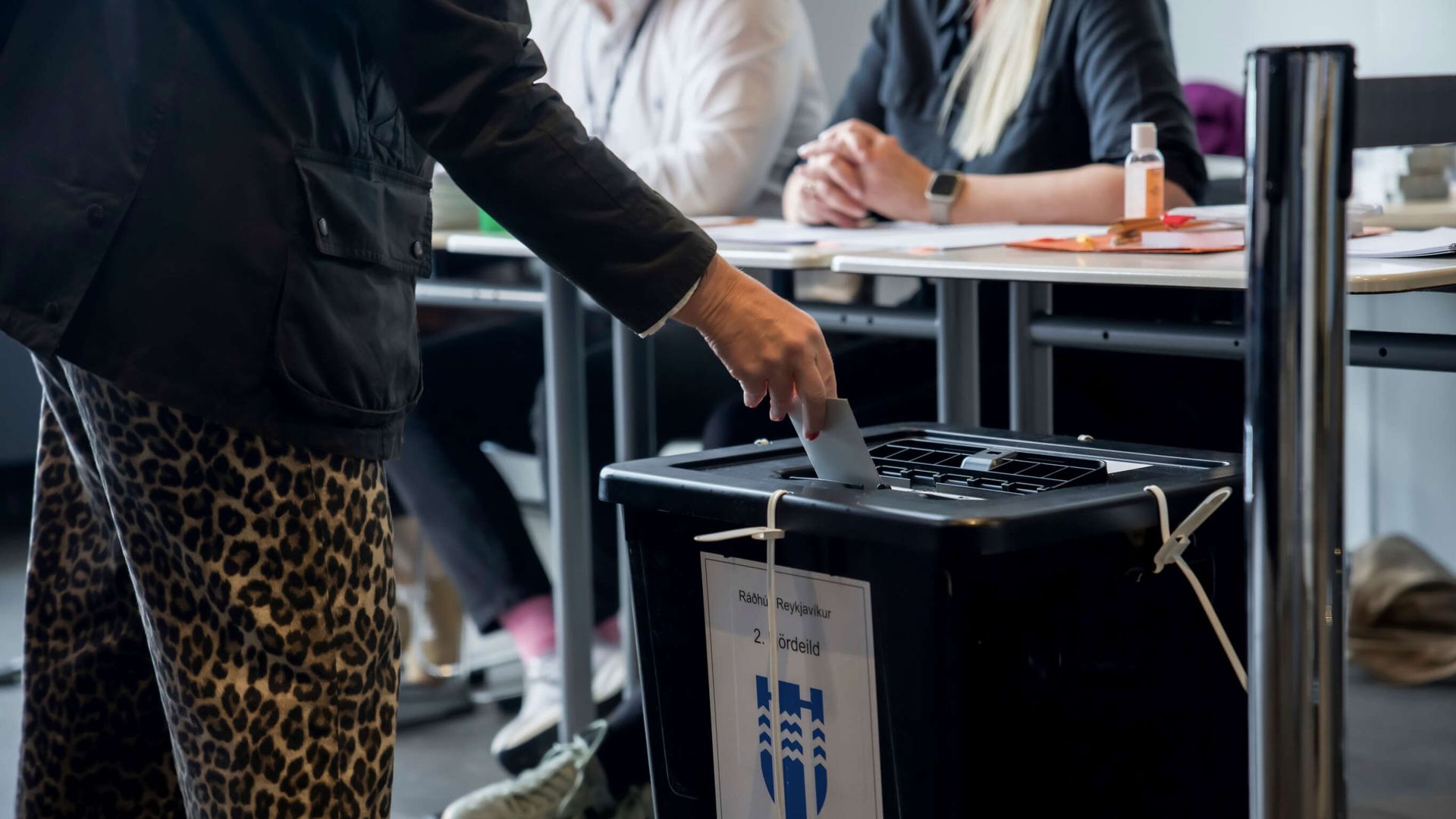
The lazy consensus across mainstream international desks is that Iceland’s recent referendum rejection of European Union accession talks represents an inward-looking retreat. Commentators love to frame the narrow 52.8% to 47.2% vote as a triumph of parochial paranoia over pragmatic cooperation. They point to the usual suspects: national identity, historical grievances, and the sacred cow of the North Atlantic fishing grounds.
They are wrong. Completely, fundamentally wrong.
What happened in Reykjavik was not a failure of vision. It was a masterclass in economic self-preservation and a stark indictment of centralized bureaucratic overreach. While the rest of Europe ties itself into regulatory knots, Iceland just proved that absolute sovereignty is a luxury asset you discard only when you have lost your mind.
The Myth of the Tiny, Vulnerable Island
The standard narrative paints Iceland as a fragile rock vulnerable to geopolitical weather, desperately needing the protective umbrella of the European single currency and Brussels policymaking to stay afloat. Pro-integration advocates argued that adopting the euro would cure inflation and tame erratic interest rates.
Let us look at the mechanics. Tying a micro-economy dependent on volatile commodity sectors—fish and aluminum—to a massive, heterogeneous monetary union is an economic death wish. Imagine a scenario where a central bank in Frankfurt sets interest rates optimized for industrial manufacturing in Germany while the North Atlantic fishing and tourism sectors in a remote volcanic island are booming or busting. The currency mismatch would shatter local pricing mechanisms.
Iceland already enjoys the best of both worlds. Through the European Economic Area agreement, it has frictionless access to the single market and participates in the Schengen free-travel zone. It gets the trade without the tribute. Giving up independent monetary policy to import European stagnation just to satisfy cosmopolitan sensibilities is a terrible trade.
The Cod Wars Are Not Ancient History
Dismissing the fishing industry's absolute opposition—where roughly 90% of sector companies opposed accession—as simple protectionism ignores basic resource economics. Under the European Union’s common fisheries policy, a country's coastal waters become shared European resources. For an island nation whose entire economic viability rests on sustainable management of the surrounding marine ecosystem, handing quota control to bureaucrats in Brussels who view fish stocks as a spreadsheet line item is existential suicide.
Iceland learned this lesson the hard way centuries ago and reinforced it during the Cod Wars of the 1970s. Sovereignty over territorial waters is not a sentimental footnote; it is the bedrock of the nation's balance sheet. When domestic fishermen fought the ballot measure, they were protecting a decentralized management model that outperforms the heavily criticized European quota systems every single day of the week.
The Geopolitical Panic Button That Failed
The timing of this referendum reveals another layer of opportunistic panic. Pushed forward by Prime Minister Kristrún Frostadóttir’s coalition government amid erratic foreign policy statements from Washington concerning Greenland, the "Yes" camp tried to weaponize international anxiety. The argument essentially boiled down to: the world is dangerous, so hide behind the Brussels shield.
Voters saw right through the fear-mongering. NATO membership already handles hard security requirements. Trading fiscal independence for a false sense of diplomatic comfort is a bad bargain. Real security comes from a resilient domestic economy and uncompromised control over national borders and resources, not from paying membership fees to a sprawling trade bloc plagued by sluggish growth and internal friction.
The Unspoken Truth About Bureaucratic Creep
The European Union operates on an insatiable principle of competence expansion. Every treaty negotiation, every harmonization directive, and every regulatory framework pulls power away from local parliaments and concentrates it in un-elected directorates. For a sovereign nation of fewer than 400,000 people, full membership would mean permanent political irrelevance. In the European Parliament, Iceland's voice would amount to a rounding error, unable to block regulations tailor-made for Mediterranean or Central European economies that actively harm sub-arctic industries.
By keeping the door firmly shut, Iceland retains its agility. It can sign bilateral trade deals on its own terms—such as its pioneering free trade agreement with China—without waiting for consensus from twenty-seven other member states with competing domestic agendas.
Stop mourning the stagnation of integration. Iceland’s rejection of Brussels is the most rational economic move made in Europe this decade. Take notes.



