It finally happened. After a year that felt like a fever dream of synth-pop and campy drag aesthetics, Chappell Roan officially took the Pink Pony Club to the Grammys. Seeing her on that stage wasn't just another awards show performance. It was a cultural pivot point. For anyone who spent 2024 and 2025 watching "The Rise and Fall of a Midwest Princess" climb the charts by word of mouth, this was the victory lap.
She didn't just show up. She transformed the Staples Center—now Crypto.com Arena, though many still call it by its old name—into a shimmering, queer-coded rodeo. It’s wild to think that just a few years ago, she was considering quitting music altogether. Now, she’s the one everyone is talking about the morning after.
The Visual Chaos of the Pink Pony Club at the Grammys
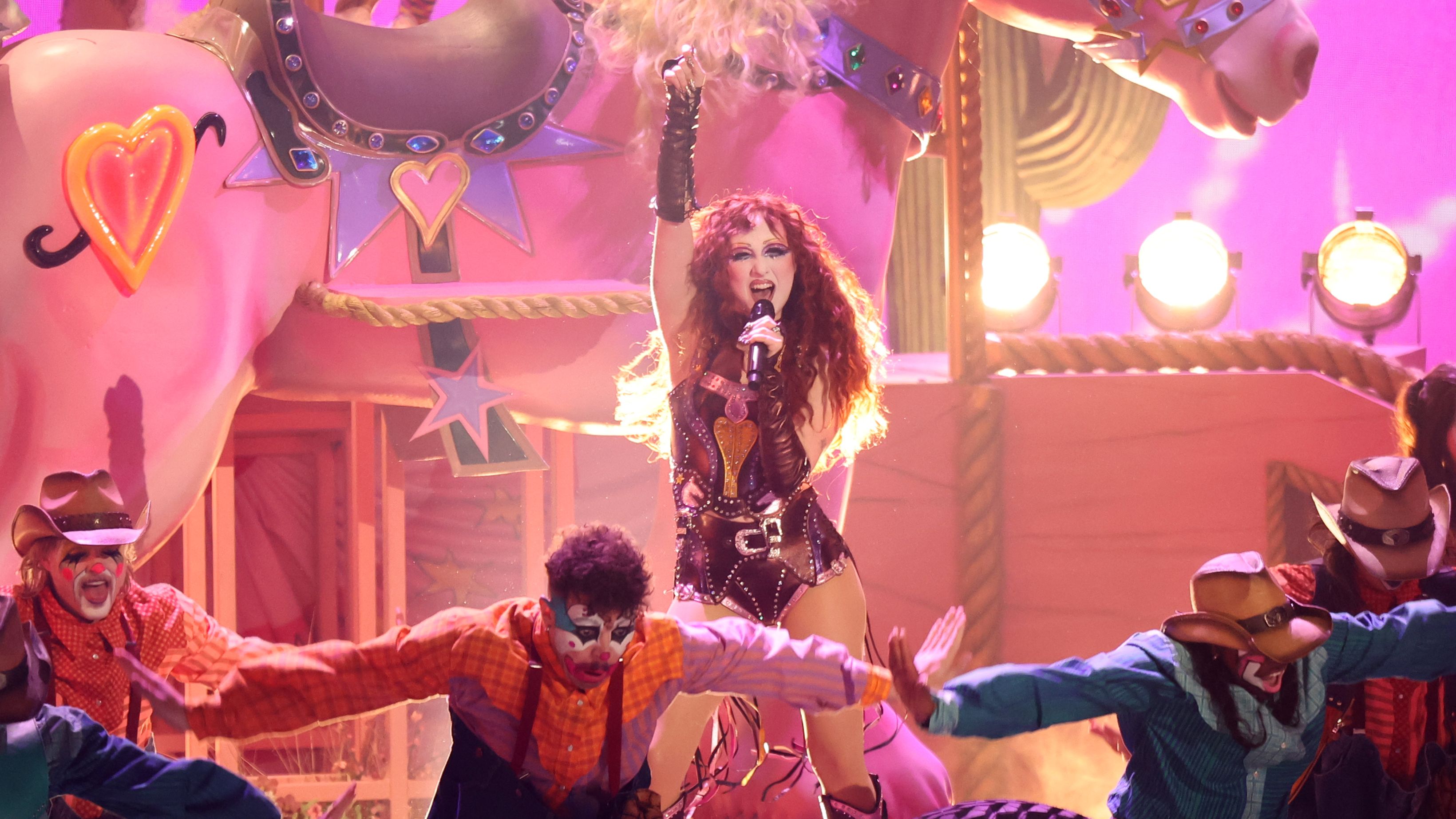
If you expected a standard pop star gown, you haven’t been paying attention. Chappell’s aesthetic has always been about the intersection of high fashion and "Midwest thrift store find." For the Pink Pony Club at the Grammys moment, she leaned heavily into the theatricality of drag.
The stage design was a masterpiece of kitsch. We’re talking neon horses, rhinestones that could blind the front row, and a backing band that looked like they walked off the set of a psychedelic 70s western. Honestly, the commitment to the bit is what makes her special. Most artists try to look "cool" or "expensive" at the Grammys. Chappell went for "unforgettable."
She wore a custom piece that looked like a hybrid between a showgirl’s leotard and a vintage Western tuxedo. The fringes were everywhere. Every time she moved, the light caught a different layer of sequins. It was loud. It was messy in the best way possible. It felt like a middle finger to the polished, sanitized version of pop music that usually wins these trophies.
Why This Specific Song?
Choosing "Pink Pony Club" for the performance was a strategic move, even if it wasn't her most recent radio smash. It’s the origin story. It’s the anthem for every kid who felt stuck in a small town and dreamed of finding a place where they could truly belong.
When she hit those high notes in the bridge, you could feel the room shift. The industry vets in the audience—the ones who usually sit stone-faced—were actually nodding along. You’ve got to remember that this song was released years before it actually blew up. Its journey to the Grammy stage mirrors Chappell’s own career: slow, organic, and eventually undeniable.
Breaking the "Best New Artist" Curse
Winning or even just performing at the Grammys often comes with a weird kind of baggage. We've seen it before. An artist blows up, wins big, and then disappears under the weight of expectation. But Chappell Roan feels different.
The Pink Pony Club at the Grammys performance showed a level of vocal control that most studio-dependent artists lack. She was singing live. Truly live. You could hear the rasp, the breath, and the raw emotion. That’s what people are craving right now. In an era of AI-generated hooks and TikTok-optimized snippets, Chappell is giving us a full-course meal.
The Recording Academy has a history of being late to the party. They usually catch on to a trend right as it’s cooling off. This time, they actually managed to capture the lightning in a bottle. Having the Pink Pony Club at the Grammys felt like the Academy finally admitting that the "Midwest Princess" wasn't just a niche internet phenomenon. She’s the new blueprint.
The Cultural Weight of the Performance
Let’s talk about the "club" itself. The Pink Pony Club isn't just a song title; it's a community. In the months leading up to the ceremony, fans were theorizing about what she would do. Would she bring out drag queens? Would she keep it stripped back?
She chose the former. Seeing drag performers on the Grammy stage in such a prominent, celebratory way was a massive statement. Especially given the political climate of the last few years regarding queer expression. Chappell didn't make it a "political" performance in the sense of giving a speech. She just lived it. She showed the joy of the community, which is often more powerful than a lecture.
It was basically a localized version of her tour stops. If you’ve ever been to a Chappell Roan show, you know the "theme" nights are a huge deal. People show up in butterfly clips, tinsel, and cowboy boots. Seeing that energy translated to the most prestigious stage in music was a "we made it" moment for the fans.
What People Get Wrong About Chappell’s Rise
There's a common misconception that she’s an overnight success. People see the Pink Pony Club at the Grammys and think she just popped out of nowhere.
That’s objectively false.
She was signed to a major label years ago and got dropped. She moved back home. She worked at a donut shop. She funded her own independent releases. The "overnight" part of her success was actually about seven years in the making. This performance was the payoff for years of being told her music was "too niche" or "too gay" for the mainstream.
The Technical Side of the Set
Musically, the arrangement for the Grammys was stepped up. They added a brass section that gave the disco-influenced track a bit more "oomph." The transition from the ballad-like intro to the full-blown dance party in the second half was seamless.
The lighting cues were specifically designed to mimic the sunset of a California dream—pinks, oranges, and deep purples. It’s these small details that elevate a performance from "good" to "historic." She understands that the Grammys are a visual medium as much as a sonic one.
Actionable Takeaways for Fans and Creators
Watching the Pink Pony Club at the Grammys provides a few real-world lessons for anyone following the music industry or trying to build a brand:
- Authenticity is a long game. If Chappell had changed her sound to fit the 2018 pop mold, she wouldn't be here. Stay weird.
- Community over Virality. While her songs went viral, it was the "club" atmosphere and the connection with her audience that sustained the momentum.
- Live performance matters. In a digital age, being able to actually sing and command a stage is still the "X-factor" that separates the icons from the influencers.
- Visual storytelling is essential. Every part of her Grammy night—from the red carpet to the final note—told a cohesive story about who she is.
The night ended with her standing amongst a sea of pink confetti. It was the perfect image. Whether you’ve been a fan since the early EPs or you just discovered her last week, it’s clear that the Pink Pony Club at the Grammys was just the beginning of a much longer era in pop history.
To really understand the impact, go back and watch the live recording of "Pink Pony Club" from her early days at the Troubadour. Compare that to the Grammy stage. The scale changed, but the heart stayed exactly the same. That’s why she’s winning.
To keep up with the legacy of this performance, check out the official Recording Academy archives or follow the fashion designers who collaborated on her "Midwest Princess" couture. The impact of this set will likely influence the "Best Pop Vocal Album" categories for years to come.