Beijing has massive expectations for Hong Kong over the next four years. If you think that's just standard political rhetoric, you're missing the bigger picture. The central government recently made it clear that the city isn't just along for the ride during the national 15th Five-Year Plan running through 2030. It's expected to anchor specific, high-stakes economic goals.
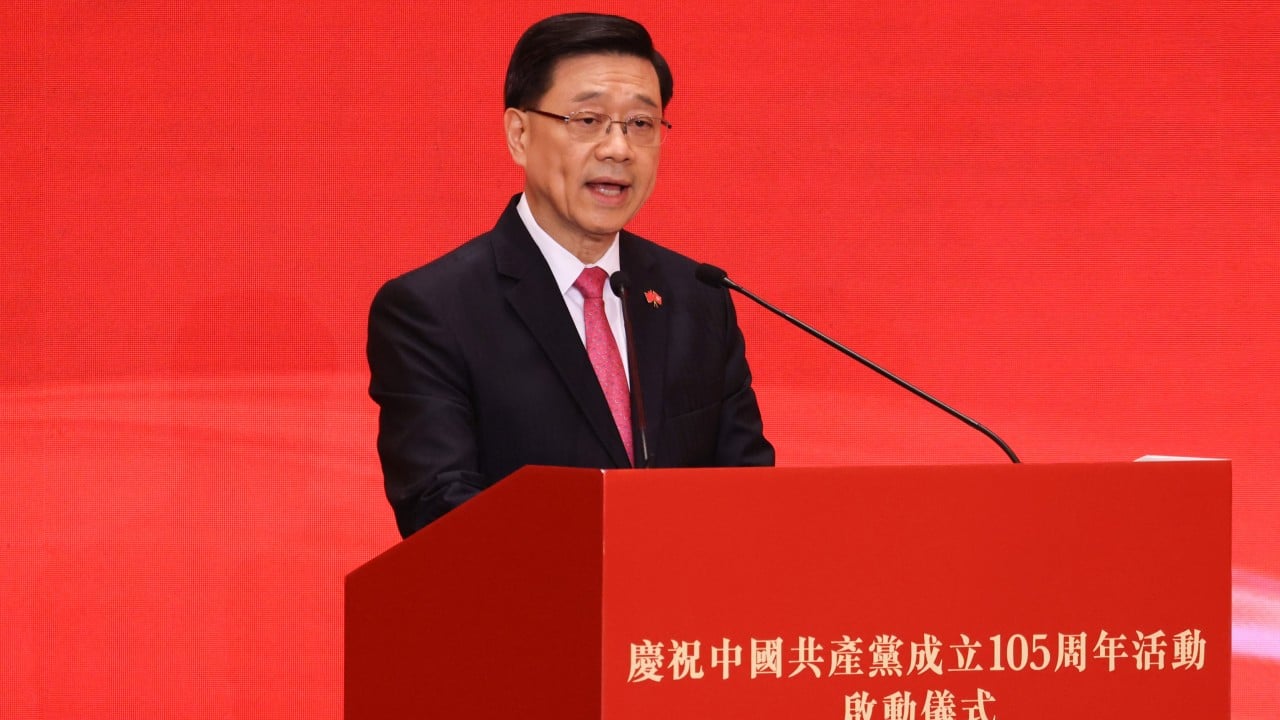
Liaison Office Director Zhou Ji spelled this out clearly during recent anniversary events. He emphasized that Hong Kong is in a prime position to grab strategic opportunities by combining development with security. But what does that actually mean for professionals, tech firms, and investors on the ground? It means the old playbook of relying entirely on traditional real estate and basic financial brokerage won't cut it anymore.
For the first time in history, Hong Kong is drafting its own localized five-year development blueprint to directly align with national strategies. This isn't a passive exercise. It's a fundamental rewire of how the city runs its economy.
The Real Shift in National Strategy
The national 15th Five-Year Plan concentrates heavily on building high-level technological self-reliance and expanding domestic market demand. Beijing wants to build a modern industrial setup with advanced manufacturing and high-value services. Hong Kong fits into this as the ultimate international gateway, but the expectations have shifted from general trade to deep tech and specialized capital.
Think about the traditional role the city played. It was a simple bridge. Money came in, money went out. Now, the central government wants Hong Kong to act as an active incubator for what they call new quality productive forces. They want the city to use its international research platforms, universities, and legal systems to pull in global innovation resources.
This explains why Chief Executive John Lee and his administration launched a massive public consultation for Hong Kong's first-ever local five-year plan. They aren't just trying to please Beijing. They're trying to fix structural issues that have bogged the city down for a decade. They want to diversify the economy before traditional sectors lose their competitive edge completely.
Where the Money and Resources Are Heading
If you want to know where Hong Kong is going, look at the budget allocations and the infrastructure projects breaking ground right now. The focus has shifted north. The Northern Metropolis development is the physical manifestation of this new five-year strategy.
Artificial Intelligence and Data Infrastructure
The national plan places a massive emphasis on the smart digital economy. Hong Kong is responding by building out serious computing power infrastructure. You can see this in the joint initiatives between local universities and mainland tech firms. They aren't just talking about chatbots. They're focusing on industrial AI applications, logistics automation, and financial risk models.
The goal here is simple. Hong Kong wants to establish the regulations and data base systems that allow data to flow securely between the mainland and the rest of the world. If you operate a tech startup, this is your sweet spot. The city is actively funding structured AI skills training for working professionals to prepare the workforce for this exact shift.
Biotechnology and Life Sciences
Another major pillar is healthcare innovation. Look at the Hetao Shenzhen-Hong Kong Science and Technology Innovation Cooperation Zone. It's becoming a massive hub for biomedical research. Hong Kong has top-tier medical schools and clinical trial data that international markets trust. By plugging this into Shenzhen's massive manufacturing capacity, the region can speed up the commercialization of new drugs and medical devices.
Advanced Finance and Capital Markets
Don't assume traditional finance is dead. It's just changing format. The new strategy focuses heavily on a finance-plus approach. This means financial tools must directly serve the real economy, specifically tech and green energy projects.
We are seeing a major push toward expanding financial market connectivity with the mainland. This includes cross-boundary wealth management and carbon trading desks. The city is positioning itself as the primary funding node for the Belt and Road green transition projects.
The Hidden Challenges Most People Ignore
It's easy to look at official speeches and think everything will go smoothly. It won't. Integrating two vastly different economic and legal systems under the One Country, Two Systems framework comes with serious friction.
Local businesses often struggle to adapt to mainland regulatory speeds. At the same time, international talent can be hesitant due to geopolitical tensions. Acknowledging these hurdles is vital if you want to navigate the next few years successfully.
The biggest mistake a business can make right now is assuming they can just keep doing what worked in 2018. The regulatory environment is tighter. The focus on national security is non-negotiable. Success now requires understanding how to create value that serves both international investors and national strategic goals simultaneously. It's a delicate balancing act.
How to Align Your Business for the Next Four Years
You don't need to guess what the market will look like in 2030. The road map is already public. To thrive under this new economic direction, you need to take concrete steps to position your operations where the capital is flowing.
- Audit your tech capabilities: If your business isn't actively incorporating smart digital tools or preparing for data integration with mainland frameworks, you will fall behind. Look into the local subsidies available for digital upgrades.
- Focus on the Northern Metropolis: Stop looking exclusively at Central and Kowloon for expansion. The economic gravity is shifting toward the border. Explore partnerships, office spaces, or research initiatives tied to the San Tin Technopole.
- Tap into regional talent programs: The government is pouring money into talent attraction and local retraining schemes, particularly in AI, green finance, and life sciences. Use these programs to build out your technical teams.
- Build cross-border operational links: Establish clear channels with partners in the Greater Bay Area. The 15th Five-Year Plan relies heavily on coordinated port, airport, and rail logistics. Your supply chain and services should mirror that integration.
The integration is moving fast. The public consultation on Hong Kong's internal five-year plan means the local rules are being locked in right now. Stay close to the policy updates, shift your focus toward tech and specialized services, and adapt your talent strategy to match the new economic reality.