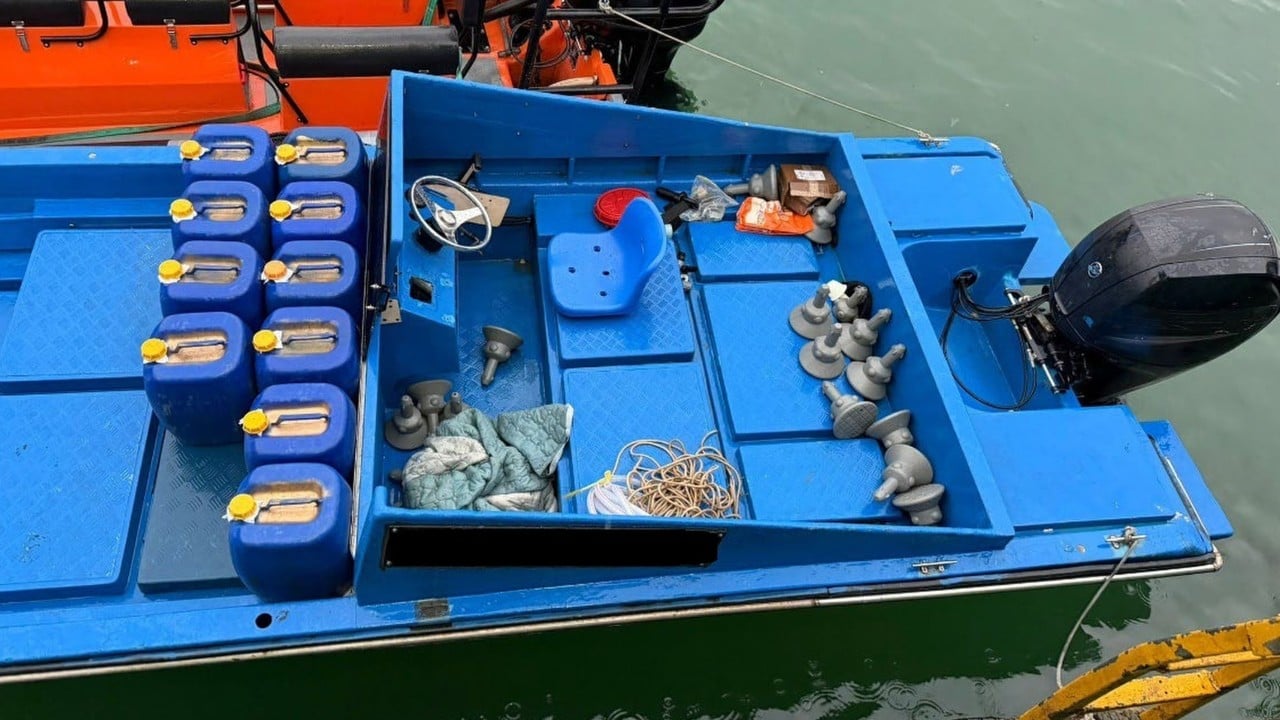
The headlines scream about triads. They parade 27 arrests like trophies. They show photos of seized plastic tanks and rusty pumps as if they just dismantled a nuclear cell. The narrative is simple: the police are the heroes, the "syndicates" are the villains, and the HK$3.3 million in seized fuel is a victory for the taxpayer.
It is a lie. Or, at the very least, a massive misunderstanding of how markets actually function.
What the government calls a "crackdown on crime," an economist sees as a violent suppression of a secondary market created by their own botched fiscal policy. We aren't looking at a crime wave. We are looking at a massive, unaddressed demand for affordable energy in a city that has priced its working class out of the ability to move goods.
The Tax Man Is The Real Kingpin
The reason "triads" are selling fuel is not because they have a passion for diesel. It’s because the Hong Kong government has created a price floor so artificially high that the profit margins on bootleg oil rival those of narcotics—with significantly less risk.
Hong Kong’s fuel taxes are among the highest in the world. When you combine that with a monopoly held by a handful of oil majors, you get a retail price that bears zero resemblance to the global spot price of crude. The illegal fuel market is a classic "black market" in the academic sense: it only exists because the legal market is broken.
If the government actually wanted to stop triad involvement in the fuel trade, they wouldn't need a single police officer. They would just need to lower the duty. But they won't. They prefer the theater of the raid because it justifies the bureaucracy while keeping the tax revenue flowing from those too scared to buy from a guy in a truck in New Territories.
The Myth Of Public Danger
The standard justification for these raids is "public safety." The Fire Services Department loves to talk about the risk of fire and explosion in makeshift refueling depots.
Let's look at the data. How many massive urban infernos have been caused by illegal diesel refueling in the last decade versus fires caused by faulty electrical wiring in subdivided flats or aging industrial buildings? The risk is statistically negligible. Diesel has a high flash point; it’s not gasoline. You could drop a lit cigarette into a bucket of diesel and it would likely go out.
The "safety" argument is a convenient smokescreen. By framing this as a fire hazard, the state can bypass the complex economic arguments and go straight to fear-mongering. They aren't protecting your neighborhood; they are protecting the price-fixing power of companies like Shell and Esso.
Why We Should Cheer For The Bootleggers
I have spent years watching how logistics chains in Asia actually operate. In the real world, the margin on moving a pallet of electronics or a crate of produce across the border is razor-thin. For the independent trucker, the difference between a profitable month and going into debt is the cost of fuel.
When a driver buys "illegal" fuel, they aren't trying to fund a criminal empire. They are trying to survive. They are choosing the only vendor that offers a price the market can actually bear.
In this sense, the triad-run fuel stations are the only entities providing true price discovery in the Hong Kong energy market. They are the "disruptors" that Silicon Valley types claim to be, only they use pumps and trucks instead of apps and venture capital. They are meeting a demand that the legal players refuse to acknowledge.
The Institutional Failure Of The Raid
Look at the numbers from the recent operation. 27 people arrested. 55,000 liters of diesel seized.
- Cost of the operation: Hundreds of man-hours from Customs, Police, and Fire Services.
- Impact on the market: Zero.
55,000 liters is a drop in the ocean. Hong Kong consumes millions of liters of fuel daily. Within 48 hours of this "crackdown," new pumps were likely installed in different containers, and the same drivers were back to filling up. This isn't law enforcement; it’s a game of Whac-A-Mole where the mallet costs $1,000 and the mole costs $0.50.
We are burning tax dollars to stop people from saving money. It is the height of institutional absurdity.
The "Triad" Label As A Tool Of Convenience
Calling it "triad-controlled" is the oldest trick in the book for Hong Kong authorities. It’s a branding exercise. If you call it "unlicensed fuel sales by small business owners," the public might actually sympathize. If you call it "triad activity," you get a blank check for aggressive tactics and public applause.
Does the organized crime element exist? Of course. They go where the money is. But they are only there because the government built them a clubhouse and gave them a monopoly on the low-price segment of the market. If the government allowed for more competition or a tiered tax structure for commercial vehicles, the "triads" would vanish from the fuel sector overnight. They can't compete with a legal, efficient market. They can only thrive in the shadows of over-regulation.
The Hidden Cost To The Consumer
Every time a raid happens, the cost of logistics in Hong Kong ticks upward. When the "illegal" supply is throttled, the cost of moving goods increases. Who pays for that? You do.
The price of your vegetables, your Amazon deliveries, and your construction materials is directly linked to the cost of diesel. By "cracking down" on cheap fuel, the government is effectively imposing a hidden tax on every single citizen. They are forcing the logistics industry to use the most expensive fuel possible, which is then passed down to the end-user.
A Better Way Forward (That Will Never Happen)
If Hong Kong were serious about solving this, they would stop the raids tomorrow and implement these three things:
- Commercial Fuel Rebates: Directly subsidize diesel for registered logistics providers to match the "black market" price.
- Safety Certification for Independent Depots: Instead of seizing equipment, regulate it. Allow independent operators to sell fuel if they meet basic fire safety standards.
- Break the Oligopoly: Investigate the price-matching behavior of the major oil companies that keeps retail prices suspiciously uniform across the territory.
But they won't do that. It’s much easier to put on a flak jacket, call a press conference, and pretend you've made the streets safer by seizing a few thousand liters of oil.
The next time you see a headline about a fuel raid, don't clap. Ask yourself why a city that prides itself on being a "free market" is so terrified of a little competition in the gas tank. Ask yourself why we are criminalizing the only people providing a price that makes sense for the local economy.
The triads aren't the ones distorting the market. The government is.
Stop celebrating the destruction of efficiency.