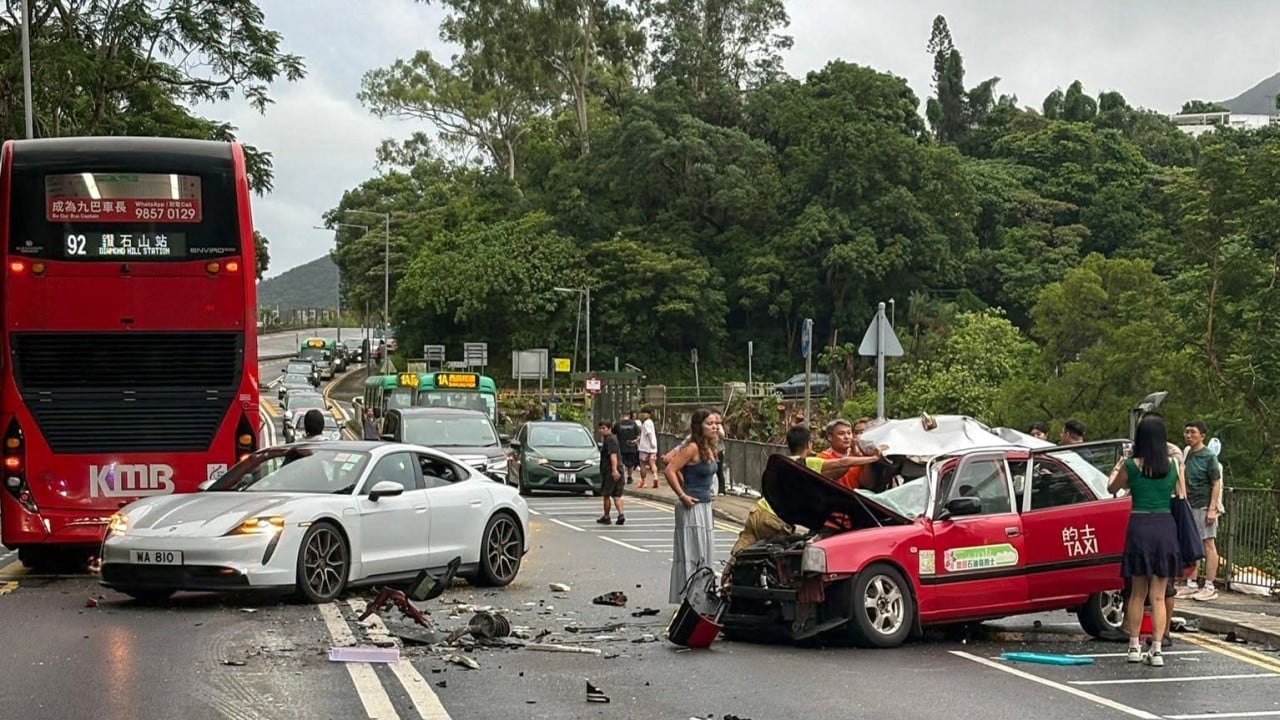
Every time a red urban taxi crumples against a double-decker bus on the streets of Hong Kong, the city goes through the exact same theatrical routine.
The headlines scream about a tragic head-on collision. The public demands immediate crackdowns on elderly drivers. Bureaucrats line up to propose mandatory medical checks, stricter speed limiters, and heavier penalties. We treat these horrific incidents as isolated moral failings of overworked cabbies or random acts of bad luck.
It is a comfortable lie. And it is completely wrong.
The standard media narrative surrounding Hong Kong's recent fatal taxi-bus collisions focuses entirely on the immediate, sensational mechanics of the crash. A driver veers across a solid line. A bus cannot stop in time. A life is cut short.
But blaming the individual driver for a systemic structural failure is the lazy way out. Having analyzed urban transit safety data and the brutal economics of the city's transport monopolies for over a decade, I can tell you the real culprit isn't a lack of regulation. The culprit is an archaic, cartel-ized licensing system that practically guarantees exhausted drivers and dangerous roads.
The Fatal Economics of the Taxi License Monopoly
To understand why a taxi driver crosses a median into oncoming traffic, you have to look at the balance sheet, not just the police report.
Hong Kong taxis operate under a permanent license system. The government capped the total number of licenses decades ago. Because these licenses can be freely traded on the open market, they transformed from a permission slip to operate a vehicle into a highly speculative financial asset. At its peak, a single red taxi license traded for over 7 million HKD. Even today, they command millions.
This creates a toxic economic hierarchy:
- The Speculative Landlords: A small group of wealthy individuals and corporate taxi syndicates own hundreds of licenses. They do not drive. They rent the licenses out.
- The Middlemen: Garage operators rent the licenses from owners, maintain the vehicles, and manage the daily shift handovers.
- The Drivers: At the very bottom, drivers rent the car per shift. Before they make a single cent for their own rent or groceries, they must cover the daily vehicle rental fee and the skyrocketing cost of fuel.
Imagine starting your workday 800 HKD in debt. That is the daily reality for a Hong Kong cabbie.
When you trap drivers in a system where the first six hours of a grueling 12-hour shift go entirely toward paying off an invisible asset landlord, you destroy safety. Drivers cannot afford to take breaks. They cannot afford to stop when they feel dizzy. They cannot afford to lose a single fare.
The "lazy consensus" says we need stricter enforcement of traffic laws. The brutal reality is that economic desperation drives the vehicle, and no amount of traffic cameras can out-regulate a driver's need to avoid starvation.
The Demographics Fallacy: Why Targeting Elderly Drivers Misses the Point
Whenever a fatal crash occurs, lawmakers immediately point to the aging demographic of the workforce. They note that the average age of a Hong Kong taxi driver is well over 60, with many pushing into their 70s and 80s.
"Force them into retirement," the critics argue. "Problem solved."
This argument is incredibly short-sighted.
First, let us look at the data. Older drivers generally possess decades of hyper-localized situational awareness. They know every blind corner on the Peak, every erratic lane-change pattern in Mong Kok, and exactly how the roads slick over during a typhoon. When an older driver crashes, it is rarely due to a sudden lack of skill; it is due to catastrophic fatigue or sudden medical emergencies brought on by prolonged stress.
Second, if you force the older generation out without fixing the underlying financial structure, who replaces them?
Nobody. Young people refuse to enter an industry where you work 80 hours a week just to pass profits up to a license hoarder. The taxi fleets are already facing severe labor shortages. Forcing elderly drivers off the road without restructuring the business model will simply lead to more un-rented cars, higher rental pressure on the remaining drivers, and an even more desperate, overworked workforce.
Why Technology Alone Cannot Fix a Structural Rot
The tech-optimists believe we can innovate our way out of this bloodbath. They advocate for mandatory Advanced Driver Assistance Systems (ADAS), driver-drowsiness detection cameras, and automatic braking.
I have seen transportation tech firms pitch these systems to fleet operators globally. Here is what happens in the real world: when you overlay high-tech surveillance onto a broken economic foundation, drivers find workarounds.
If a camera inside the cabin beeps every time a driver blinks too slowly, the driver does not pull over to rest. They cannot. If they pull over, they fail to make their rent. Instead, they consume dangerous amounts of caffeine or find blind spots to trick the sensors.
Technology without structural reform is just an expensive band-aid that shifts the blame back onto the worker.
The Real Actionable Solution Nobody Wants to Hear
If Hong Kong actually wants to stop head-on collisions between taxis and public buses, it must dismantle the permanent licensing system.
- Buy Back the Licenses: The government must claw back the speculative monopoly. Compensate holders at a adjusted market rate, claw the licenses into public hands, and transition to a merit-based, non-transferable operating permit system.
- Tie Leases to Revenue, Not Flat Fees: Shift the financial risk away from the driver. If a driver has a bad shift due to a traffic jam or a typhoon, they should not face financial ruin.
- Create Dedicated Transit Segregation: Stop forcing massive double-decker buses and high-velocity taxis to fight for the exact same square meter of asphalt on narrow, winding territory roads. Structural physical barriers, not paint lines, prevent head-on fatalities.
Admitting the downsides to this contrarian approach is necessary. It would cause a massive political firestorm. Wealthy license cartels would sue. The market would scream.
But the alternative is maintaining a status quo where we accept a steady body count as the cost of protecting a legacy financial asset class. Every time a bureaucrat blames a crash on "driver error" without addressing the fact that the driver was on hour fourteen of a frantic shift just to break even, they are complicit in the next tragedy.
Stop looking at the skid marks on the road. Start looking at the ledger.