Hong Kong's streets are getting safer in total numbers, but the crashes that do happen are turning deadly at an alarming rate. If you look at the raw stats for the first half of 2026, you'll see a drop of 17 percent in total injury-causing traffic accidents, bringing the total down to 7,341. Sounds like progress, right? Wrong. Fatal traffic accidents jumped by a staggering 44 percent during that same six-month window, claiming 63 lives across 59 separate crashes.
When fewer accidents happen, but more people die when they do occur, it forces a hard look at what has changed on the road. This isn't just about bad luck. It points straight to shifting demographics, specific driver behaviors, and a dangerous disconnect between pedestrians and the fast-paced traffic around them.
The Human Toll and Vulnerable Demographics
You can't talk about Hong Kong's sudden spike in road deaths without looking at who is paying the ultimate price. Pedestrians bear the brunt of this crisis. In the opening half of 2026, 26 pedestrians lost their lives, accounting for 41 percent of all traffic fatalities.
Worse still, age is a massive risk factor here. Out of those 26 pedestrian deaths, 18 victims were aged 65 or older. That means nearly 70 percent of the pedestrians killed on Hong Kong roads were seniors.
Police data points to specific, recurring dangers for older residents:
- Crossing against red traffic lights
- Weaving unpredictably between stopped or moving vehicles
- Failing to account for large vehicle blind spots
It's easy to blame pedestrian error, but traffic planners know that urban environments often fail to accommodate an aging population safely. When crossing windows are too short and traffic moves aggressively, the margin for error shrinks to zero.
Commercial Vehicles and Aging Drivers
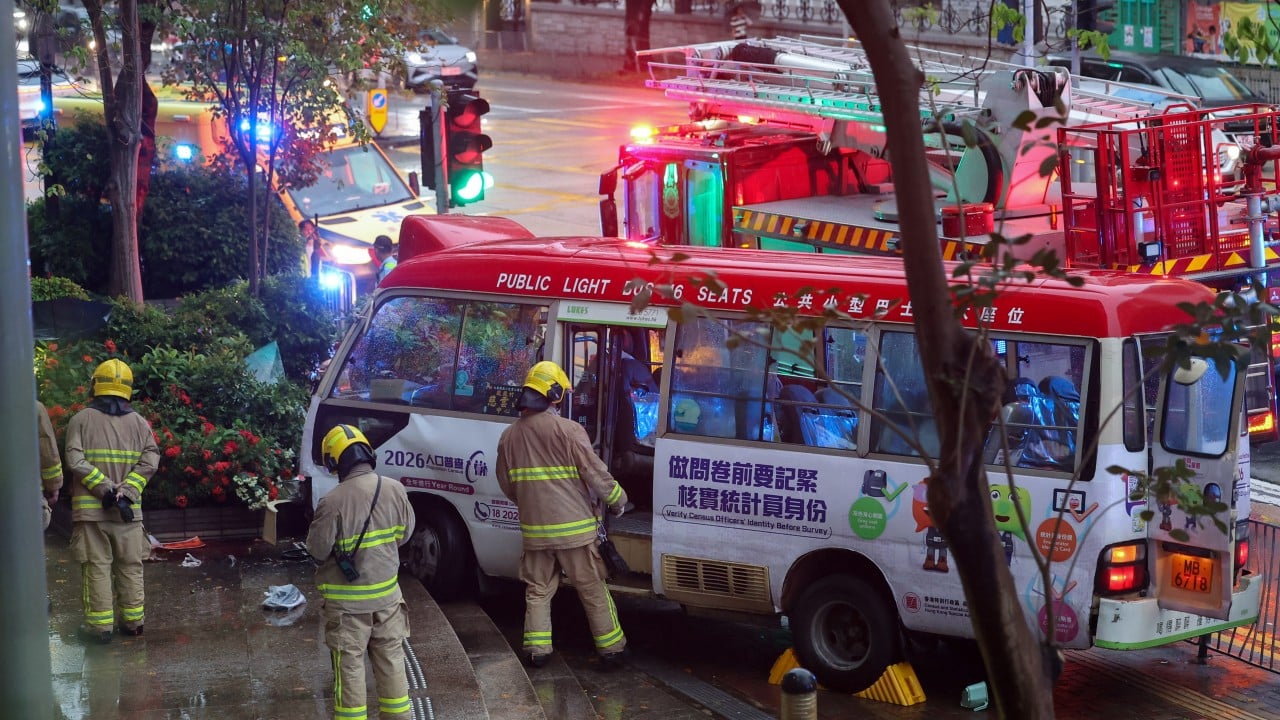
Shifting focus to the other side of the windshield reveals another glaring issue. Commercial vehicles—taxis, minibuses, buses, and trucks—are heavily overrepresented in these fatal incidents.
Fatal crashes involving commercial vehicles shot up by 58 percent, totaling 41 cases and making up 66 percent of all fatal traffic accidents in the city. Behind the wheel of many of these heavy or high-turnover vehicles are older operators. Police noted that 16 of the commercial drivers involved in these fatal wrecks were 65 or older.
Driving a commercial vehicle in a dense, chaotic metropolis requires sharp reflexes and sustained focus. Prolonged working hours, chronic fatigue, and mobile phone distractions create a toxic mix. When an aging driver battles fatigue while glancing at a smartphone, tragedy follows fast.
Meanwhile, cyclist fatalities also jumped by 125 percent, rising to nine deaths compared to the previous year. More people are sharing tight road spaces on two wheels, and infrastructure hasn't caught up with the risk.
The Crackdown and Real Solutions
Law enforcement isn't sitting back. Authorities launched an intensive, multi-week citywide operation targeting pedestrian recklessness and distracted driving. Unmarked police cars are currently patrolling expressways, hunting for drivers glued to their phones or ignoring lane signals.
The Transport Department is backing this up by tightening safety measures at tunnel portals and high-risk control areas. Logistics companies are receiving mandatory safety seminars, and public transport fleets are facing heavier scrutiny over driver shift lengths.
Enforcement alone won't fix a cultural and structural problem. Protecting lives requires a joint commitment. Drivers need to put the phones down and respect commercial vehicle speed limits, while pedestrians—especially seniors and their families—must ditch the dangerous habit of jaywalking against signals. Road safety is a zero-sum game, and the current numbers prove the city has no room left for mistakes.
Watch TVB News coverage of Hong Kong traffic safety trends
This news report provides additional context on how traffic safety measures and pedestrian vulnerabilities have evolved across Hong Kong over recent months.
http://googleusercontent.com/youtube_content/1