If you run an innovative business, you already know the frustration of walking into a bank with a stack of patents and getting turned down because you don't own physical real estate or heavy machinery. Traditional lenders love bricks and mortar. Ideas? Not so much.
Hong Kong is actively changing that dynamic. Following a quiet trial run where seven companies secured millions in cheaper credit using their intellectual property as collateral, regulators are moving to expand the IP financing sandbox. This shift matters because it tackles a massive blind spot in commercial lending. Trademarks, patents, and designs are often a company's most valuable assets, yet banks historically treated them as worthless on a balance sheet.
Why Traditional Bank Loans Failed Innovators
For decades, getting a commercial loan meant pledging physical assets. If you built a factory, you could secure capital. If you designed proprietary software, patented a medical device, or engineered advanced electronics, traditional credit committees didn't know how to price the risk.
Banks want security they can liquidate easily if things go south. Intellectual property feels abstract to a traditional loan officer. How do you repossess a patent? What is a brand trademark worth during a market downturn?
Because of this mindset, small and medium-sized enterprises poured money into research and development, built valuable portfolios of intangible assets, and still struggled to finance day-to-day operations or expansion. They had to rely on equity dilution or high-interest unsecured borrowing. It was a broken system that penalized companies for being creative rather than industrial.
Inside the Sandbox Model That Worked
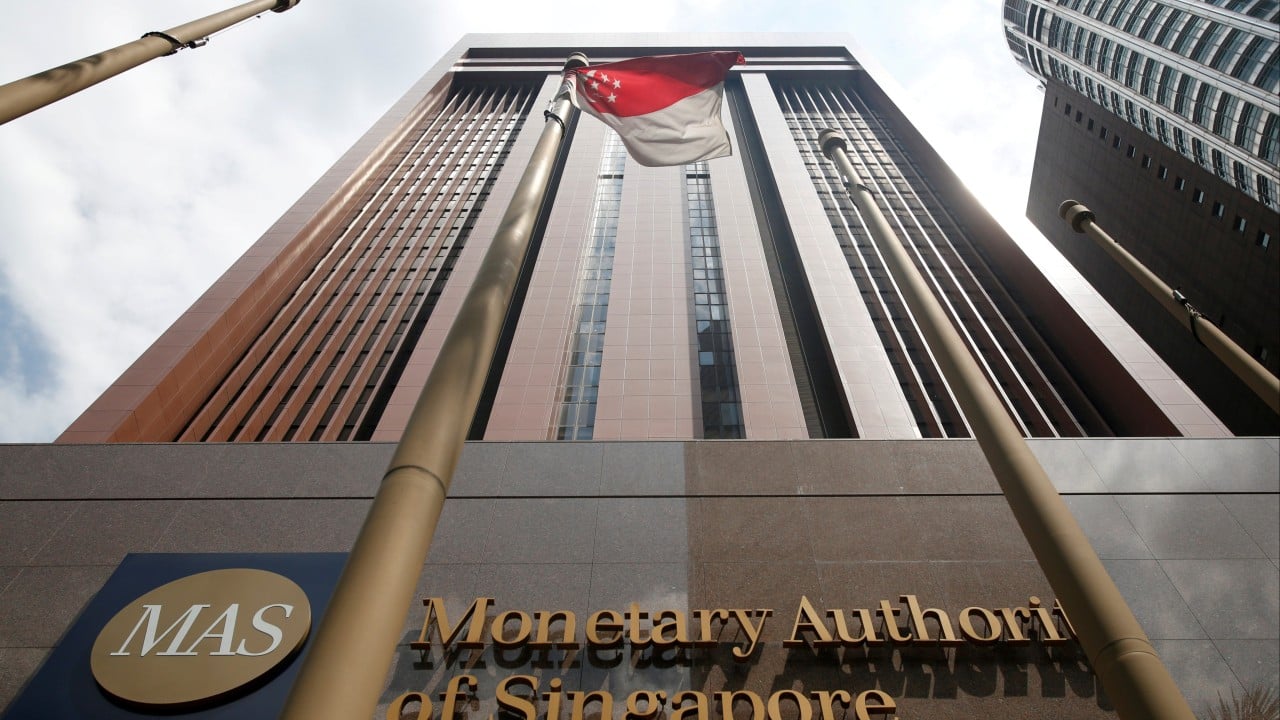
To bridge this gap, the Hong Kong Monetary Authority, alongside the Commerce and Economic Development Bureau and the Intellectual Property Department, launched the IP Financing Sandbox. Major institutions—including Bank of China (Hong Kong), HSBC, and Standard Chartered—stepped up to test how IP-backed lending could actually work in practice.
Instead of guessing what a patent is worth, the sandbox relied on independent, accredited valuation experts. These professionals used recognized financial frameworks like the relief-from-royalty method or excess earnings models to assign a concrete market value to intangible assets.
The first cohort proved the concept. Seven businesses spanning electronics, toy manufacturing, construction, and medical devices successfully secured credit facilities ranging from HK$1 million to HK$39 million.
Take companies like SML Med-Tech Solutions or Man Yue Technology Holdings. By putting their patents on the table as qualifying credit enhancements, they unlocked working capital and expansion funds without giving up equity. The banks got secure, structured deals, and the borrowers kept full ownership of their intellectual property.
What the Expansion Means for Business Owners
The success of these initial pilot cases forced a policy pivot. Regulators aren't just keeping this as a niche experiment; they are preparing the next phase of the sandbox with broader participation and more practical applications.
At the same time, the government rolled out the Pilot Patent Valuation Support Scheme, offering matching funds to help smaller firms hire qualified providers to value their patents. If you're running a tech startup or a design-heavy firm, this lowers the barrier to entry. You no longer have to guess if your IP is bankable or pay exorbitant fees out of pocket just to get an institutional valuation.
This initiative also aligns directly with regional tax changes, such as the patent box regime which cuts tax rates on eligible IP income. When you combine cheaper loans backed by patents with lower tax burdens on the revenue those patents generate, the financial incentive to base intellectual property operations in Hong Kong becomes hard to ignore.
If you're holding valuable patents, trademarks, or proprietary software, stop treating them purely as legal shields against competitors. Start treating them as balance-sheet assets. Keep your registration documents pristine, track your licensing revenue clearly, and watch how financial institutions adapt as this market matures.