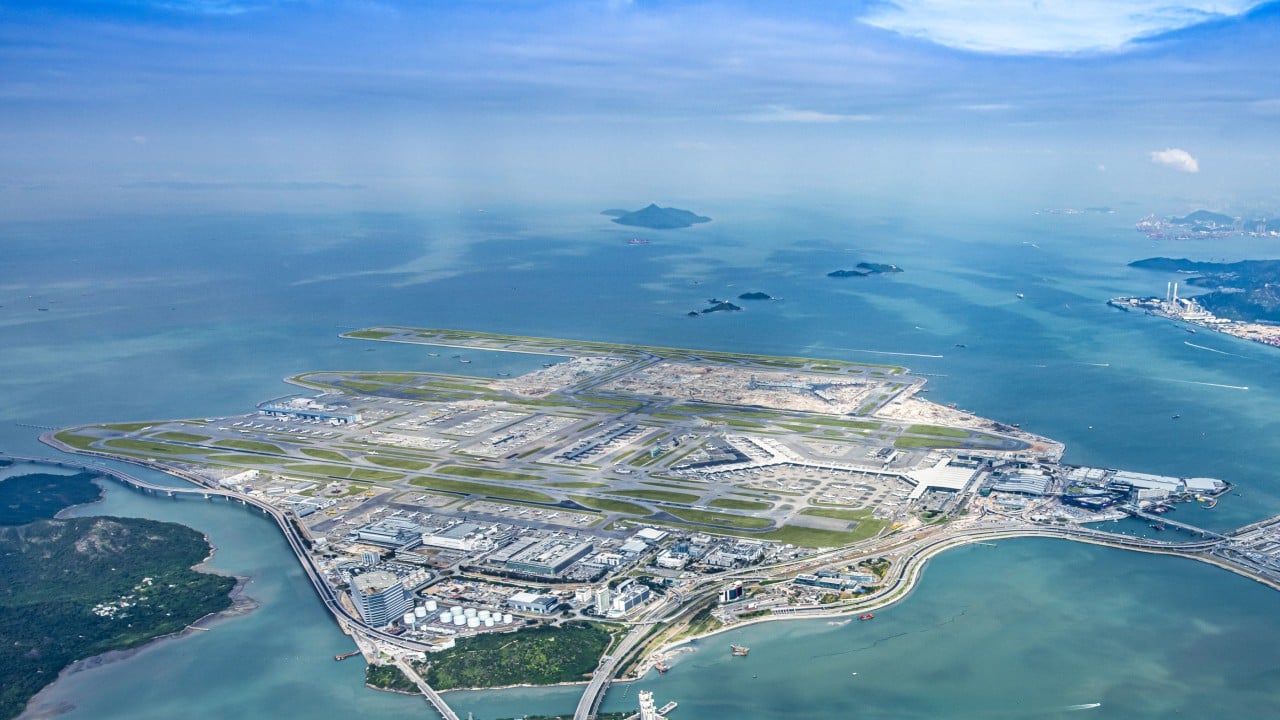
Every time an aviation authority tries to pave over a marine park, they hire a battalion of consultants to invent a fairy tale about ecological harmony. The Hong Kong International Airport third runway expansion is the crown jewel of this cynical genre. We are fed a carefully curated narrative that dumping millions of cubic meters of sand, driving thousands of steel piles into the seabed, and adding hundreds of daily jet engine roars somehow translates into a win for local marine life. It is corporate greenwashing taken to industrial extremes, wrapped in mitigation buzzwords and sold to a public desperate to feel good about carbon heavy infrastructure.
I have spent decades watching massive civil engineering projects roll out their PR playbooks. Whenever a government body faces intense scrutiny over destroying a habitat, they pivot to eco engineering. They talk about artificial reefs, coral translocation, and marine parks as if pouring concrete into an estuary is an act of environmental restoration. For an alternative look, consider: this related article.
Let us strip away the PR gloss and look at what actually happens when you transform a quiet corner of the Pearl River Delta into a high frequency aviation corridor.
The Myth of the Compensatory Marine Park
The core argument of the airport expansion defenders rests on mitigation. If you destroy four hundred hectares of marine habitat for Chinese white dolphins, the official playbook says you simply draw a box around another piece of water, label it a marine park, and call it even. Related insight on this matter has been provided by The Motley Fool.
This is ecological bankruptcy disguised as administration.
A marine park does not magically generate fish stocks or replace lost foraging grounds simply because a bureaucrat signed a decree. You cannot relocate a dolphin pod the way you move office furniture. These animals rely on complex acoustic environments, specific salinity gradients, and undisturbed feeding zones. Pounding steel monopiles into the seabed with massive hydraulic hammers generates deafening underwater noise that travels kilometers, disrupting echolocation and driving cetaceans away from their core territories.
When researchers look at the actual displacement data, the mitigation measures look less like conservation and more like a bureaucratic insurance policy designed to shield contractors from liability. The dolphins do not care that a committee designated a protected zone twenty miles away if their primary food source has been dredged into oblivion.
Dredging and the Illusion of Habitat Reconstitution
Consider the sheer physical mechanics of building a runway on top of mud. The reclamation process requires massive dredgers to scoop up soft marine sediment and dump marine sand to build up the platform. This process destroys benthic communities—the crabs, worms, and mollusks that form the absolute foundation of the estuarine food web.
The standard defense is that these organisms recover quickly. Some do. But the structural composition of the seabed changes permanently. You go from a dynamic, nutrient rich soft mud habitat to a compacted, sand filled platform engineered to support heavy wide body aircraft landing at three hundred kilometers per hour.
Proponents point to artificial reefs deployed nearby as proof of ecological enhancement. Here is the unvarnished truth about artificial reefs in high traffic shipping and aviation zones: they are often little more than concrete fish aggregating devices designed to concentrate remaining marine life making it easier for commercial and illegal fishing vessels to harvest them. They do not recreate an ecosystem; they create a trap.
The Noise Pollution Equation
An airport expansion is not just about the footprint on the water. It is about the exponential increase in acoustic trauma overhead. Commercial jets taking off and landing every minute do not just shatter the peace for human residents in Tung Chung or New Territories; they create persistent low frequency noise that penetrates the water column.
Cetaceans rely on sound the way humans rely on sight. When you saturate an already congested and polluted waterway with the deafening roar of twin turbofan engines running at full thrust, you effectively blind the local wildlife.
Yet, the environmental impact assessments gloss over cumulative acoustic trauma. They treat noise as a temporary nuisance rather than a chronic, systemic stressor that suppresses immune systems and drives reproductive failure in marine mammals. If you want to know why Chinese white dolphin sightings in Hong Kong waters have plummeted to historic lows over the last decade, stop looking at water quality metrics and start looking at the cumulative decibel logs.
The Economic Shell Game
Why do we pretend this works? Because the economic imperative of maintaining an aviation hub always trumps ecological reality. Hong Kong cannot afford to lose its status as a premier transit hub. The airport needs capacity to compete with regional rivals like Singapore and Guangzhou.
That is an honest business argument. If the authorities simply stood up and said, "We need this runway for economic survival, and the environmental cost is the price we are willing to pay," at least we would be dealing with reality.
Instead, they insult our intelligence by pretending that a multi billion dollar reclamation project is somehow good for the dolphins. They spend millions on PR campaigns featuring smiling cartoon dolphins wearing pilot hats, attempting to convince a skeptical public that industrial expansion and marine conservation are somehow walking hand in hand.
The truth is starkly unromantic. Concrete destroys ecosystems. Dredging suffocates benthic life. Noise drives out marine mammals. No amount of environmental compensation funds or stakeholder consultation workshops can alter the laws of physics and biology.
Stop buying the corporate fairytale. The third runway is an engineering triumph and an ecological disaster. Acknowledge the trade off, drop the greenwashed charade, and stop insulting the intelligence of everyone watching the Pearl River Delta die a death of a thousand cuts.