The crunch of a fresh summer salad is supposed to be the sound of health. You wash the leafy greens under the kitchen tap, toss them with a light vinaigrette, and feel good about your choices. It is a mundane, daily ritual replicated in millions of American homes.
But for Sarah, a mother of two in Grand Rapids, Michigan, that simple routine turned into a nightmare. It started with a sudden, devastating wave of fatigue. Within twelve hours, her body was racked by severe, unrelenting, and explosive abdominal distress. It felt less like a standard bout of food poisoning and more like an internal eviction notice. Days bled into weeks. The weight plummeted off her frame. The bathroom became her entire world.
Sarah is not alone. She is one of nearly 7,000 Americans currently caught in the grip of a massive, fast-moving parasitic outbreak that has quieted kitchens and baffled federal investigators.
The Shifting Landscape of an Invisible Threat
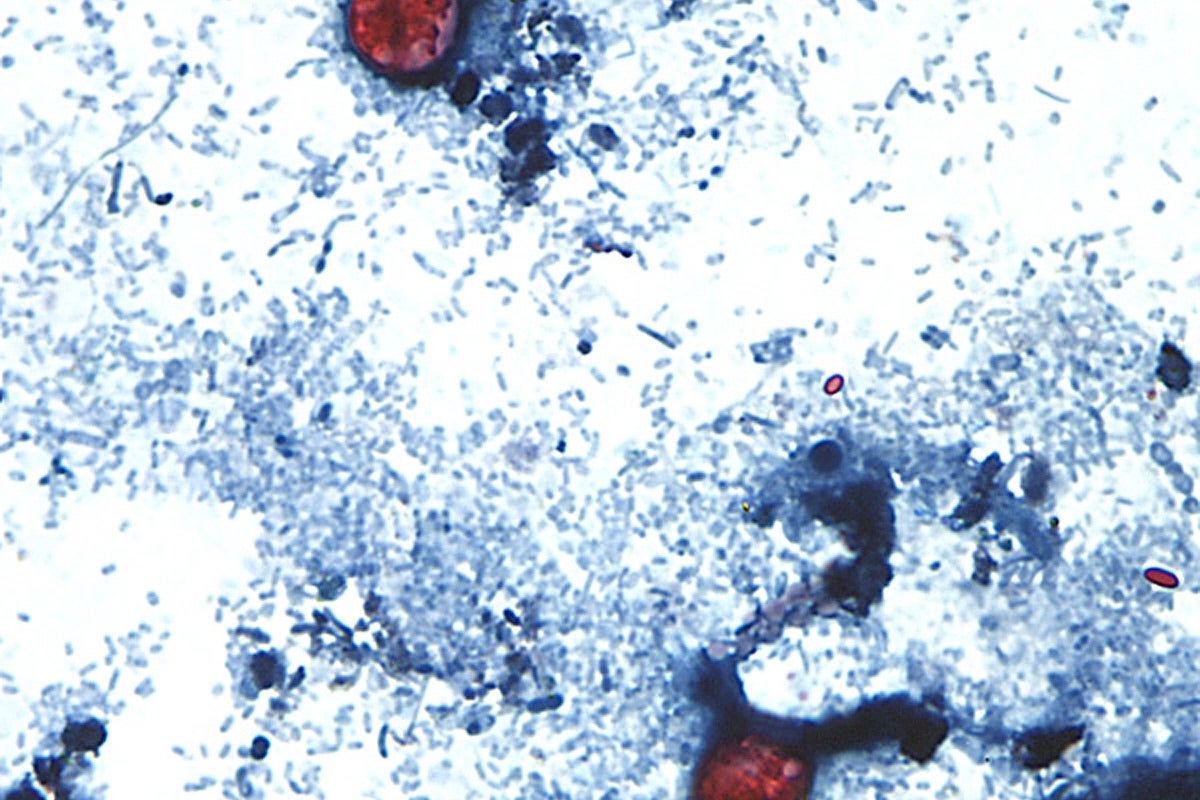
The enemy is Cyclospora cayetanensis, a microscopic, single-celled parasite that targets the human small intestine. It is an incredibly hardy organism. It locks onto the ridges of fresh produce with a stubborn, invisible grip.
The numbers coming out of the Centers for Disease Control and Prevention are staggering. Federal officials have confirmed 1,645 domestic cases, with an additional 5,100 suspected infections under analysis across 34 states. For context, consider the same period last year, when the CDC tracked just 249 cases. This is not a slight uptick. It is a tidal wave.
The epicenter sits squarely in the Midwest. Michigan has borne the brunt of the crisis, reporting over 3,300 cases—a terrifying leap for a state that usually sees about fifty infections in an entire year. Ohio, Kentucky, and West Virginia are similarly under siege. At least 141 people have been hospitalized nationwide, drained of fluids and desperate for answers.
Public health investigators are working around the clock, conducting exhaustive interviews with over a thousand patients. The common denominator keeping them up at night? Lettuce and bagged salad greens.
But tracing a microscopic parasite through the modern global food supply chain is like chasing a ghost through a hurricane.
Why Washing Your Veggies Is Not Enough
There is a comforting myth we tell ourselves at the kitchen sink: if we rinse our produce thoroughly enough, we are safe.
With Cyclospora, that safety net disintegrates. Imagine the surface of a romaine lettuce leaf under a powerful microscope. It is not smooth. It is an intricate web of microscopic crevices, pockets, and textures. Once the parasite hitches a ride on those leaves via contaminated agricultural water or soil, it clings tightly. Standard rinsing can reduce the risk, but it rarely eliminates it entirely.
The parasite is fundamentally indifferent to normal refrigeration or room temperatures. It does not die off in the crisper drawer. It simply waits.
The only definitive ways to neutralize the organism are heat, freezing, or physical removal by peeling. But nobody cooks a Caesar salad. Nobody boils their raw spinach before tossing it into a fresh summer bowl. This reality leaves raw leafy greens uniquely vulnerable, acting as a perfect delivery vehicle from the farm directly to the human digestive tract.
The systemic confusion has been compounded by recent structural changes at the top. Last year, program cuts led by Health and Human Services pulled Cyclospora from the mandatory federal reporting list for states, leaving public health agencies playing a desperate game of catch-up with fragmented, delayed data.
Navigating the Grocery Aisles
Living through an active, unresolved foodborne outbreak changes how you look at a supermarket. The produce aisle, once a vibrant display of health, suddenly feels like a minefield.
Public health officials in the hardest-hit states are modifying their advice as the investigation continues. While they have not yet pinned down a single grower, distributor, or brand name, the epidemiological data strongly points toward pre-washed, bagged salad mixes and pre-cut greens as the primary culprits.
Consider a safer path for your kitchen: switch to buying whole heads of lettuce. Pull off and discard the outer leaves entirely, as they face the highest exposure to environmental contaminants. Wash the inner leaves with extra vigilance. Even better, lean heavily on cooked vegetables or peeled produce until federal investigators can trace the exact source of the contamination and clear the supply lines.
If you or a family member starts experiencing persistent, watery, and sudden diarrhea accompanied by profound fatigue and bloating, do not just wait for it to pass. Unlike viral stomach bugs that resolve themselves in forty-eight hours, a parasitic infection can linger for months, flaring up in agonizing cycles.
Go to a doctor. Ask for a specific gastrointestinal PCR panel that tests for parasites. The good news is that once identified, Cyclospora responds well to targeted antibiotics. You do not have to suffer through it in isolation.
The sun still shines, the summer markets remain open, and dinner must still be made. But for now, the safest choice is to pause, step back from the convenience of the bagged salad kit, and handle what we eat with a newfound, deliberate care.