Sparks on the Factory Floor
Inside a sprawling machine shop in the Rust Belt, the air smells of coolant, hot grease, and pulverized metal. A tungsten carbide cutter bites into a block of raw aluminum alloy, throwing off bright ribbons of silver scrap.
Consider Frank. He is a hypothetical machinist, but his daily reality mirrors that of tens of thousands of workers across the country. Frank checks his digital calipers against a blueprint for a missile housing component. The tolerances are measured in fractions of a millimeter. One mistake, one microscopic flaw in the metal grain, and a multi-million-dollar defense system fails in the sky.
For years, the metal hitting Frank’s workbench arrived with an invisible, suffocating tax attached to it.
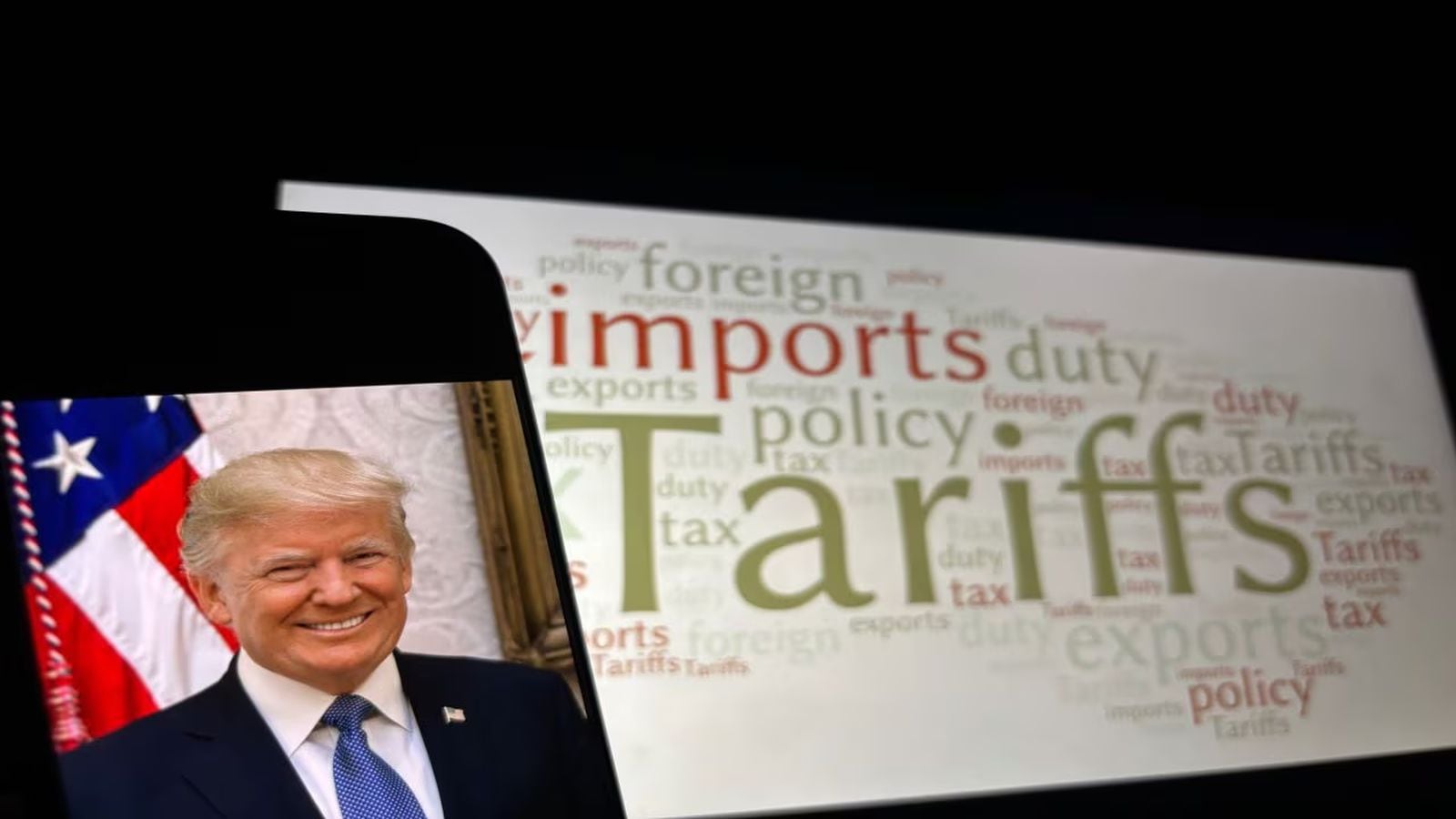
When national policy erected steep tariffs on foreign metal, the stated intention was straightforward: shield domestic smelters from predatory foreign pricing, guard American jobs, and rebuild a self-reliant industrial core. It sounded resolute on television. It made for clean political speeches.
Reality, as it turns out, is far messier than rhetoric.
The Untamed Math of Defense Metal
Aluminum is not just soda cans and foil. Modern military hardware relies on exotic, highly specific alloys—magnesium-infused, zinc-toughened materials designed to withstand extreme g-forces and thermal shocks.
While domestic smelters can produce vast quantities of standard commercial metal, the ultra-pure, high-spec aluminum required for fighter jet fuselages, radar housing, and tactical vehicles often came from international suppliers.
When broad tariffs dropped like a heavy hammer on metal imports, the cost of raw material spiked overnight. Defense contractors found themselves trapped in a bizarre economic vice:
- Skyrocketing Procurement Costs: Raw material expenses for defense manufacturing shot up by double-digit percentages almost immediately.
- Gridlocked Supply Chains: Importers struggled with tariff exemptions, paperwork backlogs, and retaliatory trade hurdles.
- Strained Military Budgets: Taxpayer dollars allocated for national defense were increasingly consumed by domestic trade penalties rather than hardware production.
A policy designed to protect national security ended up strangling the very factories responsible for building it.
The Quiet Turning Point
Policy shifts rarely happen with public fanfares. They happen in air-conditioned conference rooms where defense officials, economists, and trade representatives confront uncomfortable spreadsheets.
Washington quietly signaled a sharp recalibration. Facing prolonged backlog in defense manufacturing and escalating geopolitical friction globally, the administration moved to slash tariffs on crucial foreign aluminum imports tied to defense supply chains.
The logic shifted from punishment to practical survival.
When a defense contractor pays double for raw aluminum, two things happen. Either the military gets fewer aircraft and munitions for its budget, or the taxpayer absorbs the difference. Neither outcome improves national safety. By carving out targeted relief for military-grade metal, policymakers admitted a bitter truth: true security requires flexible, open arteries for critical resources.
What the Metal Teaches Us
Trade policy is often treated like a sports match, with clear winners and losers, protected industries and penalized rivals. Yet the defense supply chain exposes the flaw in that simplistic view. Modern manufacturing is deeply intertwined. No single nation holds a complete, unbroken chain of every specialized material required to maintain modern defense infrastructure.
Easing these tariffs isn't a defeat for domestic manufacturing. It is a necessary acknowledgment of interdependence.
Back on the factory floor, the cutter stops whirling. Frank clears away the shimmering shavings with a soft brush, inspecting the smooth silver curve of the finished part. The metal feels cool, heavy, and precise.
Outside the shop doors, political arguments about trade will continue to rage. But on the floor, where abstract economic policy meets hard metal, the objective remains unchanged: keep the machines turning, keep the supply lines open, and make sure the material arrives before time runs out.